 Chris Robert
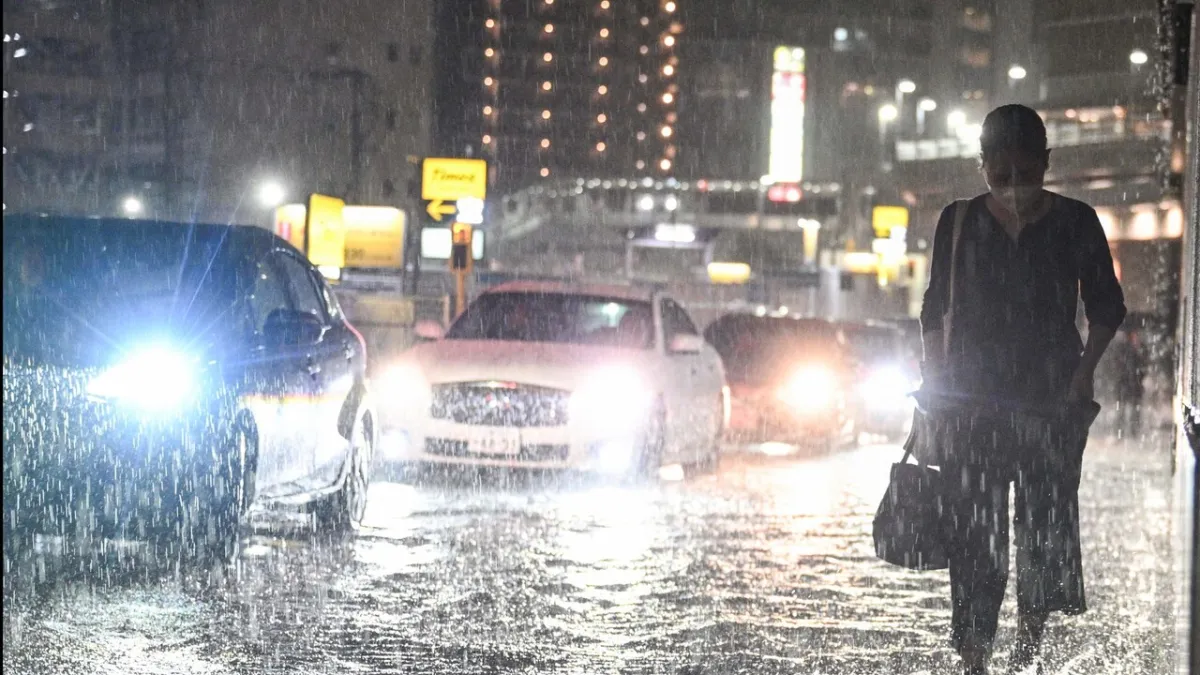
TOKYO – Torrential rains striking Tokyo, Japan, recently have caused severe flooding, killing at least eight people and forcing the evacuation of over 400,000 residents. The city's main airport is completely paralysed, indicating the massive impact of an extreme weather phenomenon that meteorologists are calling 'crazy climate'.
The densely populated capital of Japan finds itself submerged in floodwaters, with public transportation and vital infrastructure halted. This flood not only disrupts daily life but also highlights the vulnerability of modern urban areas to climate change.
Initial reports from local authorities confirm the death toll has reached eight, while rescue teams continue to search for other potential victims. A total of 400,000 individuals across various districts have been forced to leave their homes for temporary shelters provided by the government.
One of the most evident indicators of this chaos is the operational standstill at Tokyo's main international airport. Flights have been cancelled or delayed, stranding thousands of passengers and exacerbating the logistical situation amid the crisis.
Meteorological experts have expressed deep concern. 'This is a clear manifestation of a climate gone wild,' stated a spokesperson from the Japan Meteorological Agency, referring to the unusual intensity and prolonged duration of the rain. They warn that similar phenomena may become more frequent in the future.
The Japanese government has deployed all emergency resources, including the military, to assist with rescue efforts and aid distribution. The Prime Minister has issued an official statement, urging citizens to remain vigilant and follow evacuation instructions for collective safety.
Economical impacts from this disaster are expected to be significant. Many businesses have been forced to close, supply chains are disrupted, and property losses are estimated to be in the billions of yen. The reconstruction of infrastructure post-flood will be a major challenge for the national economy.
Although Japan is accustomed to the threat of natural disasters, the scale of this flood raises new concerns. Increasingly frequent extreme weather incidents, from typhoons to heatwaves, continue to be a harsh reminder of the global impacts of climate change.
This phenomenon in Tokyo aligns with global reports on the increasing frequency and intensity of extreme weather events. Climate scientists worldwide continue to sound alarms about the urgent need for mitigation and adaptation measures.
The people of Tokyo, known for their resilience, now face a severe test. The main focus has now shifted to recovery efforts, victim rehabilitation, and long-term planning to strengthen the city's infrastructure to be more resistant to future extreme weather threats.
Editorial Insight: The flood disaster in Tokyo is not just a local tragedy but a global reflection of the real threat of climate change. Prompt government response and public awareness are crucial, but fundamental solutions require more ambitious climate policies at national and international levels. This event must serve as a moment of reflection on the urgency of urban adaptation.