 Edward DP Situmorang
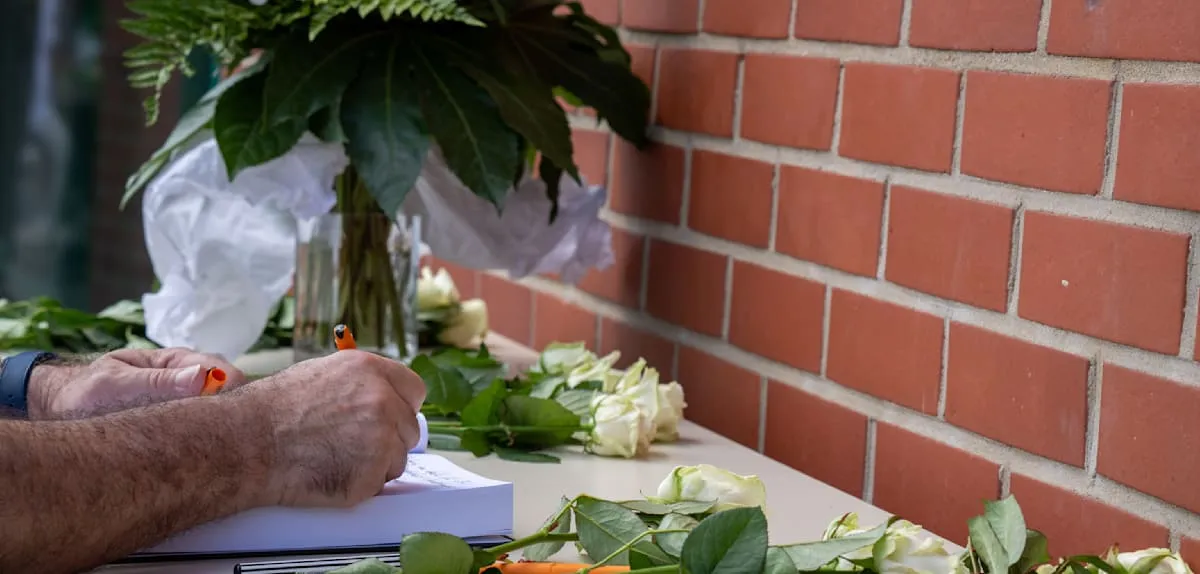
TRIER — A 22-year-old student named Marius was found dead after being brutally stabbed on a street in Trier, Germany, in 2026. This tragic incident, described by the police as a random attack by an Afghan national, has now sparked fervent calls from the victim's parents demanding accountability and fundamental justice from the state.
Authorities confirmed that the victim, Marius, was targeted in an incident with no clear personal motive, merely a terrible random act. This event has shattered the tranquility of Trier and reignited discussions about public safety in Germany.
Marius's family, overwhelmed by profound grief, released an emotional statement. 'We owe him justice,' Marius's parents declared, reflecting their sorrow and great hope in the legal and governmental systems. Their plea is not only for their son but also to prevent similar tragedies from occurring in the future.
The case quickly garnered widespread attention and amplified public concerns in Germany regarding security issues, particularly those related to immigrant integration. Although authorities often urge against generalization, this incident adds pressure to a long-standing debate.
Attention is also drawn to the political response. The stabbing tragedy of the student in Trier inevitably brings back the issue of 'German political silence' in responding to critical security crises. Responses perceived as slow or insufficiently firm by some parties often trigger waves of public disappointment, as previously discussed. For further context, the public can refer to the article Student Stabbed to Death, German Political Silence Under Scrutiny.
Fierce debates are raging across various social media platforms and discussion forums. Many citizens are expressing concerns over the increasing incidence of violence, especially involving individuals from migrant backgrounds. This situation places the government and law enforcement agencies under intense scrutiny.
Several similar incidents in the past, involving various forms of violence, have often fueled political controversies. This creates significant challenges for policymakers to reformulate national security strategies and meticulously review immigration policies.
The German federal government, still led by Chancellor Olaf Scholz in 2026, is expected to provide a strong and decisive response. However, maintaining the balance between human rights for all citizens and ensuring comprehensive public safety remains a complex dilemma requiring a multisectoral approach.
Currently, an intensive investigation is underway. The Trier police are working hard to collect every piece of evidence and lead to ensure transparent and fair law enforcement. The public awaits the results of the investigation with the hope that justice will truly be served impartially.
The long-term impact of this tragedy is expected to influence Germany's political landscape, especially leading up to upcoming regional elections. Domestic security issues could potentially become a central focus of campaigns, shifting priorities from other agendas.
The tragedy that befell Marius serves as a bitter reminder of the fragility of life and the urgency of creating a safer society for every individual. Marius's parents' plea for justice is not merely a personal lament but a resonance of the collective demand for a safer and more protected environment across Germany.