 Edward DP Situmorang
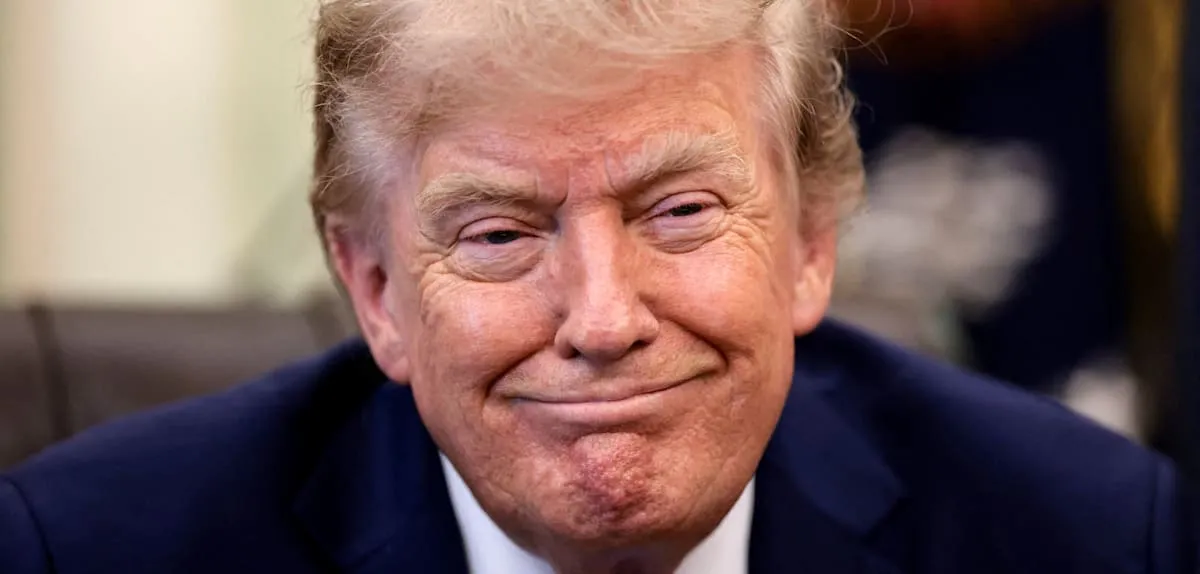
WASHINGTON, D.C. – Former U.S. President Donald Trump recently reiterated his view on Iran’s resilience in regional conflict, stating that the country “will not last long.” In the same statement, Trump provocatively claimed that the Strait of Hormuz is now “as good as open.” This declaration comes amidst his caution regarding a potential agreement concerning the strategic shipping lane, igniting intense debate about geopolitical stability in the Persian Gulf region and its implications for global energy markets in 2026.
Trump’s reaffirmation echoes previous rhetoric he often employed during his presidency, indicating consistency in his hawkish approach towards Tehran. The statement about Iran “not lasting long” potentially refers to the ongoing impact of economic sanctions and diplomatic pressure from the international community, despite Iran’s repeated demonstrations of resilience.
The Strait of Hormuz, a vital artery for global oil trade, is one of the most critical chokepoints on earth. Approximately one-third of all seaborne oil traded globally passes through this strait daily. Therefore, Trump’s claim that the strait is “open” carries significant geopolitical and economic weight.
His statement contrasts with the historical tensions often witnessed in these waters, where incidents of ship seizures and threats of closure have been part of the conflict dynamics between Iran and Western nations, particularly the United States. A declaration of “openness” from Trump can be interpreted as an attempt to allay fears of shipping disruptions, or as a firm message to Iran.
Nevertheless, the most striking aspect of Trump’s statement is what he did not explicitly say. His caution regarding a “possible agreement” in the Strait of Hormuz hints at underlying complexities. This could imply stalled negotiations, U.S. rejection of certain concessions, or even an indication that potential conflicts are far from a comprehensive diplomatic resolution.
The claim that Iran is on the verge of “collapse” has been a narrative repeated by a number of U.S. officials for years. However, the reality on the ground indicates that the Iranian regime, despite facing various internal and external challenges, has been able to maintain its power and influence in the region.
International geopolitical analysts highlight that such rhetoric, especially from an influential figure like former President Trump, can exacerbate tensions in the Persian Gulf. Uncertainty regarding the status of the Strait of Hormuz or the future of Iran can trigger volatility in commodity markets and increase the risk of military escalation in one of the world's most sensitive regions.
The economic implications of any disruption in the Strait of Hormuz are enormous. A drastic rise in oil prices would hit the global economy, which is still struggling to recover from various crises. Therefore, any assurance of a safe shipping lane is always welcome but needs careful verification.
In the context of 2026, Trump's statement can also be seen as part of his efforts to remain relevant on the American and global political stage. As a former president, his views still carry weight and can influence public opinion and the direction of U.S. foreign policy in the future, especially if he considers re-entering political contests.
The current U.S. administration and its allies will likely closely monitor the impact of this statement. While aggressive rhetoric from certain political figures can attract attention, actual foreign policy requires careful coordination and a deep understanding of complex regional dynamics.
Editorial Insight:
Former President Trump’s strong rhetoric regarding Iran and the Strait of Hormuz demonstrates a consistent pattern with his past “maximum pressure” approach. The statement that Iran “will not last long” is more of a political aspiration than a factual prediction, given Tehran's resilience to date. The lack of specifics regarding an “agreement” in the Strait of Hormuz and its “open” status warrants scrutiny; this could be an attempt to control the narrative or signal that the U.S. will not compromise. In 2026, this statement has the potential to escalate tensions and highlight differences in strategy towards Iran, both domestically within the U.S. and among its allies, without providing concrete solutions for long-term regional stability.