 Debby Wijaya
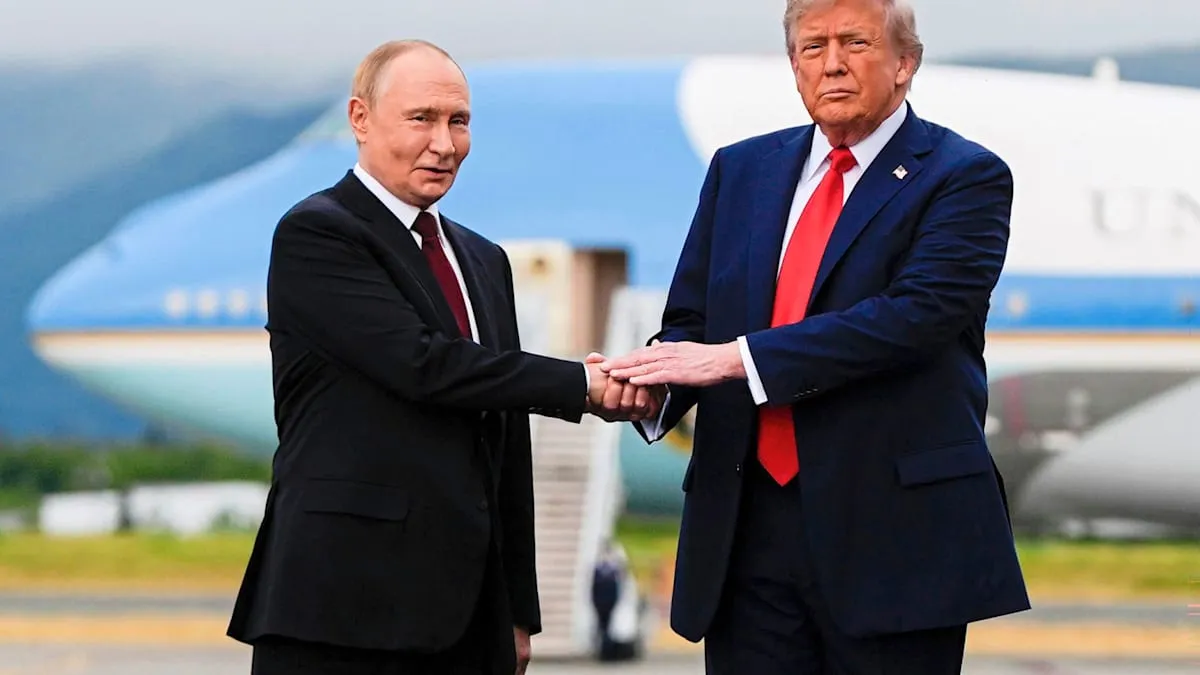
BRUSSELS – Marie-Agnes Strack-Zimmermann, Chairwoman of the European Union Defense Committee, has issued a sharp rebuke against United States President Donald Trump. Strack-Zimmermann explicitly accused Trump of engaging in a highly dangerous political game with the Kremlin, effectively sacrificing Ukraine's fate for specific interests. This alarming statement has triggered serious concerns among European leaders regarding the direction of U.S. policy amid escalating geopolitical conflict.
The American president eats out of his hand, remarked Strack-Zimmermann, referring to the Kremlin's strong influence over Trump's decisions concerning Ukraine. She asserted that the U.S. leader's stance suggests Trump is willing to walk over Ukrainian corpses for Moscow's political or strategic gain. This is not merely a diplomatic criticism but a stark warning about real dangers to Ukraine's sovereignty and the lives of its people.
These fears arise as Europe, particularly Germany, continues its efforts to maintain stability and support Ukraine. Various diplomatic initiatives and military aid continue to be intensified to counter Russian aggression. Strack-Zimmermann's statement underscores the potential for fissures within the Transatlantic alliance if Washington's policies diverge from European security interests.
President Trump's relationship with Russia, especially President Vladimir Putin, has consistently been under scrutiny. Since his previous term, he has often been accused of being too lenient towards Moscow or even having an ambiguous relationship with the Kremlin. The latest accusation from the EU Defense Committee reignites discussions about the motives behind the White House's foreign policy steps.
For Ukraine, such accusations are undoubtedly crucial. With the ongoing conflict with Russia, international support remains a cornerstone of the nation's survival. If one of its largest allies, the United States, is perceived as not fully committed or even accused of siding with the aggressor, it could weaken Ukraine's morale and negotiating position on the global stage.
As the chairwoman of the European Parliament's defense committee, Marie-Agnes Strack-Zimmermann is a figure of significant credibility and influence in shaping EU security policy. Her statements are not merely personal opinions but reflect the deep concerns felt by many policymakers across the continent.
Previously, Germany also faced threats of Russian escalation, as warned in various forums like Munich. Europe's energy and defense dependencies on global dynamics are central issues. In this context, U.S. policies perceived as ambiguous or beneficial to Russia could trigger a new wave of apprehension. (Read also: Germany Faces Threat of Russian Escalation: Munich Issues Stern Warning).
The implications of these accusations could extend to the structure of NATO. If the U.S. under Trump is no longer seen as a reliable partner in confronting Russian threats, other NATO member states may begin to re-evaluate their collective defense strategies and strengthen European strategic autonomy.
This is not the first time President Trump has been associated with policies potentially detrimental to Ukraine or beneficial to Russia. Even the U.S. Supreme Court has previously overturned several of Trump's controversial policies. (Read also: U.S. Supreme Court Overturns Trump Policy, Transgender Prisoner Rights Protected). Such patterns create an unfavorable precedent for international relations.
While Strack-Zimmermann originally mentioned two weeks before the midterms in her original context, her criticism remains relevant in the unfolding political context of 2026, where U.S. foreign policy will be a key focus leading up to the next mid-term elections or preparations for future presidential elections. Every step taken by Washington is now closely monitored by its allies.
Technology also plays a significant role in the Ukraine conflict. The issue of Musk limiting Starlink, which angered German politicians, highlights how non-state actors can influence the course of conflict. (Read also: Musk Limits Starlink in Ukraine, German Politicians Outraged!). This demonstrates the complexity of the challenges Europe faces in supporting Ukraine.
Editorial Insight: This accusation from Marie-Agnes Strack-Zimmermann is more than political rhetoric; it reflects Europe's deep unease regarding the consistency and commitment of the U.S. under Donald Trump's leadership in confronting Russian aggression. If the assumption that Trump eats out of the Kremlin's hand proves true, it has the potential to reshape the Western alliance order and place Ukraine in an even more vulnerable position. Regional and global stability heavily rely on the solidity of international support, and any sign of hesitation from a major power like the U.S. will have significant long-term consequences.