 Edward DP Situmorang
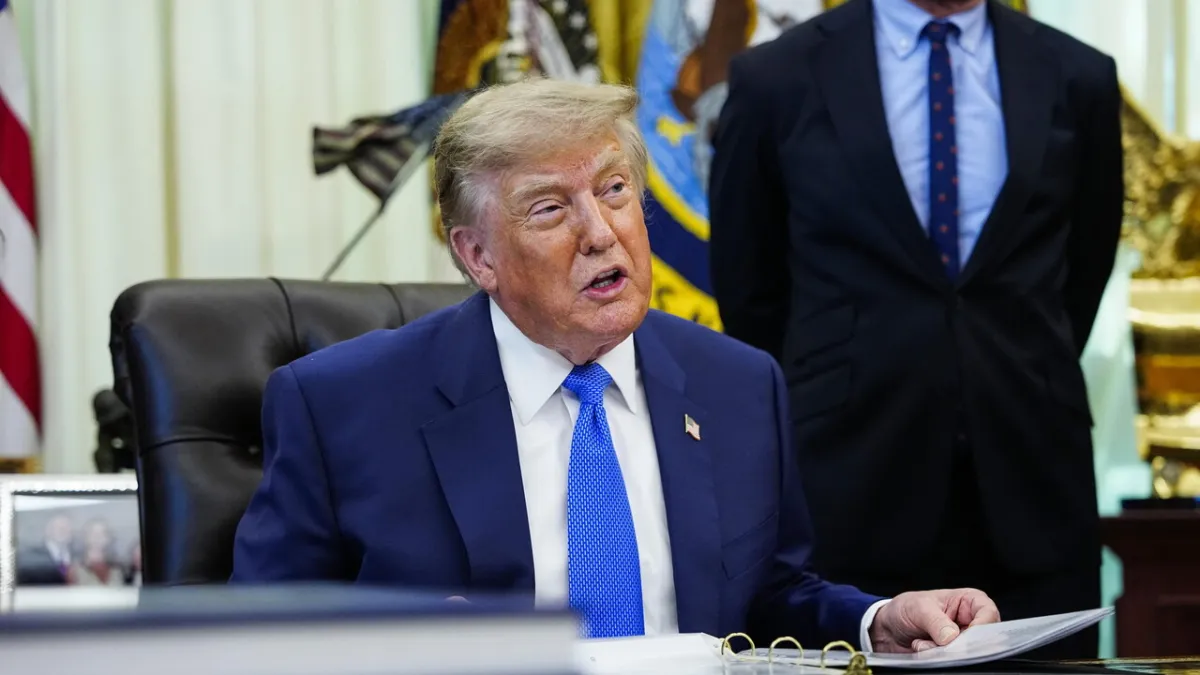
WASHINGTON, D.C. – President Donald Trump recently issued a crucial directive effectively authorizing United States companies to launch cyberattacks against hacker entities. This policy, announced in Washington, D.C., in early 2026, marks a significant shift in national cybersecurity strategy, aligning the US approach with practices long associated with countries like China and Russia.
This move signals a drastic evolution from a purely defensive posture to a more proactive and aggressive strategy in confronting digital threats. The US government asserts that this policy is necessary to protect vital infrastructure and national interests from increasingly sophisticated and damaging cyberattacks originating from both state and non-state actors.
Global cyber threats continue to escalate, with hacking incidents targeting government, finance, and defense sectors becoming regular news. Previously perceived passive responses were deemed insufficient to tackle the scale and complexity of these attacks.
Analyzing this move, many observers note that the United States is now explicitly adopting tactics long employed by other major cyber powers. China and Russia are known for their robust offensive cyber capabilities, often involving private entities or state affiliates in their operations.
This new policy allows private companies, often at the forefront of technological innovation and possessing deep understanding of the cyber threat landscape, to not only defend but also retaliate. However, its implementation undoubtedly raises fundamental questions regarding accountability and ethics.
A prominent cybersecurity expert from Stanford University, Professor Anya Sharma, stated, 'This step is radical, but necessary to face asymmetric threats in cyberspace. The challenge is ensuring these retaliatory actions are proportionate and do not lead to uncontrolled escalation.'
Potential benefits of this policy include improved early detection capabilities, faster responses to ongoing attacks, and a significant deterrent effect on hackers. With offensive authority granted, it is hoped that cybercriminals will think twice before targeting United States assets.
However, the accompanying risks are equally substantial. Concerns arise regarding the potential for misidentification of targets, unintended collateral damage, or even triggering broader cyber conflicts. Clear boundaries and rules of engagement are crucial to avoid undesirable consequences.
Internationally, this policy has the potential to spark fierce debate and possibly alter global cyber warfare norms. Other nations might see this as a precedent to allow their companies to do likewise, opening the door to fragmentation and militarization of cyberspace.
Domestically, this decision sparks debate about the extent to which the government can delegate national offensive power to private entities. Questions concerning oversight, legal responsibility, and the potential for corporate abuse of power become a focal point. Issues of citizen digital privacy, as touched upon in debates surrounding intelligence reforms in Germany, are also relevant in this context.
The cybersecurity industry in the United States is expected to experience significant growth due to this policy. Companies will invest more in offensive capabilities, attracting top talent to develop advanced tools and counter-attack strategies.
This new policy represents a major gamble by the Trump administration. It reflects a belief that, in the cyber domain, the best defense is a good offense, and that the private sector must be a full partner in the war against digital threats.
Editorial Insight: President Trump's decision to authorize cyberattacks by US companies is a bold move that reshapes the cybersecurity paradigm. While potentially strengthening national defense and deterring hackers, this policy carries risks of escalating cyber conflicts and complexities in terms of accountability and oversight. The future will tell whether this step creates effective deterrence or instead opens a Pandora's box of more dangerous global cyber rivalry, forcing a redefinition of international norms in the digital world.