 Edward DP Situmorang
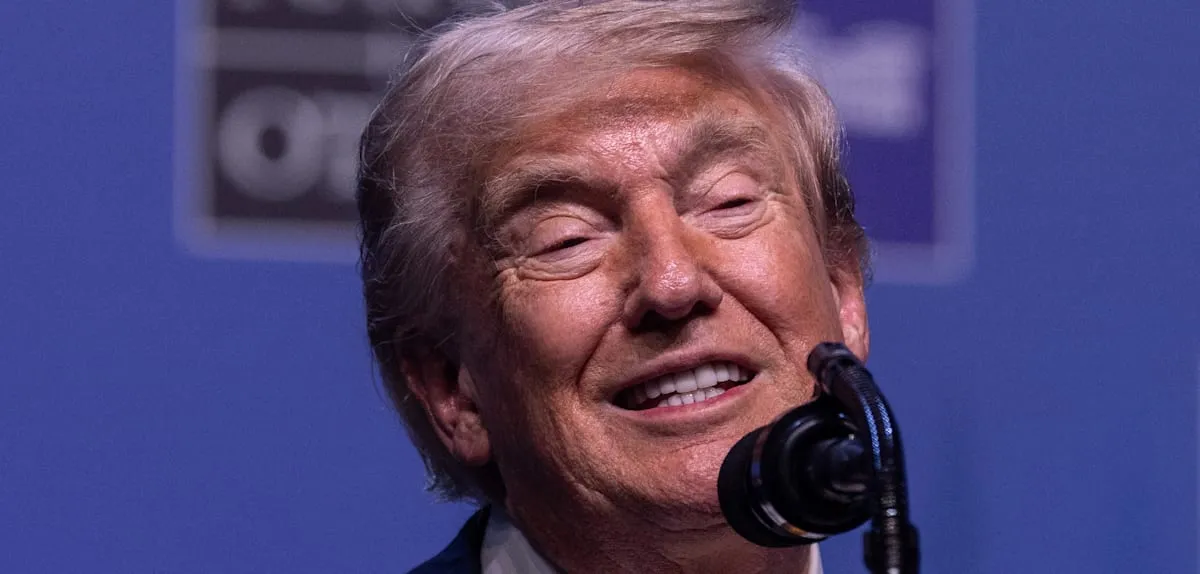
BRUSSELS — United States President Donald Trump surprisingly reversed his threat to halt trade relations with Spain immediately after the conclusion of the NATO Summit. The statement, made during his flight home, raised questions after his firm stance against Madrid at the NATO Summit, as he now praised Spain's "impressive comeback," hinting at a "mysterious payment" as the basis for this sudden change of heart.
This event unfolded following the recently concluded NATO Summit, where transatlantic relations once again garnered sharp attention. Trump's abrupt announcement regarding a potential cessation of trade relations with Spain had created significant tension among member states, fueling concerns about the stability of the alliance and the global economy.
Previously, amidst the flurry of the NATO forum, President Trump was known for his rhetoric that often challenged traditional US allies. Spain, along with several other European nations, had been a target of his harsh criticism regarding defense contributions and trade policies, culminating in serious threats to cease bilateral trade.
However, during his return flight on Air Force One, President Trump's tone shifted dramatically. He informed reporters that Spain had demonstrated an "impressive comeback," without providing concrete details about what he meant by "comeback." This statement immediately triggered widespread speculation in international circles.
A crucial point that raised significant questions was Trump's reference to a "mysterious payment." This phrase was delivered without further explanation, leaving the public and political analysts with various interpretations. Does this payment relate to NATO defense obligations, which Trump has consistently highlighted, or is it a secret trade agreement that has been forged?
This drastic shift in White House rhetoric undoubtedly carries significant diplomatic implications. Not only for US-Spain relations but also for the overall dynamics of transatlantic ties. This situation underscores the unpredictable pattern in the Trump administration's diplomacy.
Other European allies, who have become accustomed to President Trump's political maneuvers, will likely monitor this situation closely. This incident has the potential to affect trust in the United States' commitment and consistency in foreign policy, especially in the context of NATO's stability. A related article titled "Expert Analysis: Trump's Political Direction Away from Europe, NATO Shaken 2026?" previously discussed similar concerns.
From an economic perspective, the threat of halting trade would certainly have serious repercussions for both parties. Spain, as one of the economic powers in the European Union, maintains strong trade ties with the United States. The reversibility of this threat, while positive, still leaves an element of uncertainty.
International relations and economic experts are now racing to analyze the meaning behind this "mysterious payment." Some suspect it is a fulfillment of defense contribution targets that Trump has consistently demanded from NATO members. Others hypothesize a strategic economic concession that has not been publicly announced.
As of this report, there has been no official statement from the Spanish government regarding the incident or the "mysterious payment" mentioned by President Trump. This silence adds to the enigma behind Washington's dramatic change of heart.
The future of US-Spain bilateral relations, as well as US relations with the NATO alliance, will continue to be a global concern. This unpredictable communication pattern highlights the challenges facing modern diplomacy, particularly in dealing with leaders who often practice "megaphone diplomacy." This incident also resembles events reported in the article "Trump Shakes Allies, Then Claims NATO Solid: Rome Back 'Good'", indicating a similar pattern.