 Debby Wijaya
WASHINGTON – Geopolitical tensions between Iran and the United States escalated again in early 2026 after Tehran explicitly rejected overtures for negotiations from President Donald Trump's administration. This refusal further complicates the global diplomatic landscape, coinciding with serious reports from the Pentagon highlighting a potential ammunition supply crisis that could threaten worldwide military readiness.
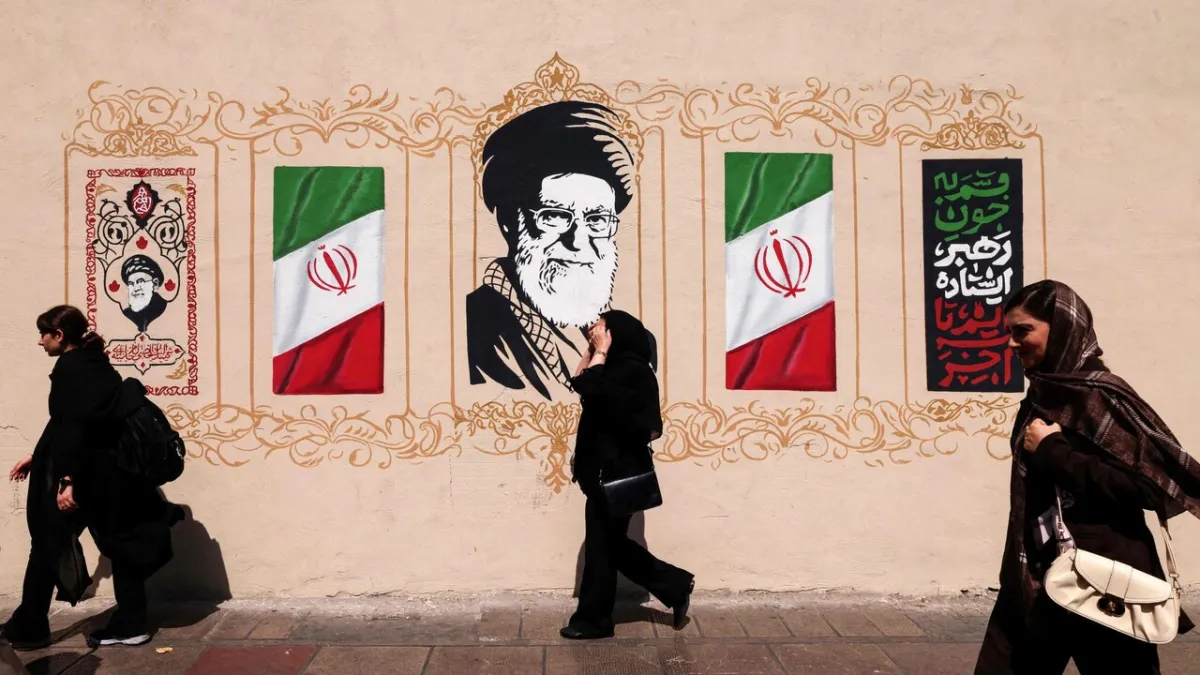
Iran's Ministry of Foreign Affairs spokesperson, during a press conference in Tehran, asserted that there was no reason to engage in dialogue with Washington as long as economic sanctions remained in place and what it deemed 'disrespectful' policies continued. Iran stated that past experiences demonstrated the United States' lack of seriousness regarding international agreement commitments, referencing Washington's withdrawal from previous nuclear deals.
Iran's firm stance is not new. Since Donald Trump returned to office as President of the United States, rhetoric between the two nations has again hardened. President Trump, who once expressed openness to dialogue without certain preconditions, now faces a solid wall of rejection from the Islamic Republic.
The situation in the Middle East is becoming increasingly complex with various regional conflicts still raging. Iran's refusal to negotiate with the US could potentially trigger further escalation, affecting stability in the Gulf region and beyond. This analysis aligns with the views of several international observers who believe that dialogue is the only way to de-escalate tensions.
Alongside this diplomatic impasse, the Pentagon issued a warning regarding a deep and potentially global ammunition shortage. A newly released intelligence report indicates that ammunition stockpiles in various NATO allied countries, and even in the United States itself, are at alarming levels. This shortage is driven by increased demand due to ongoing conflicts in several regions, as well as slow production rates.
A senior official at the US Department of Defense, speaking anonymously, revealed that we are seeing a very worrying trend. The rate of ammunition consumption far exceeds global production capacity, and this creates significant strategic vulnerabilities. The official added that this crisis is not just an issue for the United States, but also for the collective security of its allies.
The Pentagon's concerns arise amidst urgent needs to maintain combat readiness across various theaters of operation. From Eastern Europe to the Pacific, the demand for high-caliber ammunition, precision missiles, and artillery shells continues to rise. The inability of the defense industry to meet this demand could potentially weaken the defense capabilities of both developed and developing nations.
President Trump's administration faces a dual pressure: managing strained relations with Iran while finding quick solutions to ammunition supply issues. The priority of US foreign policy will heavily depend on how Washington balances these two crucial challenges.
This ammunition crisis is also a serious concern for global defense organizations like NATO. Members of this military alliance are now re-evaluating their production capacities and seeking ways to accelerate supply chains. Related articles such as NATO Intercepts Mysterious Drone Over Lithuania: European Tensions Rise, underscore the urgency of increasing military readiness amid uncertain global situations.
Defense experts from leading think tanks in Washington suggest that the US government consider diversifying supply sources and making substantial investments in domestic production capabilities. This is not merely a logistical problem but a long-term national security issue requiring a comprehensive approach.
The Pentagon's report effectively refutes claims that might be put forth by some parties regarding the abundance of US military resources. The reality of ammunition shortages serves as a stark wake-up call to the narrative of military dominance and demands a review of defense strategies. This is a crucial moment requiring a swift and coordinated response from all global actors interested in maintaining peace and stability.
Editorial Insight:
This situation highlights the fragility of the global security system. Iran's refusal to engage in dialogue with the United States, coupled with the Pentagon's warning about ammunition shortages, creates a perfect storm that could disrupt the balance of power. Without open channels of communication and adequate military supplies, the risk of miscalculation and conflict escalation will dramatically increase. World leaders must seriously consider the long-term implications of these two issues and seek innovative diplomatic and industrial solutions.