 Dodi Irawan
WASHINGTON DC – United States President Donald Trump has emphatically rejected a proposed seven-day ceasefire with Iran, a move that immediately triggered speculation about potential military escalation in the Persian Gulf region. This rejection was announced amid the United States' preparations for crucial midterm elections.
This surprising decision follows reports of a temporary peace offer from Tehran. However, Trump, known for his tough diplomatic style, instead demonstrated an uncompromising stance, indicating the possibility of new strikes against Iran after the midterm election results are announced.
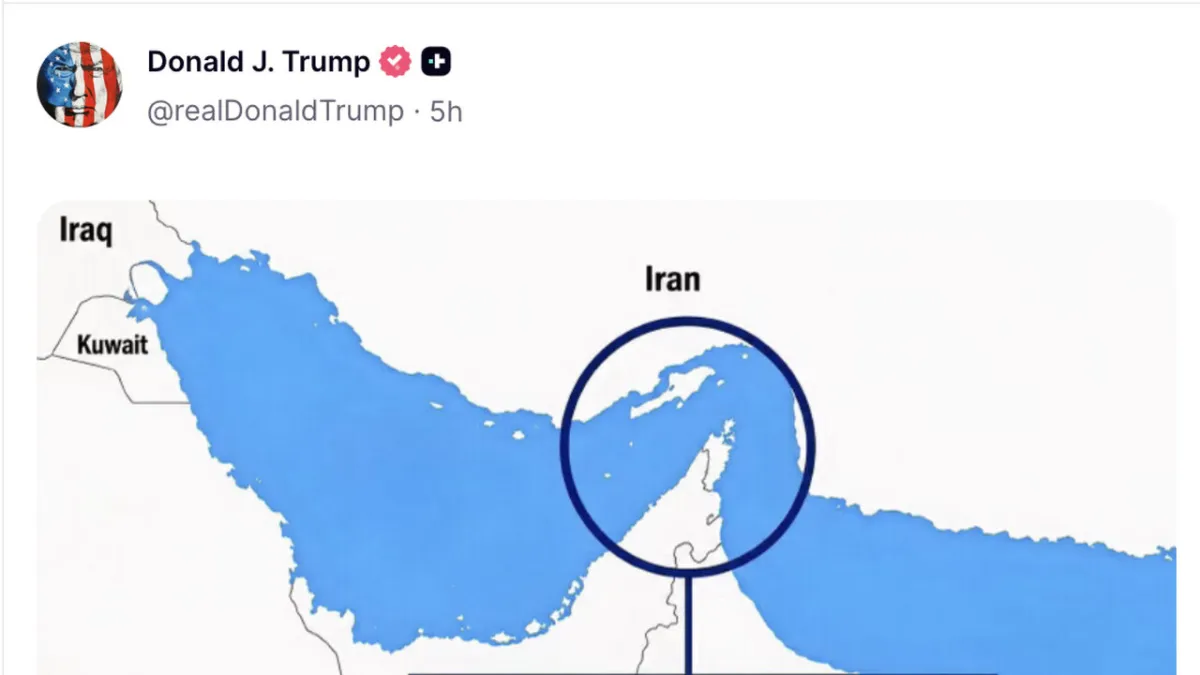
As a point of emphasis, President Trump posted a map of the Strait of Hormuz that had been 'renamed' with his own name. This symbolic act not only showcased his assertiveness but also sent a provocative message to Tehran and the international community regarding US control and claims over this strategic maritime choke point.
The Strait of Hormuz, which connects the Persian Gulf to the Arabian Sea, is a vital channel for a significant portion of the world's oil supply. Any tension or disruption in this strait has the potential to shake global energy markets and lead to widespread economic consequences.
This ceasefire rejection fundamentally alters the already tense dynamic between Washington and Tehran. Iran, which has long accused the United States of intervention, now faces the prospect of greater military pressure.
Political and military analysts view Trump's decision as part of the 'maximum pressure' strategy he has pursued since retaking office. The objective is to compel Iran back to the negotiating table on terms more favorable to the United States.
Behind this harsh rhetoric and symbolic action lie equally important domestic political considerations. Midterm elections in the United States often serve as a referendum on presidential leadership, and a firm stance against Iran could be a strong point for Trump's core voter base.
Previously, intense discussions had emerged regarding the future of US-Iran relations, including the possibility of dialogue. However, Trump's rejection appears to close the door on immediate diplomatic efforts, at least until after the elections.
Geopolitical experts warn that this move could increase the risk of miscalculation by both sides. A region already fragile due to various conflicts, such as Yemen and Iraq, is now threatened by greater uncertainty.
Several members of the US Congress have expressed concern over the potential for military confrontation. Democratic senators, for instance, urged a more cautious and diplomatic approach to avoid a costly and prolonged open conflict.
On the other hand, US allies in the region, such as Saudi Arabia and Israel, are likely to welcome Trump's firm stance on Iran. They view Iran as a primary threat to regional stability and support pressure against Tehran.
Comments from Iran's Ministry of Foreign Affairs have not yet been officially released, but Iranian state media has begun to indicate an impending response. An atmosphere of tension now envelops the Iranian capital, Tehran, as it awaits Washington's next move.
This situation will also put significant pressure on global oil markets. Crude oil prices are likely to fluctuate as geopolitical uncertainty increases in the heart of the world's energy production.
Reviewing our archived data, such situations are not new. Conflicts and tensions between the United States and Iran have occurred repeatedly. To understand the broader context, you can read our article on Trump Rejects Iran's Offer, New Attacks Loom After Midterm Elections.
Editorial Insight: President Trump's decision to reject a ceasefire with Iran, particularly ahead of midterm elections, is a high-stakes political calculation. This is not merely about foreign policy, but also an attempt to galvanize domestic support. The potential for military escalation in the Strait of Hormuz carries serious implications for global stability and the economy, reminding us that the dynamics of national leadership can have ripples far beyond national borders.