 Dorry Archiles
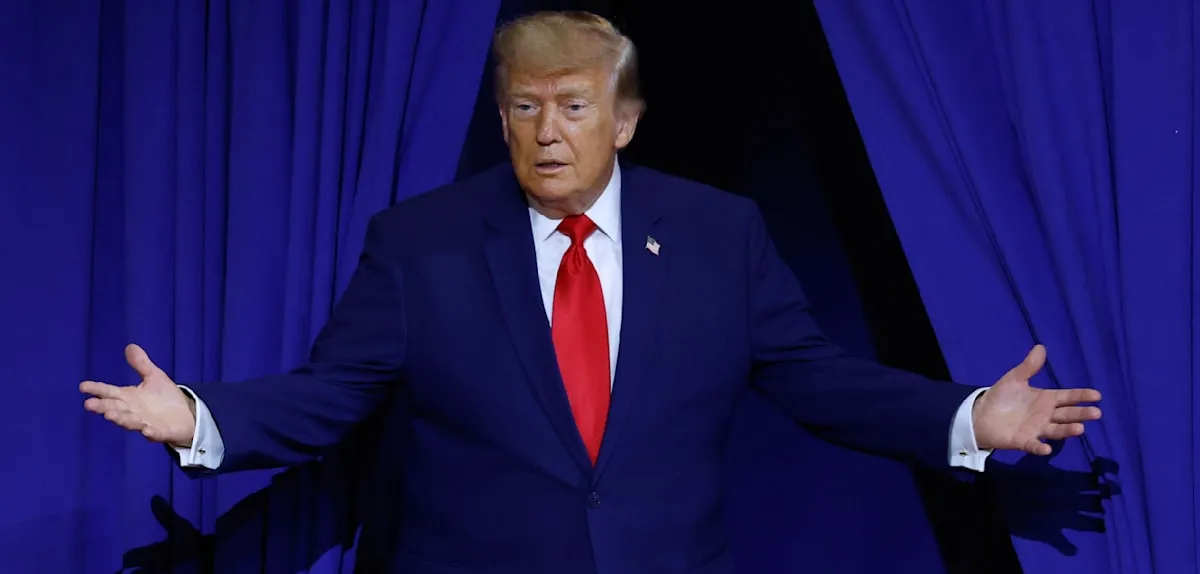
WASHINGTON DC — President Donald Trump once again found himself under intense scrutiny after launching a comprehensive verbal assault on the press during a recently rescheduled correspondents’ dinner. The event, which was supposed to be an occasion for reconciliation, instead transformed into a platform for provocative rhetoric, where Trump not only insulted numerous journalists with remarks deemed misogynistic but also surprisingly announced his intention to run for president a fourth time and issued threats of new tariffs against the European Union.
This incident occurred amid heated speculation regarding Trump's political future following his return to power. His appearance before the capital's elite journalists underscored his consistent antagonistic stance towards the media, a hallmark that has been present throughout his political career. Reporter Alina Quast, who attended the event, described it as “an all-out attack” that left no doubt about the president's intentions.
Criticism targeting female journalists was the most prominent part of Trump's attack. His statements, laden with misogynistic elements, triggered a wave of condemnation from various parties, including press freedom organizations and politicians across the spectrum. They highlighted the danger of deepening polarization and the erosion of credible journalistic ethics.
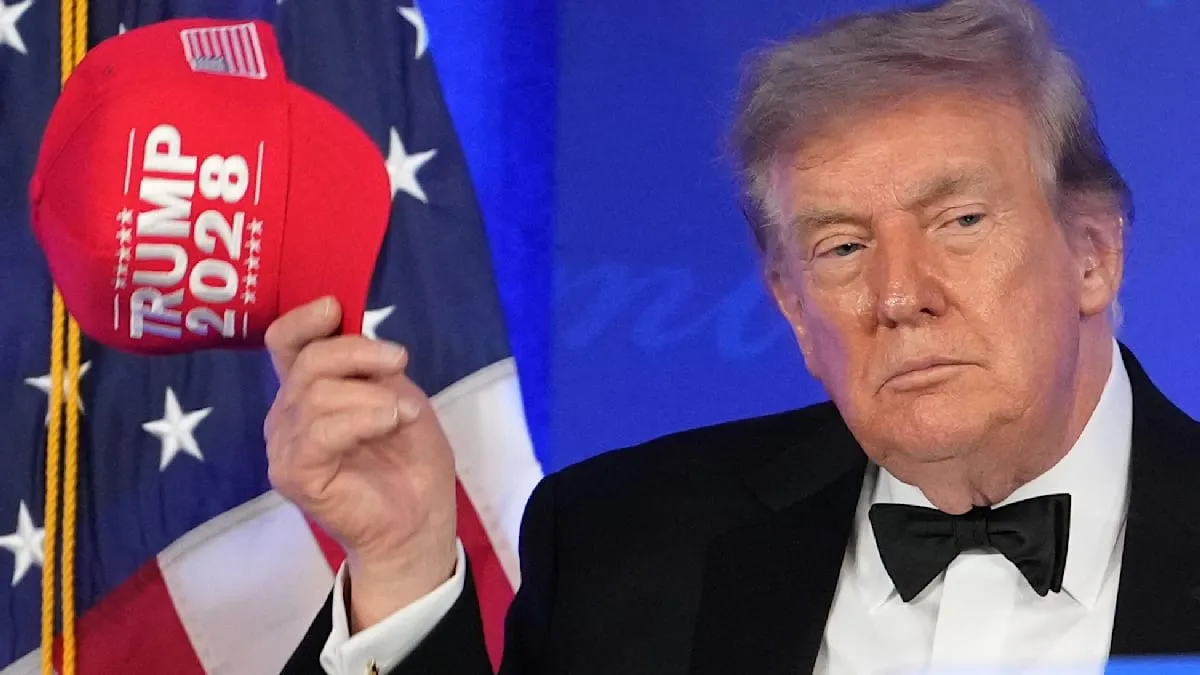
Beyond mere condemnation, Trump's speech was also rich with substantial political implications. The sudden announcement of a planned fourth candidacy, though not yet final, immediately sparked intense discussions among political observers. This move signals the potential continuity of his political ambitions, pointing to the strengthening signal of the 2028 presidential election.
This statement about a fourth presidential candidacy comes after a tumultuous period in US politics, reinforcing that Trump's presence on the national stage remains a dominant and undeniable factor. It also raises questions about the internal dynamics of the Republican Party and potential challenges from other figures who might vie for the party's nomination.
Not stopping at domestic issues, President Trump also expanded the scope of his attacks into the international arena by threatening to impose significant new tariffs on the European Union. This threat indicates a potential escalation of trade tensions between the United States and the world's largest economic bloc, a step that could trigger a trade war and have widespread impacts on the global economy.
These tariff threats are not new from Trump. During his previous leadership, protectionist policies often served as his primary instrument in trade negotiations. This time, his rhetoric emerges amidst global economic uncertainty and countries' efforts to recover from various challenges. This situation recalls Washington's activation of Trump's tariffs, shaking 60 countries with a 12.5 percent levy.
Reactions from the European Union are expected to emerge swiftly. European leaders will likely evaluate the implications of this threat and prepare strategic responses to protect their economic interests. Such an escalation has the potential to damage long-standing transatlantic relations.
Overall, Trump's appearance at the correspondents' dinner was a demonstration of his power and determination to remain a central actor in the political landscape, both domestically and internationally. The combination of attacks on the media, presidential election ambitions, and global economic threats makes him a primary focus, ensuring his name will continue to dominate headlines.
Further analysis of this incident reveals Trump's consistent pattern of using confrontational rhetoric to mobilize his support base and pressure opponents. This strategy has proven effective throughout his career and appears set to remain an integral part of his approach ahead of the potential next presidential election. The impact of Trump's revenge mode will continue to be observed by the world.