 Demian Sahputra
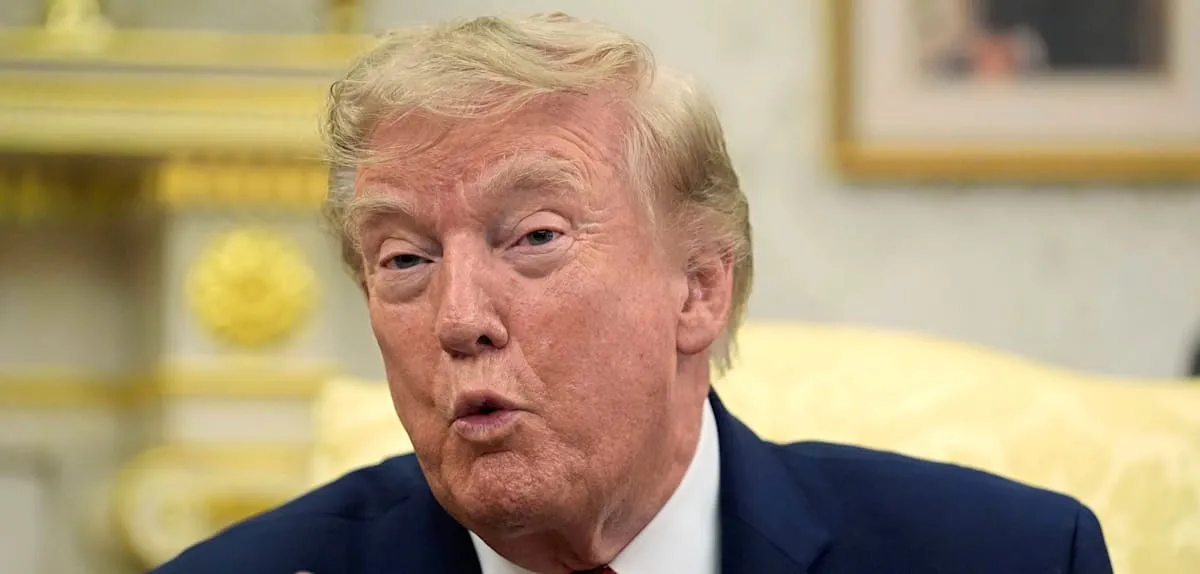
WASHINGTON D.C. – President Donald Trump's approval rating has plummeted to its lowest point since December 2017, triggering a wave of profound concern among US citizens regarding the prospect of a prolonged war in the Middle East, particularly with Iran. A recent poll reveals a pessimistic public sentiment towards a quick resolution of the escalating regional conflict.
This significant drop in President Trump's popularity occurs amidst a challenging period in his presidency, reflecting public response to domestic policies and, more dominantly, the direction of US foreign policy on the global stage. This approval figure serves as a crucial indicator for America's future political landscape.
A majority of survey respondents expressed serious concerns that the conflict in the Middle East will not end quickly. Speculation regarding the escalation of tensions between the United States and Iran is a primary source of anxiety, with many forecasting potential widespread consequences for regional and global stability.
The geopolitical situation in the Middle East is indeed volatile. Incidents in the Strait of Hormuz, Iran's nuclear activities, and other regional power dynamics continue to create uncertainty. The American public appears increasingly sensitive to the potential impacts of policies perceived to provoke conflict escalation in the area.
This public dissatisfaction is more than just a statistical figure. It reflects real apprehension about the economic, social, and human costs that might arise from US involvement in large-scale armed conflicts. The perspective on national stability and citizen security is a central focus of this expression of distrust.
For President Trump, this declining approval rating is a significant political alarm. It could impact his ability to push legislative agendas in Congress and potentially become a serious impediment heading into future political contests. Public pressure will compel his administration to re-evaluate its diplomatic and military strategies.
While the current figures are recorded as the lowest since December 2017, it is important to remember that that period marked the beginning of his first term. This decline now occurs during his current term, underscoring that patterns of public dissatisfaction can recur and even deepen in subsequent periods when expectations of leadership are higher.
US foreign policy, especially concerning Iran, has always been a sensitive topic. Negative public response to the prospect of war indicates that US citizens desire a more cautious and diplomatic approach. This places a significant burden on the foreign policy team to formulate strategies that assuage domestic concerns.
This plunge in popularity also affects internal dynamics in Washington. Opposition parties will seize this momentum to criticize the Trump administration, while his political allies will strive to defend the president's policy legitimacy. The political landscape will become increasingly polarized as national anxieties mount.
Issues surrounding Middle East tensions have frequently been in the spotlight. Previously, it was reported that Trump Warned Israel About Gaza, Iran Threatened Hormuz Uproar, highlighting the ongoing regional complexity and sensitivity.
Editorial Insight: The sharp decline in President Donald Trump's popularity is not merely a statistic but a reflection of deep public anxiety in the US regarding the prospect of Middle East conflict. The community's desire to avoid a prolonged war is a strong signal for the government to re-evaluate aggressive approaches. If these concerns continue to grow, US domestic political stability could be threatened, and this will be a significant test for Trump's leadership in the years ahead.