 Angel Doris
Ankara — The NATO Summit in Ankara in 2026 became a sharp focal point after the undeniable dominance of former US President Donald Trump, sparking concern and criticism. NATO Secretary-General Mark Rütte was even labeled the "loser of the day" by WELT foreign policy editor Lara Jäkel, indicating that Trump's influence remains highly superior in determining the direction of the defense alliance. This event illustrates how the personal power of a leader can shift the collective agenda, especially at a crucial moment for Europe's future.
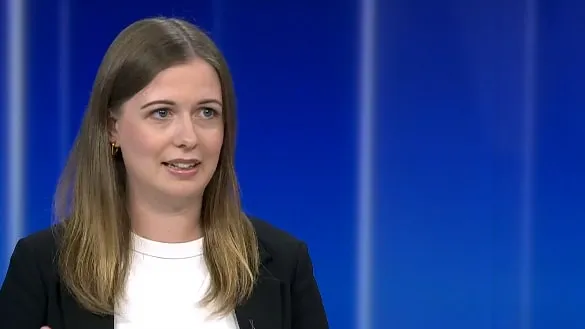
Lara Jäkel, in her analysis, highlighted how all attention was drawn to Trump's actions and mood. "Everyone is actually only looking at what Trump is doing and how he is today – and Rütte plays along with this game," Jäkel stated, as quoted by WELT, underscoring the seemingly highly asymmetric diplomatic condition.
The Ankara Summit was supposed to be a forum for member states to strengthen commitments, formulate collective defense strategies, and respond to global geopolitical challenges, including Europe's continuously volatile security issues. However, the internal dynamics were dictated by one central figure.
The phenomenon of Trump's dominance on the international stage is not new. Previously, he has repeatedly shaken NATO with controversial statements. The related article "Trump Shakes NATO: Europe Threatened If Ankara 2026 Warnings Ignored" describes the threats he conveyed, while "Trump Praises Warm NATO Unity 2026: 'Tremendous Love in This Room!'" shows his fluctuating rhetoric. This further clarifies the pattern that Trump can control the narrative as he wishes.
The position of Secretary-General Mark Rütte, who was expected to be a counterweight and representative of the alliance's consensus, instead appeared to be weakened by Trump's charisma and influence. His role as NATO's primary spokesperson seemed reduced to that of a passive observer.
This situation raises serious questions about the effectiveness of NATO's collective leadership and the future of the alliance in confronting external and internal pressures. Dependence on one individual can undermine the fundamental principles of multilateralism that form NATO's foundation.
Similar concerns arose previously when Trump implied he could withdraw US support from member states deemed to contribute less. Issues such as defense funding and burden-sharing have always been points of friction, but now they are exacerbated by Trump's persona.
The reaction of the German media, as expressed by Lara Jäkel, reflects frustration with the unfolding dynamics. International public perception will likely also view NATO as an organization vulnerable to personal intervention from its strongest member state.
NATO member states, particularly in Europe, may feel pressure to align with Trump's agenda to maintain stable relations with the United States, even if it means sacrificing independence in decision-making.
The Ankara 2026 Summit, which should have demonstrated NATO's unity and strength, instead became a stage for an undeniable display of Trump's influence. This presents a major challenge for Mark Rütte and all alliance members to rediscover leadership balance and reaffirm their common goals amidst an increasingly complex geopolitical landscape.