 Dorry Archiles
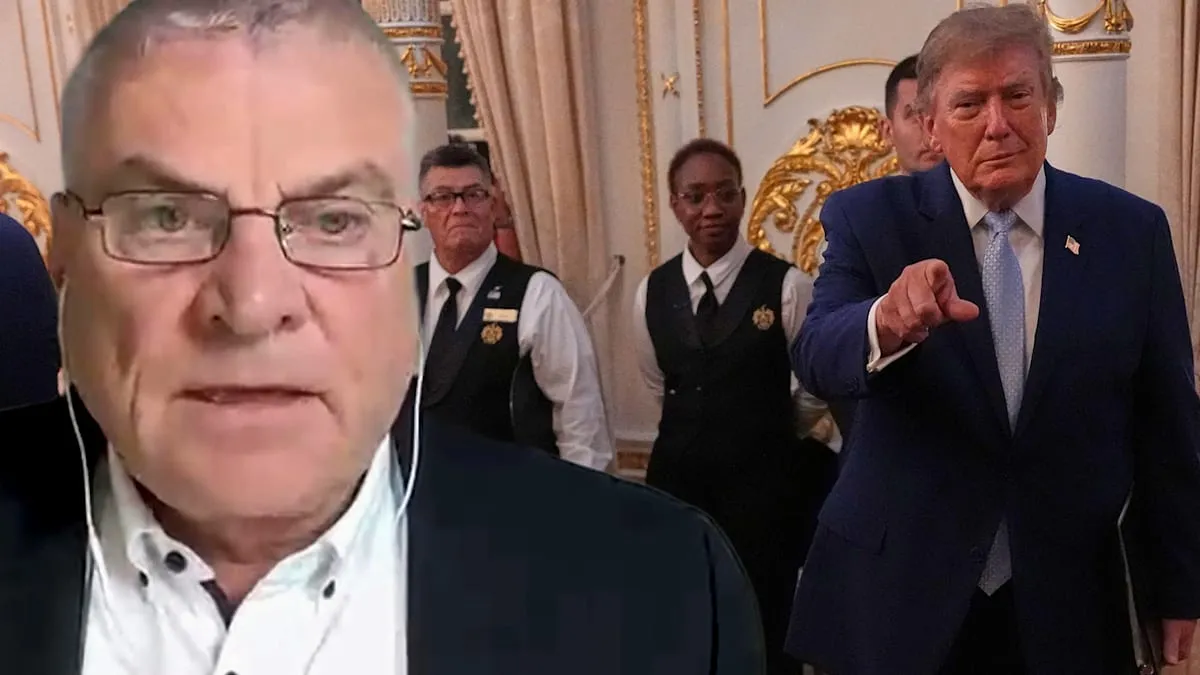
WASHINGTON – United States President Donald Trump has made a surprising move by suspending the implementation of intensified sanctions against Russia. This policy immediately sparked global concern, especially amidst potential restrictions on crucial Starshield services vital for Ukraine's defense. Reinhard Wolski, a leading security expert, firmly warned of the serious consequences of this step, urging Europe to take strategic action.
Trump's decision to defer sanctions against Moscow, previously designed to exert further economic pressure, is now seen as a significant advantage for Russia. Wolski's analysis suggests that this decision has the potential to substantially strengthen President Vladimir Putin's geopolitical position on the international stage. This creates a paradox where Washington's policy provides more room for its adversary.
Beyond the sanction suspension, the issue of restricting Ukraine's access to Starshield satellite services is also under sharp scrutiny. Starshield, a vital communication system, has played a fundamental role in Ukraine's ability to coordinate and counter Russian aggression. Limiting this access would undoubtedly cripple one of Kyiv's tactical advantages.
Wolski emphasized that the impact of this policy would be highly detrimental to Ukraine, which is fighting on the front lines of the conflict. The suspension of sanctions and the potential restrictions on strategic technology directly benefit Russia and weaken Ukraine's defense capabilities, Wolski stated, highlighting the urgency of the situation.
This situation is further complicated by the significant influence of US technology companies on foreign policy. Wolski specifically noted how giant tech corporations can influence strategic government decisions, creating new dynamics in the global conflict arena.
Europe, according to Wolski, cannot afford to remain passive. It must immediately formulate and implement independent strategies to safeguard its own stability and security. Relying on the singular policy of one superpower has proven to carry undeniable risks.
President Trump's decision is not the first to spark fierce debate about the direction of US foreign policy. Throughout his leadership, Trump has been known for his pragmatic and sometimes controversial approach, often dramatically changing the dynamics of international relations. A previous article, Donald Trump Suspends Russia Tariffs: New Geopolitical Turmoil for US Foreign Policy, discussed similar unrest.
The long-term implications of Starshield restrictions on Ukraine, as previously proposed, are a major concern. Information from the article Revealed: Musk Proposed Starshield Restrictions in Ukraine to Trump, indicates that such proposals have been part of high-level discussions.
For Kyiv, any reduction in US support, whether in economic sanctions or technological aid, would be a severe blow. President Volodymyr Zelenskyy had previously warned of a potential wave of refugees into Europe if aid was cut, and requested financial support from the European Union, as covered in Trump Cuts Kyiv Aid, Zelensky Asks EU for 70 Billion Euros.
Amidst this situation, the European Union faces a true test to prove its capacity as an independent geopolitical actor. They need to strengthen collective defense, invest in autonomous technology, and develop a cohesive foreign policy, not merely react to other nations' decisions.
Editorial Insight:
This latest policy from the Trump administration, effectively easing pressure on Russia and potentially limiting Ukraine's capabilities, creates a significant shift in the global balance of power. This is more than just a tactical adjustment; it is a strong signal for Europe to no longer hinge its collective security solely on external promises. The challenge for Europe now is to build robust strategic autonomy, both in defense and foreign policy, to maintain regional stability in the long term. Failure to act now could leave the continent vulnerable to ongoing geopolitical ambitions.