 Angela Stefani
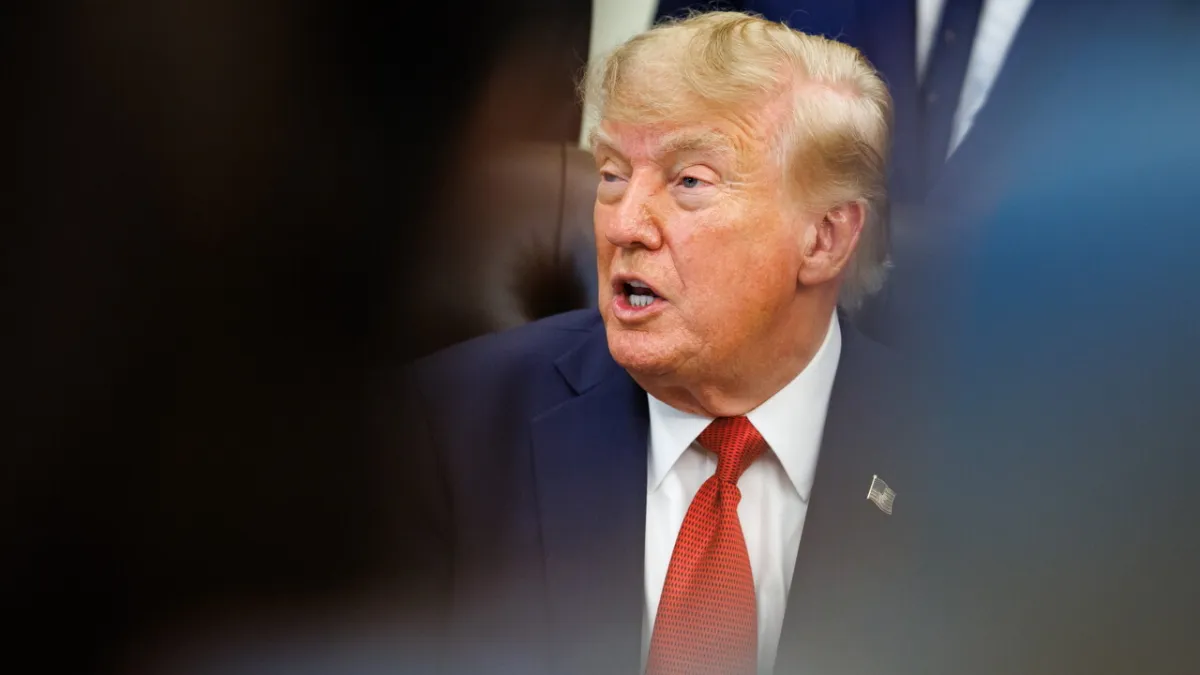
WASHINGTON – U.S. President Donald Trump issued a startling statement today, hinting at his readiness to launch a military strike against Iran if the Islamic Republic does not 'behave well'. This ultimatum comes shortly after President Trump cut short his stay at Camp David and returned abruptly to the White House, fueling speculation about the urgency behind the decision.
In a statement to the press, President Trump affirmed, 'I will decide if and when to blow up Iran, they should behave well.' This declaration immediately triggered a wave of global concern, given the sensitive and often volatile nature of US-Iran relations. Tensions between the two nations have been a geopolitical flashpoint for years, with various incidents exacerbating the situation.
President Trump's sudden return from the presidential retreat at Camp David to the White House, without a detailed explanation of the agenda, raised many questions. Political analysts suggest this move indicates significant developments behind the scenes that demand the direct attention of the superpower's leader. Information related to this sudden return was previously discussed in the article: Trump Pulang Mendadak dari Camp David: Ada Agenda Mendesak di Gedung Putih?.
Several international relations experts view Trump's statement as an attempt to pressure Iran into curbing its nuclear program and ceasing support for proxy groups in the Middle East. This escalation in rhetoric is not new, but the level of assertiveness this time is considered to go beyond typical threats.
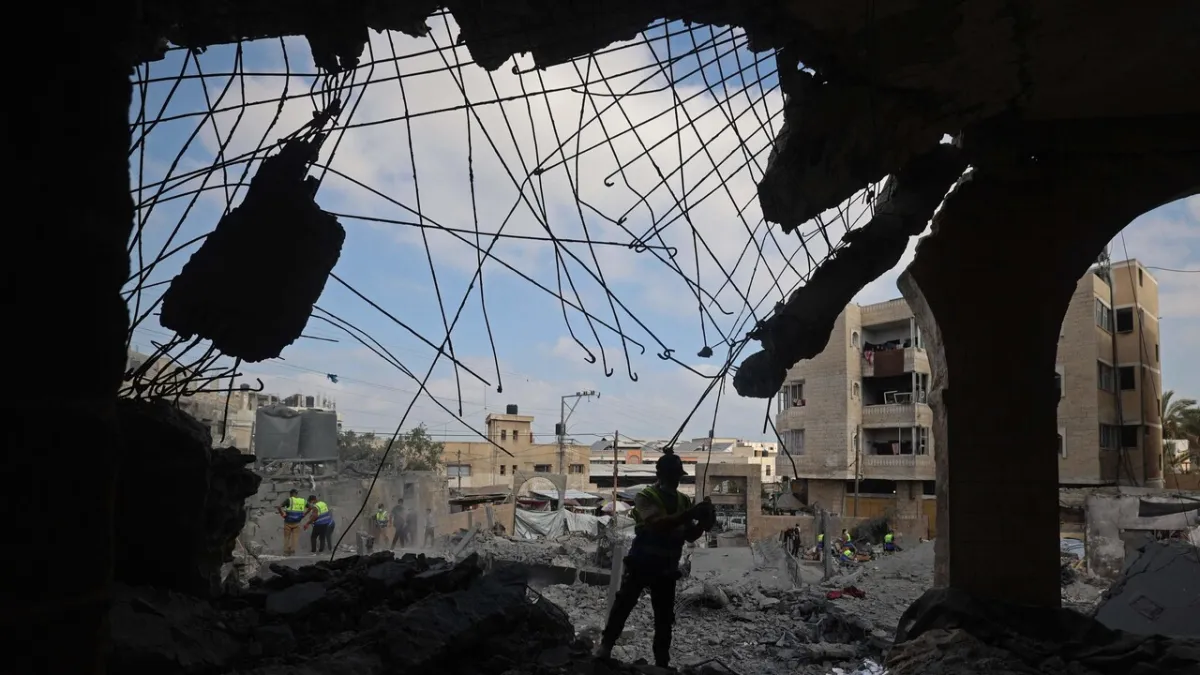
The Middle East, in particular, has always been a complex arena of power struggles. The threat of a US attack on Iran could trigger a greater wave of instability, potentially drawing other regional and global actors into the conflict. Given the ongoing dynamics, such a situation could affect various countries, including Israel, as summarized in the article Perebutan Kuasa Politik Israel: Misi Selamatkan Zionisme di Tengah Kekacauan.
Reactions from Tehran are expected to be fiercely defiant. Iran has consistently rejected what it calls foreign interference in its domestic affairs and has vowed to retaliate against any aggression. History shows that Iran has never flinched from Western pressure, even amid severe economic sanctions.
The international community, including US allies in Europe, will likely call for dialogue and de-escalation. They understand that a full-scale conflict in the Persian Gulf would have devastating economic and humanitarian consequences, including potential disruptions to global oil supplies.
Observers speculate that President Trump's notion of 'behaving well' encompasses several specific demands, such as:
- Cessation of uranium enrichment programs exceeding treaty limits.
- End of support for militias in Yemen, Syria, and Lebanon.
- Release of foreign nationals detained in Iran.
- Full compliance with UN Security Council resolutions.
The Trump administration has consistently adopted a 'maximum pressure' approach toward Iran. This latest military threat may be the culmination of that strategy, aimed at forcing Iran back to the negotiating table on terms more favorable to Washington.
However, many are skeptical whether such threats will be effective. Some experts argue that aggressive rhetoric could actually strengthen hardline elements in Iran and diminish the prospects for a diplomatic solution. The history of conflict in the region suggests that military force alone rarely provides long-term answers.
This uncertainty creates a tense climate in global markets. Crude oil prices surged immediately after the news broke, reflecting investor concerns about potential conflict disrupting world energy supplies.
President Trump now faces a major dilemma: whether to follow through on his threat or use the statement as a diplomatic bargaining chip. The world awaits the next move from the White House, which will determine the future direction of international relations and global peace.
Editorial Insight: President Trump's provocative statement marks a new chapter in the ever-turbulent US-Iran geopolitical dynamic. The explicit threat of military options, coupled with his sudden return from Camp David, indicates that the situation in the Middle East is entering a crucial phase. This rhetorical boldness, while risky, might be designed to compel Iran to comply or face unforeseen consequences. However, the regional and global implications of military action would be immense, requiring careful strategic calculation to avoid triggering a broader, more destructive conflict. Multilateral dialogue remains the most responsible path to de-escalate these tensions.