 Demian Sahputra
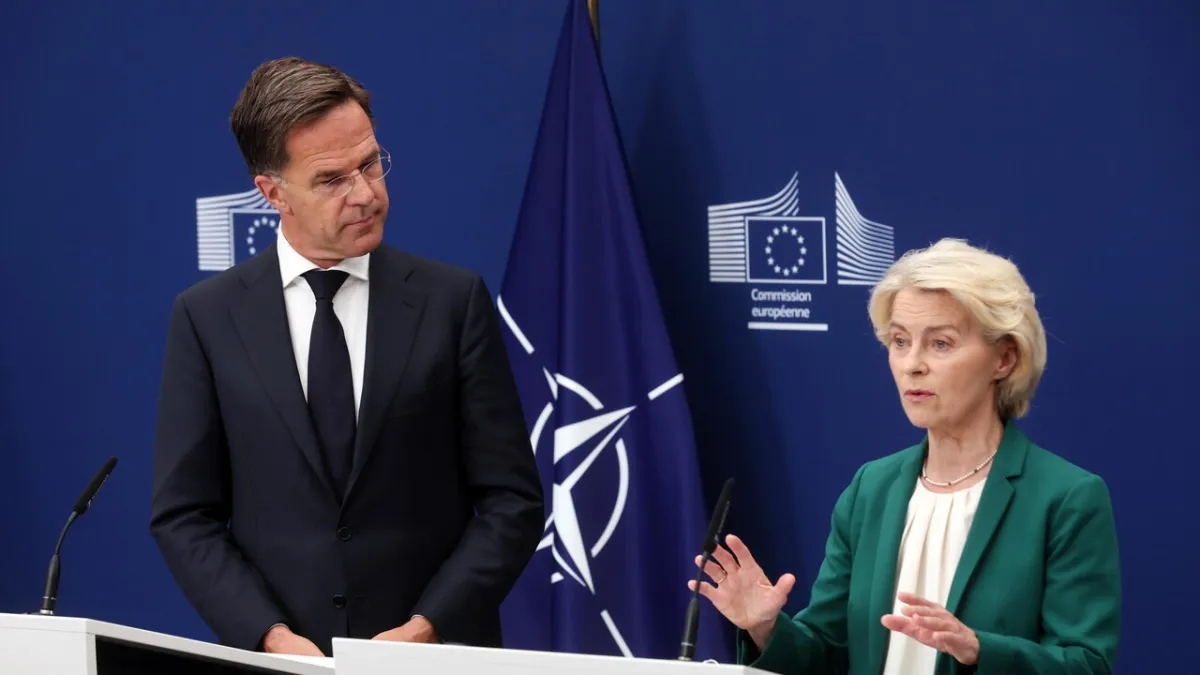
BRUSSELS – The European Union (EU) and the North Atlantic Treaty Organization (NATO) have affirmed their strategic unity, agreeing to increase pressure on Moscow following a series of provocative incidents. A meeting between European Commission President Ursula von der Leyen and Dutch Prime Minister Mark Rutte at the EU headquarters underscored the urgency of a collective response, especially after Estonia summoned the Russian Ambassador regarding an incident in Leipzig and a call from German politician Johann Wadephul to immediately send interceptor systems to Ukraine.
In a joint statement, Von der Leyen emphasized that the EU and NATO stand united, facing the evolving security challenges in Europe. Rutte, known as an influential voice in Europe, reiterated his country's commitment to maintaining alliance cohesion, while calling for concrete steps to support Ukraine.
Estonian Prime Minister Kaja Kallas led a significant diplomatic move by summoning the Russian Ambassador in Tallinn. Kallas stated, 'The Russian ambassador has been summoned, just as several other capitals have done, to convey strong condemnation regarding the incident in Leipzig.' This indicates a worsening of diplomatic relations and serious concerns about potential sabotage or foreign interference in the European region.
The incident in Leipzig, which is still being thoroughly investigated by German authorities, allegedly involved a drone attack targeting vital infrastructure. Germany, through statements from its officials, has accused Russia of being the mastermind behind the operation, marking a significant escalation in geopolitical tensions. Berlin Accuses Russia as Mastermind of Leipzig Drone Attack, NATO Ready for Firm Response, sparking intense discussions across the continent.
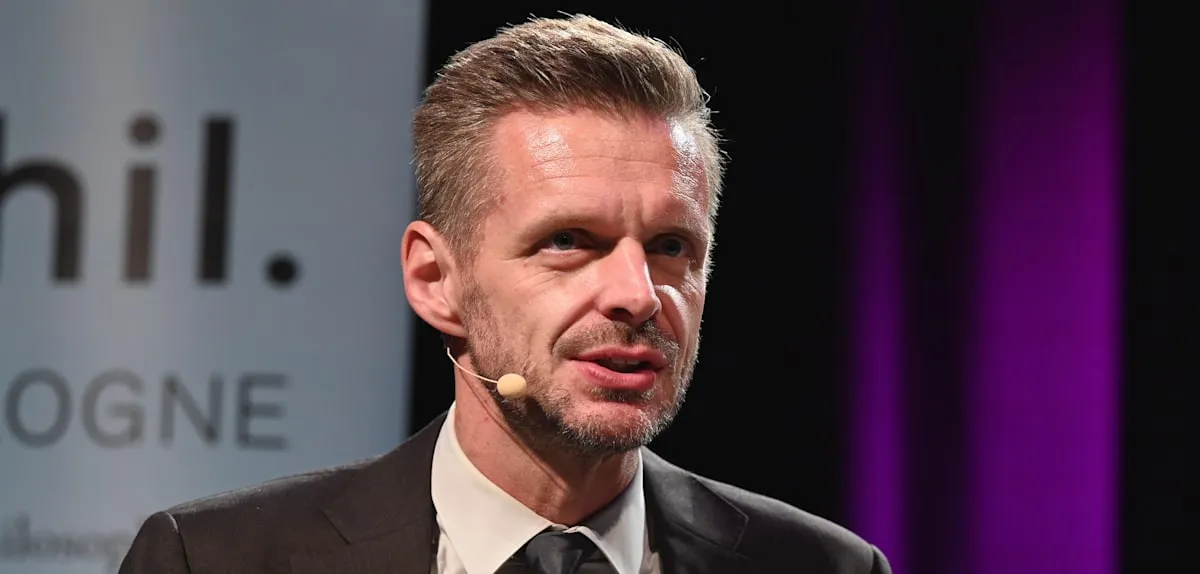
Ukraine's air defense needs are a central focus on the European agenda. Johann Wadephul, foreign policy spokesman for the CDU/CSU parliamentary group in the German Bundestag, explicitly stated the urgency of providing more interceptors. Wadephul declared, 'Several countries in the European Union have interceptor systems that could be given to Kyiv. Let us discuss this seriously,' highlighting the gap in Ukraine's defense capabilities.
This request comes as Ukraine continues to face relentless waves of missile and drone attacks from Russia. Interceptor systems, such as those used in advanced air defense systems, are crucial for protecting cities and critical infrastructure from aerial threats, enabling Ukraine to defend itself more effectively against Moscow's aggression.
Beyond diplomatic and military pressure, increased pressure on Moscow also includes strengthening military presence on NATO's eastern flank and enhancing the defense capabilities of EU member states. The alliance seeks to send a clear signal that any form of aggression or interference will be met with a firm and coordinated response.
The pattern of Russian interference and hybrid threats has been an ongoing concern for European nations for some time. Europe on High Alert: Russian Hybrid Threats Shake Stability, Kremlin Assets Targeted, serves as a reminder of the conflict's complexity beyond conventional battlefields.
The escalating tensions in Europe have global implications, affecting the stability of energy markets, global supply chains, and diplomatic relations among major powers. The world continues to monitor every development closely, hoping that a peaceful resolution can be achieved without a broader escalation of the conflict.
EU and NATO leaders are scheduled to hold further meetings in the coming weeks to formulate a more detailed joint strategy. Key focuses will include coordinating military aid to Ukraine, strengthening cyber defenses, and measures to counter Russian disinformation.
Editorial Insight: The unity of the EU and NATO is a crucial foundation in addressing current geopolitical challenges. However, the effectiveness of pressure on Moscow heavily depends on the consistency and speed of policy implementation. The availability and delivery of interceptors to Ukraine are not merely military issues, but also symbols of Europe's commitment to the sovereignty of its neighbor. Failure to act decisively and swiftly could prolong the conflict and erode the alliance's credibility. This situation demands strong leadership and bold decisions from European leaders.