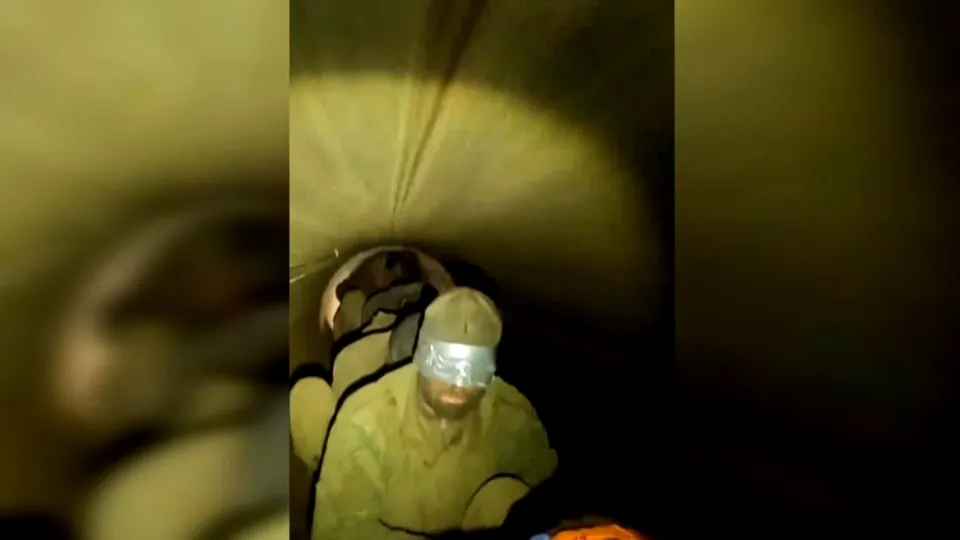
KYIV – The conflict between Ukraine and Russia has reached a new and alarming dimension in 2026, shifting the battlefield into the depths of a labyrinthine network of disused underground gas pipelines. Ukrainian soldiers exclusively report on the subterranean combat conditions, describing them as 'hell,' marking a grim evolution in war tactics amid ongoing geopolitical tensions. This underground combat strategy is feared to be the precursor to a much more brutal phase of confrontation.
This transformation of the battlefield indicates both sides' military adaptation to the stalemate on conventional frontlines. The gas pipelines, once conduits for energy, are now narrow, dark, and deadly tunnels where forces confront each other in intense close-quarters combat. These extreme conditions demand exceptional physical and mental resilience from soldiers.
Internal sources from the Ukrainian military reveal that these underground operations differ significantly from typical ground or air battles. It's 'hell', said a soldier who requested anonymity, describing the suffocating, dimly lit atmosphere and the constant danger of traps at every turn. Every step could mean life or death. You never know when the enemy will emerge from the darkness.
This pipeline network, stretching thousands of kilometers underground across Ukraine, was originally designed for gas transport from Russia to Europe. After years of underuse due to changing energy policies and sanctions, this vital infrastructure has now been repurposed into a strategic battlefield.
The use of tunnels and underground networks is not new in the history of conflict, but the scale and complexity of this gas pipeline network present unique challenges. Global military analysts, including those from the Pentagon, highlight the similarity of these tactics to the tunnel warfare seen in Gaza, where Hamas utilized subterranean networks to ambush Israeli forces.
Ukraine may have learned valuable lessons from the conflict in the Middle East, stated Dr. Elara Vance, a military strategy expert from the University of London. The use of these gas pipeline networks provides an advantage in terms of hidden mobility, protection from air attacks, and the ability to launch surprise assaults.
However, the inherent risks of underground combat are also exceptionally high. The dangers of collapse, lack of ventilation, difficulty in evacuating casualties, and the threat of residual toxic gases in some pipeline sections are constant terrors for combatants. This subterranean conflict also limits the use of advanced technologies such as reconnaissance drones and heavy artillery.
The Kyiv government has not yet provided official comment on the full scale of these underground operations, but exclusive field reports indicate this is an increasingly vital front. Russian forces, also known for their adaptive war strategies, are expected to reinforce defenses and attacks in similar passages.
This situation adds complexity to ongoing international peace efforts. Indonesian President Prabowo Subianto has, on several occasions, expressed concern over the escalation of the conflict in Ukraine, calling for constructive dialogue to end the humanitarian suffering.
This underground warfare strategy also raises questions about the future of global energy infrastructure. If extensive gas pipeline networks can be converted into battlefields, it could impact the security design and placement of other critical energy facilities worldwide.
The concern among strategists that this is just the beginning underscores the potential for escalation. If the fighting continues to spread underground, the conflict could evolve into a bloodier and more unpredictable war of attrition, with impacts far beyond the immediate battlegrounds.
Editorial Insight: The shift of the battlefield underground in Ukraine marks a disturbing phase, indicating both a surface stalemate and desperate tactical innovation. Tunnel warfare is invariably costly and difficult to control. Without significant diplomatic intervention, the escalation of conflict within these dark passages could prolong suffering and complicate the path to peaceful resolution, with broader geopolitical consequences in the years to come.