 Dorry Archiles

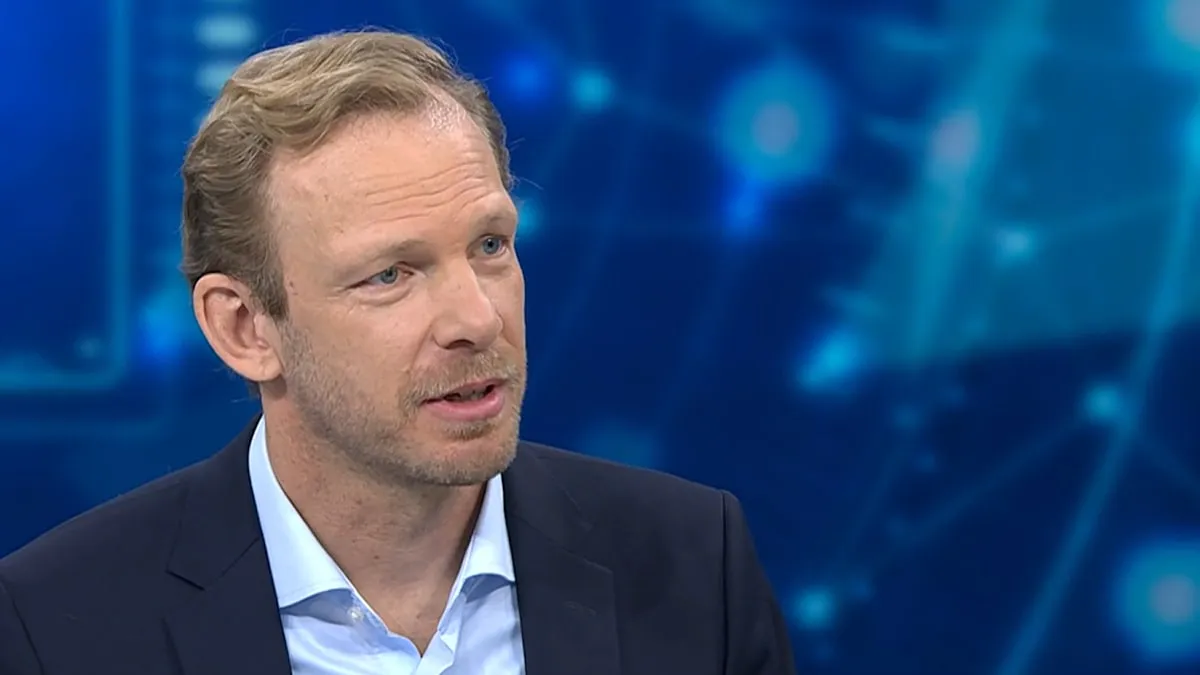
KIEV – The battlefield front in Ukraine continues to show significant stagnation, despite intense attacks being launched by both sides. This situation arises from observations by Christoph Wanner, a senior WELT correspondent, who reports that repeated bombardments have failed to dislodge Russian forces from their positions. Russia's defensive strength has proven solid on the frontline, hindering Ukraine's efforts to reclaim occupied territories.
Wanner explains that current battlefield dynamics exhibit minimal change. The scale of attacks and the amount of ammunition deployed do not correlate with shifts in the frontline. Every inch of territory is now fiercely contested, but without significant progress for either side. This harsh reality raises concerns about the prospects of resolving the conflict in the near future.
The minimal changes on the frontline become a key focus, especially ahead of important negotiations scheduled to take place in Abu Dhabi. The composition and role of the Russian delegation in these meetings will have significant implications for the direction of the talks. The presence of the Russian delegation in Abu Dhabi indirectly indicates a diplomatic channel, even though conditions on the ground show a military stalemate.
Military analysts view this situation as an deepening phase of attrition warfare. Both sides are deploying vast resources without achieving decisive tactical advantages. This condition demands new strategic approaches, both from Ukraine and its Western allies, as well as a reassessment from the Russian side.
Christoph Wanner further elaborates that the failure of a series of attacks to alter the battle map demonstrates the extraordinary resilience of Russian defenses. Despite increasing international pressure and economic sanctions, Moscow remains steadfast in its military positions in the territories it occupies.
The Abu Dhabi meeting is expected to discuss various crucial issues, from a ceasefire to potential frameworks for lasting peace. However, these hopes are accompanied by skepticism given the frozen situation on the battlefield. The presence of the Russian delegation in the negotiations could signal an intent to dialogue, but it could also merely be a diplomatic maneuver.
The involvement of various international actors in these negotiations highlights the complexity of the Ukrainian conflict. Gulf nations, with Abu Dhabi as host, are attempting to play a larger mediating role in global geopolitical issues. This is an effort to find a way out of a conflict that has claimed thousands of lives and created a humanitarian crisis.
This event also underscores the importance of parallel diplomacy, where military efforts and political dialogue proceed hand-in-hand, or perhaps even contradict each other. How the outcomes of the Abu Dhabi negotiations will affect the dynamics of the battlefront remains a major question. Whether this meeting can open a window for de-escalation, or merely cement the stalemate, time will tell.
Some observers argue that Moscow is leveraging its military resilience as a bargaining chip in negotiations. 'As long as Russia feels it can militarily hold its territory, incentives for diplomatic compromise may decrease,' said a diplomat who wished to remain anonymous. This approach could prolong the conflict.
The future of Ukraine and European regional stability largely depends on the ability of global leaders to find a just and sustainable solution. Without significant diplomatic breakthroughs, the risk of further escalation remains high, with global implications that cannot be underestimated.
Editorial Insight:
The stagnation on the Ukrainian front underscores the brutal reality of attrition warfare, where military might alone is insufficient to achieve political objectives. The Abu Dhabi negotiations are crucial, not only for seeking a solution but also for testing the political will of the parties involved. The presence of the Russian delegation, even as fighting continues, can be interpreted as an ambivalent signal. Progress at the negotiating table will demand significant concessions, which may be difficult to achieve given the stalemate on the ground. This situation reminds us of the relevance of previous articles such as Despite Continued Bombardment, Trump-Russia Explore Big Deal!, which illustrates a pattern of diplomacy amidst military aggression.