 Debby Wijaya

SAXONY-ANHALT – The rural region of Saxony-Anhalt, Germany, is preparing to welcome a significant wave of urban exodus from Berlin, projected to peak in 2026. This strategic initiative, spearheaded by influential figure Ulrich Siegmund, promises unparalleled opportunities and a premium quality of life, compelling the capital's elite to reconsider their metropolitan lifestyles. The offers, described as irresistible, open a new chapter in the regional development of eastern Germany.
This demographic shift is more than just a typical migration. Several observers view it as a manifestation of the discreet charm of the bourgeoisie in the countryside, a narrative increasingly relevant amidst the dense and fast-paced urban dynamics. Saxony-Anhalt, with its pristine landscapes and largely untapped economic potential, is now positioning itself as an attractive alternative.
Berlin residents, particularly those with financial capacity seeking tranquility and more space, are showing growing interest. The pressures of metropolis life, soaring property costs, and a desire for a closer connection with nature are key drivers behind the decision to leave the urban hustle and bustle.
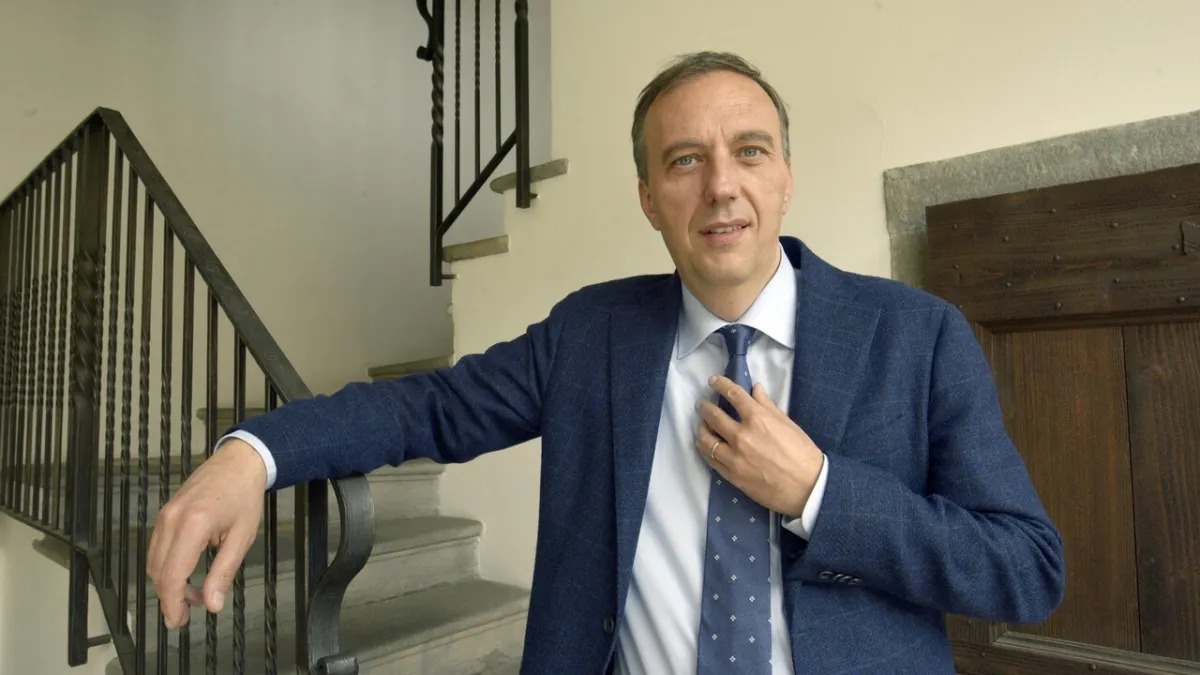
The figure behind this magnetization is Ulrich Siegmund. While specific details regarding the irresistible offers have not been fully disclosed to the public, speculation abounds concerning economic incentives, modern facilities, and infrastructure development schemes specifically designed to attract investment and talent from Berlin. Siegmund is believed to hold a long-term vision for revitalizing the rural areas.
The phenomenon of population movement from large cities to suburban or rural areas is not new. However, the scale and demographic target of this Saxony-Anhalt initiative make it unique. Local governments and private sectors are believed to be collaborating to create an ecosystem conducive to the growth of new, sustainable communities.
The economic impact of this exodus is expected to be highly positive for Saxony-Anhalt. An increase in population with high purchasing power will stimulate growth in local service, property, and tourism sectors. Furthermore, the potential for new innovations and investments in technology and creative industries is also a major expectation. In contrast to some national investment concerns, such as reports related to Roche Halts Investment in Germany, Siegmund's initiative seeks to create new pockets of economic growth.
While the prospects are bright, challenges certainly exist. Social integration between long-term residents and newcomers, adequate infrastructure development, and local environmental preservation will be crucial issues requiring careful management. The balance between growth and sustainability will be key to ensuring long-term success.
Similar initiatives have occurred in several other European countries, although not always with a focus on the bourgeoisie or on a comparable scale. The success of this program will serve as an important case study for other regions struggling with rural depopulation or seeking to attract investment and talent from urban centers.
The German government, under Chancellor Olaf Scholz, appears to support this decentralization of economic development. Policies promoting regional balance are part of the national agenda to ensure equitable growth across all regions and reduce pressure on major cities.
With Ulrich Siegmunds sweet promises and Saxony-Anhalt's inherent potential, 2026 could mark a significant turning point. This region has the potential to become a model for modern rural development that successfully attracts investment and urban residents without losing its local identity and characteristics.
Editorial Insight: Saxony-Anhalt's efforts to attract Berlin's elite through Ulrich Siegmund reflect a global trend towards seeking life balance and new opportunities outside urban centers. The success of this program will heavily depend on the implementation of the promised incentives, particularly in creating an inclusive and sustainable social and economic ecosystem. This is not merely a relocation, but the formation of new communities with potential long-term impacts on Germany's demographic and economic landscape.