 Edward DP Situmorang
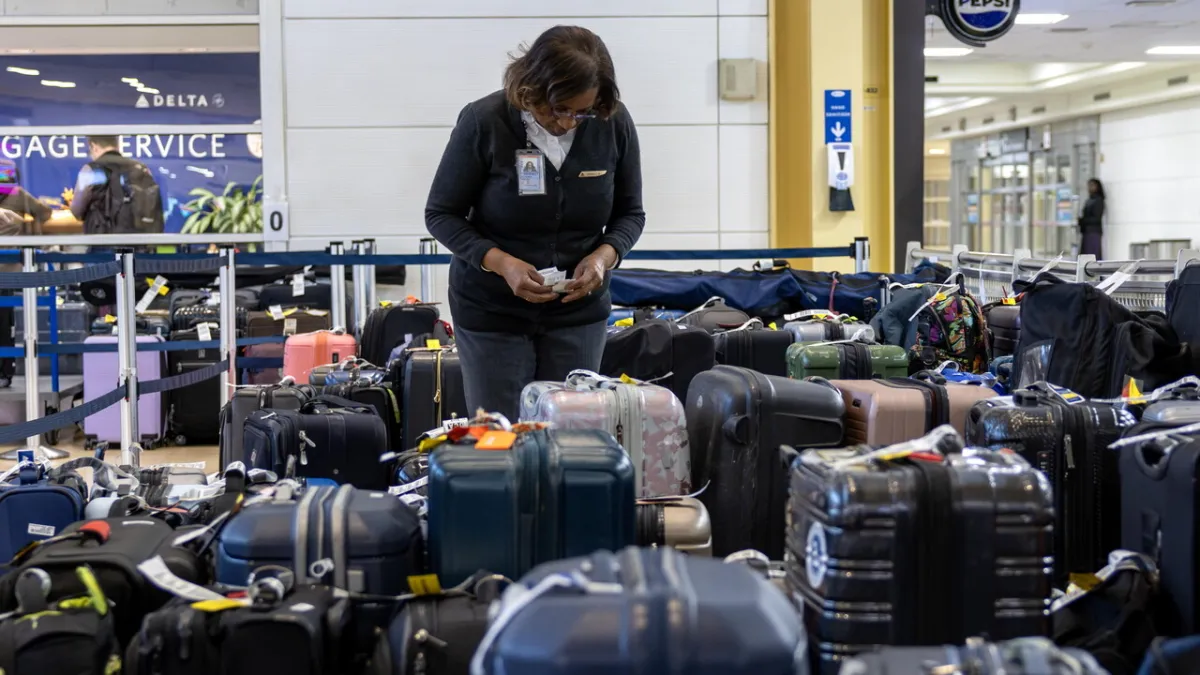
WASHINGTON – The aviation sector in the United States is once again battling a storm of mass cancellations. An additional 1,400 flights were canceled on Sunday, exacerbating air travel disruptions that had peaked since Saturday with 6,700 cancellations. This incident follows a nearly five-hour operational halt by the Federal Aviation Administration (FAA) on Friday evening.
This situation has triggered a wave of frustration among passengers and airlines, simultaneously highlighting the fragility of the national air traffic control infrastructure. The domino effect of these cancellations is rooted in a critical FAA system incident that occurred on Friday, forcing significant delays and flight restrictions across the country.
On Friday, March 10, 2026, the FAA surprisingly announced a temporary suspension of flight operations in US airspace for nearly five hours. This halt, triggered by technical issues with a core system, directly impacted domestic and international flight schedules crossing US airspace.
Following the suspension, Saturday became the worst day with a total of 6,700 flight cancellations at major airports such as Hartsfield-Jackson Atlanta International Airport, OHare International Airport in Chicago, and Dallas/Fort Worth International Airport. Many passengers were forced to stay overnight in terminals or seek alternative transportation.
Although the FAA stated that the situation began to improve on Sunday morning, the impact is still strongly felt. The additional 1,400 flight cancellations indicate that the operational recovery process for flights is taking longer than initially anticipated.
An FAA spokesperson, in an official statement, said they are working diligently to identify the root cause and implement permanent solutions. Our top priority is safety, and we will not compromise on it. We understand the significant impact of this incident on the public, he stated, without providing further technical details.
Airlines are facing significant financial losses due to this incident, ranging from passenger compensation costs, crew rescheduling, to lost ticket sales. Several major airlines have issued flexible rebooking policies without additional fees for affected passengers.
This disruption also raises serious questions about the modernization of the US air traffic control system, which has long been a subject of debate. Critics point to delayed investments and legacy systems vulnerable to failure. President Donald Trump, through his social media account, urged a thorough investigation into this incident and called for accelerated improvements to FAA's digital infrastructure.
The United States Senate is reportedly set to hold an emergency hearing to demand accountability from high-ranking FAA and Department of Transportation officials. They want to know what concrete steps will be taken to prevent similar incidents from recurring in the future.
Aviation experts emphasize that air traffic control systems are the backbone of flight operations and must be maintained to the highest standards. Failures like this are not only disruptive but also potentially dangerous if not addressed seriously and promptly.
This situation serves as a crucial reminder of the importance of cyber and operational resilience in all vital infrastructure sectors, especially in the current digital age. The impact of economic losses and loss of public trust can be highly damaging.
Editorial Insight: This incident of mass flight cancellations in the United States goes beyond mere schedule disruptions. It is a loud alarm for the US government to immediately prioritize the modernization of vital systems, especially under evolving cyber and technical threats. The FAA's failure not only inconveniences millions of individuals but also casts doubt on a superpower's ability to maintain basic operational fluidity. Transparent measures and significant investment are imperative for public confidence and aviation sector stability to fully recover.