 Angela Stefani
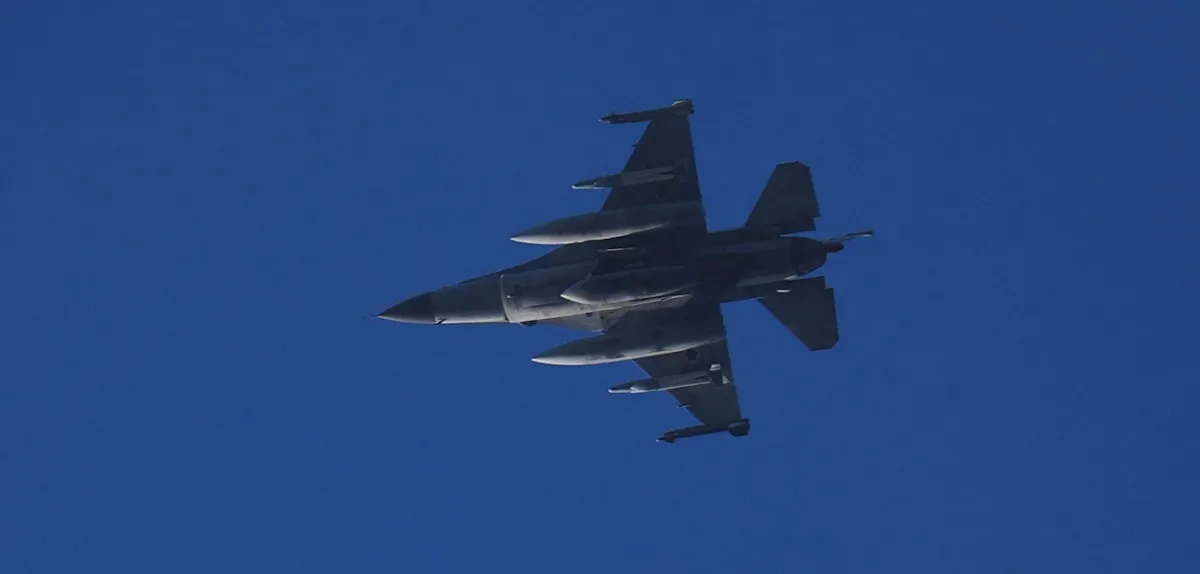
Washington — The United States (US) military launched renewed airstrikes against targets in Iran in early 2026. This escalatory action was announced by the US Central Command (CENTCOM) via the social media platform X, marking a significant increase in tensions within the strategic Strait of Hormuz region. Washington justified these strikes as a response to a series of aggressions against commercial and military vessels traversing the vital shipping lane.
These strikes are not an isolated incident but a continuation of an escalating pattern that has fueled global concerns throughout late 2025 and into 2026. US intelligence analysis indicates that attacks on shipping near the Strait of Hormuz were orchestrated by Iranian-backed proxy groups, aiming to destabilize the region and undermine international maritime interests.
The Strait of Hormuz, serving as the main artery for a significant portion of the world's oil supply, has always been a geopolitical flashpoint. Any disruption in this strait has the potential to trigger global oil price surges and threaten energy supply chains, with ripple effects on stock markets and macroeconomic conditions worldwide. This situation is further complicated by the dynamic US-Iran relationship, rich in a history of conflict and sanctions.
Previous incidents include the seizure of tankers, drone attacks, and sea mine operations targeting commercial vessels. Washington has repeatedly called for Tehran to cease its destabilizing activities, but these calls have seemingly gone unheeded, prompting the military response that is now intensifying.
Various US partner nations and regional allies have expressed deep concern. Several diplomats fear that this cycle of violence could quickly escalate into a broader conflict, potentially drawing in other regional powers and even global superpowers. The UN and the European Union have urged both sides to exercise restraint and return to negotiations to prevent further escalation.
There has been no comprehensive official response from Tehran regarding these latest attacks. However, previous patterns suggest that Iran will likely condemn the US actions as a violation of sovereignty and pledge proportionate retaliation, although the precise form of such retaliation remains uncertain.
Economists and commodity market analysts have predicted that the escalating tensions in the Middle East will significantly impact crude oil prices. Investors are concerned about supply disruptions that could trigger further inflation amid global post-pandemic economic recovery efforts that have not fully stabilized by 2026. This situation aligns with concerns over the threat of rising global oil prices previously anticipated, even in the context of a potential future ceasefire.
Maritime security in the Persian Gulf and surrounding waters remains a top priority for many nations. International naval task forces, including those led by the US, have increased patrols to protect shipping lanes and ensure freedom of navigation, despite the persistent high threat to vessels in the Strait of Hormuz.
Many hope that diplomatic channels can be reopened. Indirect talks or mediation by third-party countries may be necessary to prevent further escalation and to seek long-term solutions for the simmering tensions in the region. Without serious efforts, the prospects for regional stability will remain bleak.
The situation in the Strait of Hormuz continues to be a crucial barometer for global stability. Without meaningful de-escalation, the risk of open conflict will persist, with untold humanitarian and economic consequences. The world awaits strategic moves from both sides to de-escalate this ongoing crisis.