 Demian Sahputra
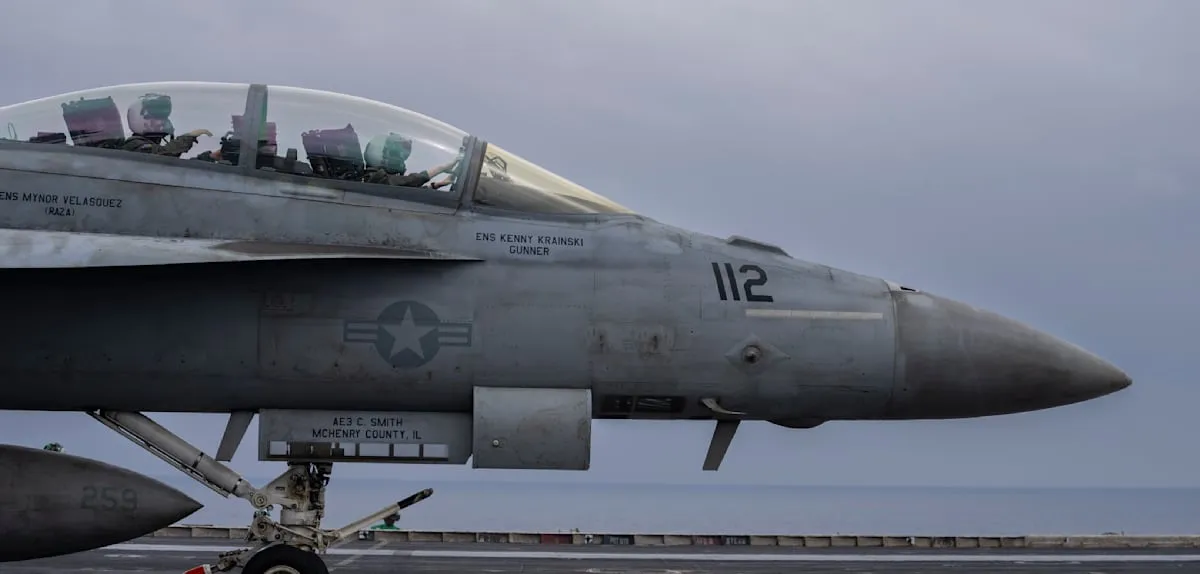
Washington – The United States has once again launched attacks against several targets within Iranian territory. This military action, confirmed by the United States Central Command (USCENTCOM) via the X platform, comes in response to previous aggressions targeting commercial and military vessels in the strategic waters near the Strait of Hormuz. The incident exacerbates geopolitical tensions in the Gulf region, sparking global concerns over stability and maritime security.
This latest strike marks a significant escalation in a series of indirect confrontations between the two superpowers. The US asserts that its actions are defensive and proportional, aimed at restoring freedom of navigation and protecting international maritime interests threatened in one of the world's most critical shipping lanes.
Relations between Washington and Tehran have long been fraught with tension, particularly following the US withdrawal from the Iran nuclear deal and the imposition of severe economic sanctions. Attacks on facilities or assets claimed to be linked to Iran often serve as turning points in this complex dynamic, with each side accusing the other of provocation.
Connecting the Persian Gulf to the Arabian Sea, the Strait of Hormuz is a vital channel for global oil trade. Approximately one-third of all seaborne oil traded worldwide passes through this strait daily. Consequently, any security incident in these waters has direct and far-reaching implications for global oil prices and economic stability.
The international community is closely monitoring these developments, calling for de-escalation and dialogue to prevent a broader conflict. Various nations, including US allies in Europe and Asia, express deep concern over the potential regional and global ramifications of instability in the Gulf.
A USCENTCOM spokesperson stated, "These strikes are a direct response to a series of attacks threatening the safety of navigation and our military personnel in international waters. The United States will not hesitate to protect its forces and interests." The statement underscores Washington's firm stance.
Although there has been no official response from Tehran regarding the latest attacks, Iran has consistently accused the US of provocative intervention in its region. The Islamic Republic of Iran often retaliates against similar actions with threats of retribution or demonstrations of its military might in the Strait of Hormuz, adding layers of complexity to the security situation.
Market analysts predict these strikes will impose new pressure on global energy markets. The threat of global oil price hikes looming after the US-Iran ceasefire had already been a concern, and this military action further exacerbates that prospect, potentially triggering a significant price surge.
Other Gulf nations, such as Saudi Arabia and the United Arab Emirates, which also have strategic interests in the Strait of Hormuz, are vulnerable to escalation. The security of this shipping lane is crucial for their oil exports, and any disruption could severely impact their economies.
This situation highlights the fragility of diplomatic efforts to de-escalate tensions between the US and Iran. Negotiation attempts to revive the JCPOA nuclear deal have repeatedly faltered, and incidents like this further complicate prospects for constructive dialogue in the future.
International security experts warn that without effective communication channels and serious de-escalation efforts, such confrontations could easily trigger a larger conflict. This not only threatens regional stability but also carries severe global implications for peace and security.
Stability in the Gulf region remains a top priority for many global powers. These retaliatory strikes underscore the urgent need for robust crisis management mechanisms to prevent miscalculations that could drag the region into a wider armed conflict, with devastating humanitarian and economic consequences.