 Edward DP Situmorang
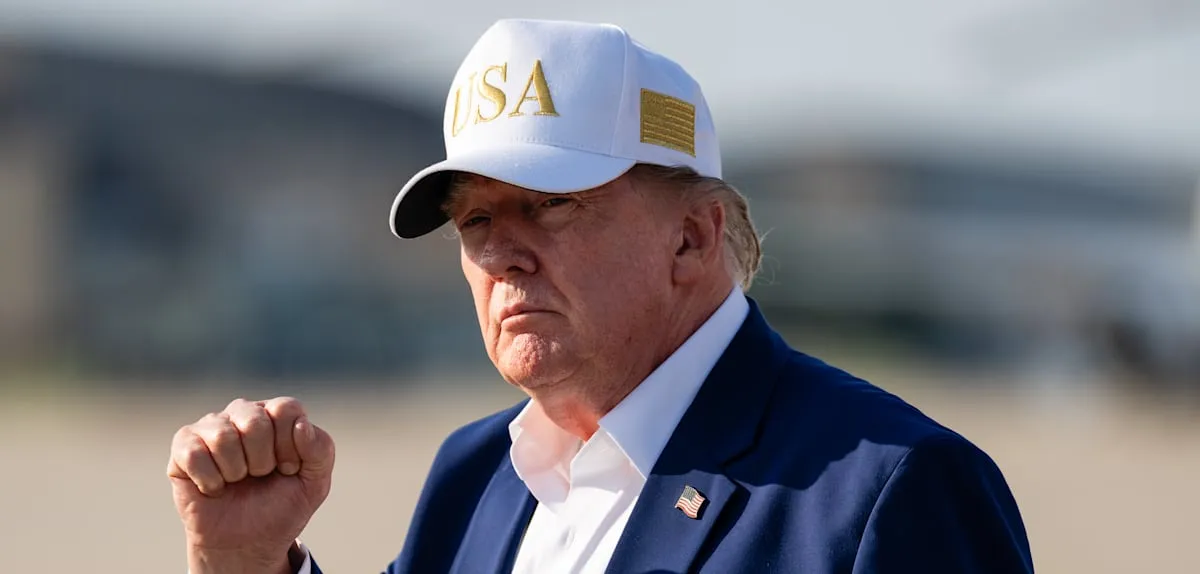
WASHINGTON – President Donald Trump's administration has reaffirmed its stringent immigration policies, initiating a massive revocation of over 175,000 visas belonging to foreign nationals across the United States. This drastic decision responds to various legal infractions, ranging from serious violent crimes to traffic offenses. Implemented throughout 2026, this policy underscores the government's uncompromising approach to immigration enforcement while fueling debates on proportionality and the narrative surrounding immigrant criminality.
The sheer volume of revoked visas spans a broad spectrum of permits, including student, work, and tourist visas. These revocations are part of a systematic effort by the US government to deport individuals deemed to have violated the law, regardless of the perceived severity of the offense. Sources within the Department of Homeland Security indicate that this measure aims to uphold the integrity of the immigration system and national security.
One prominent case involves the revocation of a visa belonging to a well-known German publicist. Although authorities have not disclosed further details of their identity, the incident has garnered significant attention from European media. It highlights that the policy targets not only individuals involved in extreme violent crimes but also public figures who may have committed other offenses deemed serious by the US government.
The visa revocations fall into several key categories of violations. Initial data suggests that the majority of cases are linked to offenses posing a serious threat to the public, such as:
- Violent acts
- Drug-related offenses
- Large-scale theft and fraud
- Serious immigration-specific violations
However, reports also indicate that a substantial number of visas were revoked due to repeated traffic violations or other minor offenses, which the Trump administration classifies as valid grounds for deportation.
This repressive policy rekindles a narrative frequently asserted by President Trump: that immigrants are a primary source of increased crime rates in the US. Nevertheless, factual data released by various independent bodies, including think tanks and academic institutions, presents a contrasting reality.
Federal statistics consistently demonstrate that only a small fraction of the entire immigrant population in the United States is involved in criminal activities. In fact, crime rates among immigrants, both legal and undocumented, are often lower than those among native-born US citizens. These findings directly contradict government rhetoric that tends to generalize and politicize immigration issues.
Immigrant rights groups and legal advocacy organizations express deep concern over this policy. They argue that mass visa revocations could lead to family separations, economic hardship for communities, and potential human rights violations. The appeal process for visa revocation decisions is also reportedly becoming more challenging and time-consuming, adding to the burden on affected individuals.
International community reactions have been mixed. Some nations have voiced concerns over the fate of their citizens affected by the policy, while others have chosen to observe developments without direct intervention. This issue is expected to be a prominent topic in bilateral diplomatic forums between the US and affected countries.
Amid this controversy, the US government insists that these measures are essential for maintaining national sovereignty and protecting its citizens from potential threats. A State Department spokesperson affirmed that every visa revocation has followed due legal procedure and is based on concrete evidence of violations. They assert that national security will continue to be prioritized above all else.
Editorial Insight: President Donald Trump's administration's massive decision to revoke hundreds of thousands of visas manifests a consistent America First policy focused on border enforcement and internal security. While the government cites criminal offenses as justification, data indicates immigrant crime rates are significantly lower than portrayed. This suggests the policy might be more politically and populistically motivated than purely data-driven, aiming to solidify a tough image ahead of potential upcoming elections. Long-term impacts could include humanitarian crises, diplomatic tensions, and a potential reduction in essential foreign labor for certain US economic sectors.