 Edward DP Situmorang
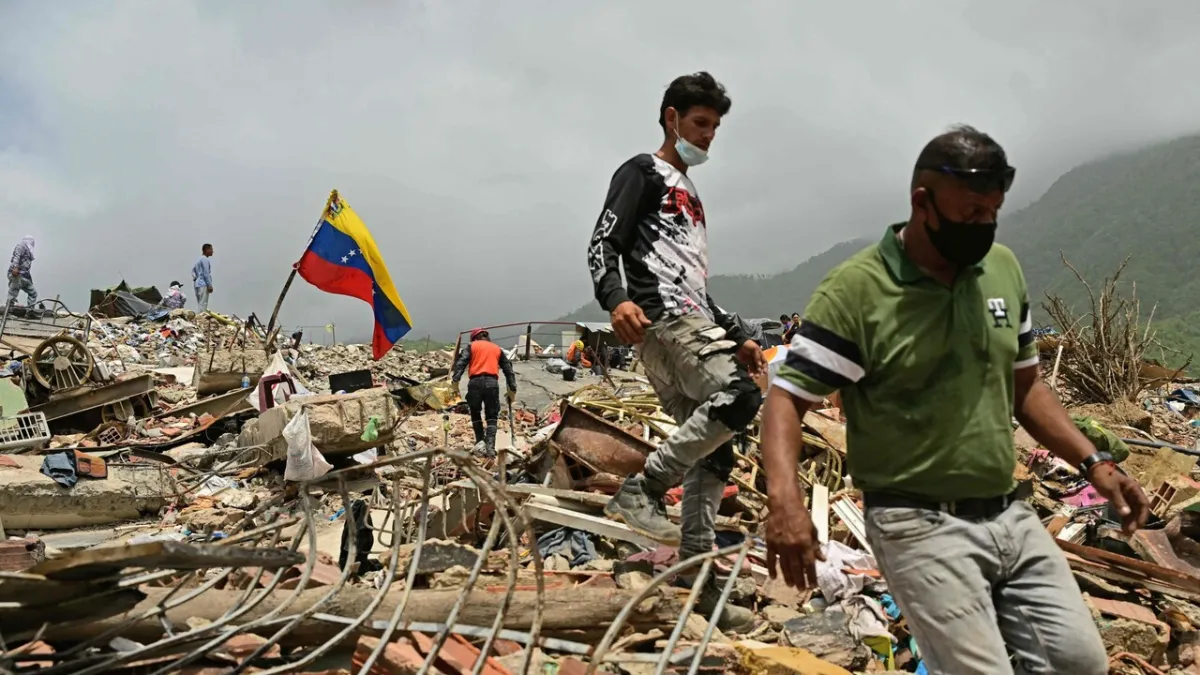
CARACAS — A series of devastating earthquakes that struck Venezuela has resulted in a profound humanitarian tragedy, claiming over 4,000 lives and injuring at least 16,740 people. The Venezuelan government in Caracas confirmed these grim figures in 2026, sparking global concern over the unprecedented scale of the disaster.
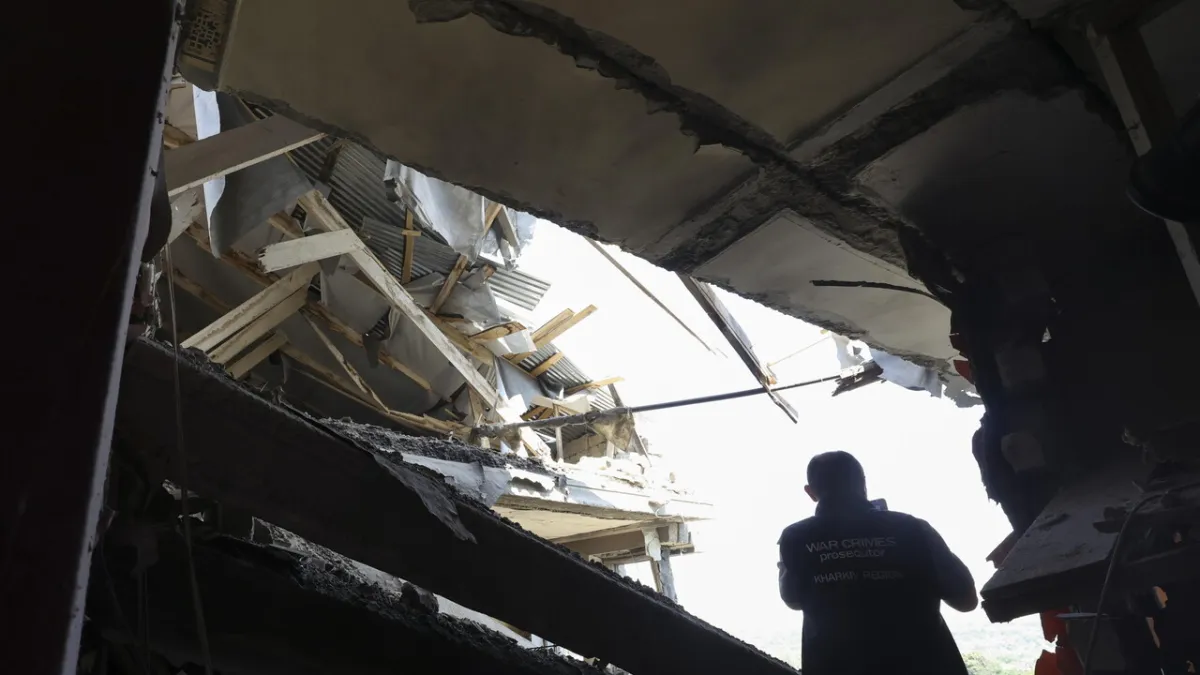
This natural catastrophe not only claimed lives but also caused severe infrastructure damage across various regions. Many buildings collapsed, roads cracked, and communication lines were severed, complicating rescue efforts and the distribution of humanitarian aid.
The President of Venezuela, serving in 2026, immediately declared a state of national emergency. He called for solidarity and the mobilization of all resources to address the earthquake's impact. Rescue teams, both domestic and international, are racing against time to search for victims who may still be trapped under the rubble.
Evacuation centers have been established to accommodate thousands of displaced citizens. Shortages of clean water, food, and medical supplies pose serious challenges for local authorities, worsening conditions for traumatized survivors.
International humanitarian organizations have expressed readiness to provide assistance. The United Nations (UN) and the International Red Cross are coordinating with the Venezuelan government to expedite the delivery of essential aid, including tents, blankets, and medicines.
Several seismology experts suspect that tectonic activity in the region has increased recently, but the intensity and frequency of these earthquakes were particularly startling. Initial analyses indicate significant plate movements, triggering powerful successive tremors.
Post-earthquake recovery efforts are expected to take years and require substantial investment. The immediate priorities are ensuring all victims are found, providing adequate medical care for the injured, and establishing suitable temporary shelters for the displaced.
The international community urges full access for humanitarian aid without political impediments, given the critical situation on the ground. Venezuela, with its limited resources, heavily relies on global support to recover from this devastation.
The situation in Caracas, despite being the seat of government, was also affected. Several high-rise buildings suffered structural cracks, forcing mass evacuations and raising concerns about the potential collapse of other structures.
This tragedy serves as a bitter reminder of human vulnerability in the face of nature's power. With thousands of shattered families and an uncertain future, Venezuela now faces its toughest test in the last decade.