 Angel Doris
SEVESO — Fifty years after the world-shaking dioxin disaster, Seveso, a town in Lombardy, Italy, now stands as a monument to environmental resilience and transformation. The commemoration of five decades since the tragedy occurred on July 10, 1976, is celebrated in 2026 with an optimistic vision, where the mayor of reconstruction voices the hope that "from evil, good can be born" to Italian President Sergio Mattarella.
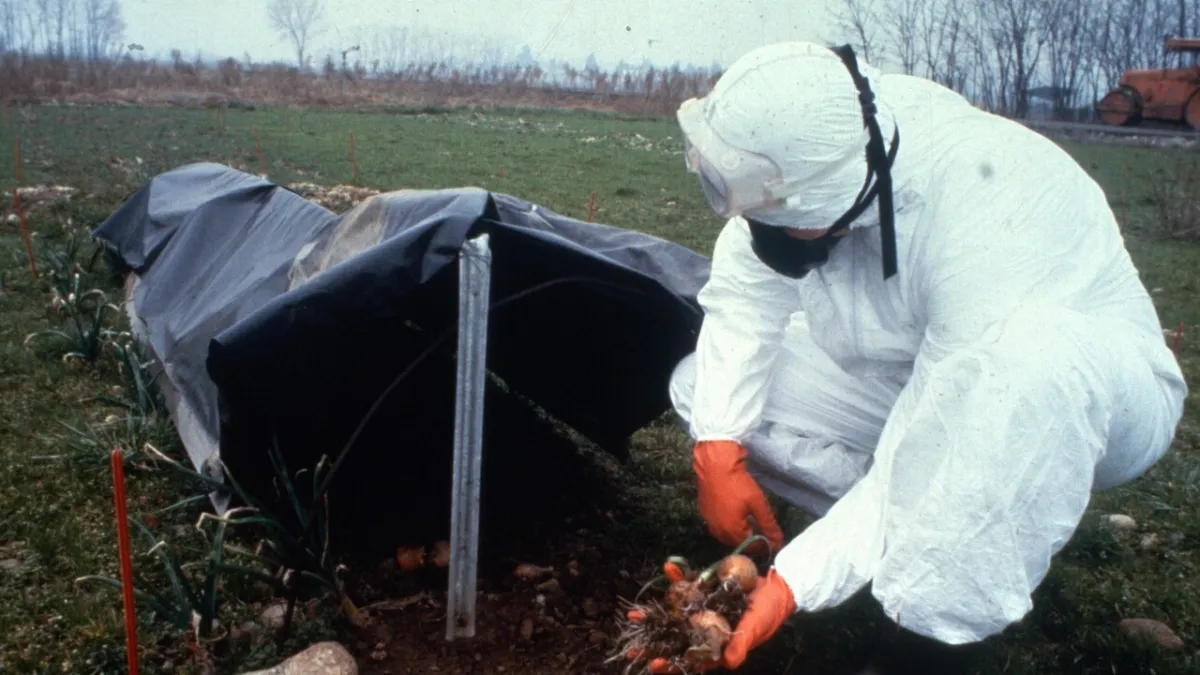
The Seveso disaster began with an explosion at the Icmesa chemical plant, a subsidiary of Givaudan, releasing a toxic cloud of dioxin into the atmosphere. The event caused widespread contamination, forcing the evacuation of thousands of residents, and triggering an unprecedented health and environmental crisis in Europe. This incident altered the town's landscape, leaving a deep scar of suffering on the affected community.
The immediate impact of the explosion was horrifying. An area of 1,800 hectares was contaminated, affecting four small towns: Seveso, Meda, Desio, and Cesano Maderno. Thousands of animals died or had to be culled, while hundreds of people, especially children, developed chloracne, severe skin rashes that became a physical marker of dioxin poisoning. The global community was stunned by the scale of ecological damage and health impacts.
The initial response to the disaster was fraught with uncertainty and a lack of information. The Italian government and the international community struggled to understand and manage this new threat. Evacuation zones were established, but the fear of dioxin's long-term effects continued to linger. This event became a crucial milestone in industrial safety regulations in Europe.
At that time, the reconstruction process led by the mayor faced enormous challenges. More than just rebuilding the physical town, the task was to restore public trust and heal the mental wounds of trauma. Strong commitment from both local and central governments was key to the success of these recovery efforts.
Now, on the 50th anniversary, the phrase "from evil, good can be born" is no longer mere rhetoric. The area that was once the most contaminated zone in Seveso has been transformed into Parco Naturale Bosco delle Querce, a lush forest park that symbolizes regeneration. The once toxic land is now a vital green space, home to biodiversity and community recreation.
The initiative to transform contaminated land into an ecological park demonstrates the extraordinary determination of the people of Seveso. They did not allow the tragedy to define their future, but rather used it as a catalyst to create a better and more sustainable environment. These efforts involved scientists, environmental activists, and volunteers.
The lessons from Seveso extend beyond its geographical boundaries. The incident spurred the creation of the Seveso Directive by the European Union, a strict regulation aimed at preventing major industrial accidents and managing the dangers of hazardous substances. This regulation has become a global standard for the safety of chemical plants and other industries, showing how tragedy can drive fundamental legislative change.
President Sergio Mattarella, who is expected to receive a report from the mayor of reconstruction, represents the state's recognition of Seveso's long journey. The courage and perseverance of the community to rise from devastation are an inspiration to many, affirming that with political will and public participation, contaminated environments can be restored.
The story of Seveso is also relevant to contemporary discussions about corporate responsibility and the environmental impact of industry. Much like the debate surrounding the profits of oil giants amidst fuel subsidy issues, the Seveso incident highlights the importance of strict oversight and accountability.
Seveso's transformation is tangible proof that environmental disasters can be overcome and even turned into opportunities. The mayor of reconstruction, whose name might not be as prominent as national figures, is a local hero whose dedication shaped the town's future. The message to be conveyed to President Mattarella is one of hope, resilience, and an enduring commitment to the planet.
This 50th anniversary moment is not just about remembering the past, but also celebrating community strength and long-term vision. Seveso now serves as a model for how a community can reconcile with its tragic past and build a greener future. The legacy of dioxin has been transformed into a valuable environmental legacy, offering crucial lessons for the entire world.