 Dodi Irawan
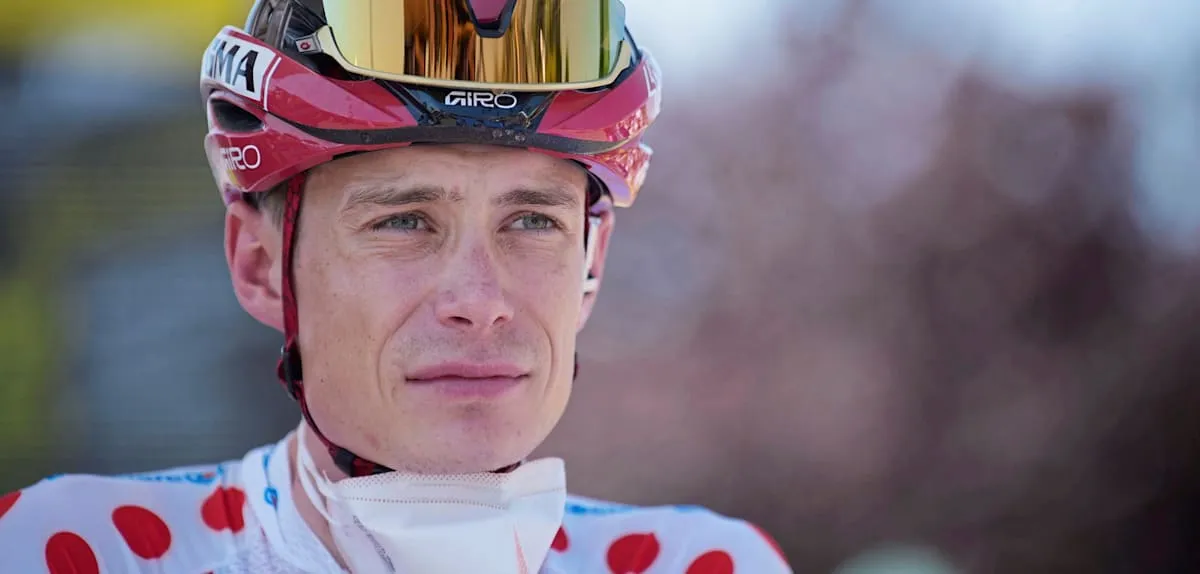
Paris — A horrific crash involving elite cyclist Jonas Vingegaard during a crucial stage of the 2026 Tour de France has ignited widespread outrage and fierce debate among top athletes concerning the "inhumane" implementation of nocturnal doping controls. This tragic incident, occurring on Thursday (July 10, 2026) and leading to Vingegaard's withdrawal from the competition, now highlights issues of integrity and rider welfare in the world's most prestigious cycling event.
Vingegaard, the defending Tour de France champion, sustained serious injuries after falling at high speed on a slippery downhill section. Video footage showed him lying on the asphalt, requiring immediate medical attention before being taken to hospital. His condition is reported as stable but requires complete rest, ending his ambition to defend his title.
News of Vingegaard's crash quickly spread, sparking strong reactions from various parties. Many expressed deep concern for rider safety, especially with the increasingly intense competition and challenging routes. Hashtags like #PrayForVingegaard and #TDFSafety dominated social media timelines hours after the incident.
However, this incident is not solely about the crash. Behind the spotlight on Vingegaard's injuries, deep disappointment also emerged from fellow professional cyclists. They openly criticized doping control policies often conducted during night rest hours, even in the early morning.
Several cycling stars, who chose to remain unnamed to maintain relations with racing authorities, voiced their complaints. "This is a shameful and disrespectful act against our privacy and need for rest," stated a top rider known for his rivalry with Vingegaard, referring to the sudden midnight doping checks. Disruptive testing during crucial sleep time is considered detrimental to athletes' physical and mental recovery.
In a statement released through his team, Jumbo-Visma, Jonas Vingegaard himself expressed his frustration. "I am very disappointed to have to end the Tour de France this way," he said, as quoted in the statement. He added, "I hope this incident can be a momentum to review safety protocols and also practices that affect rider welfare, including doping controls that disrupt rest."
Doping control is a cornerstone of sports integrity, designed to ensure fair and clean competition. However, invasive implementation, particularly when riders are resting after long and exhausting stages, has long been a point of friction. This issue is increasingly relevant given the extreme physical demands of professional cycling.
This debate raises significant questions about the balance between strict anti-doping surveillance and riders' right to adequate rest. Critics argue that sleep disturbances caused by nocturnal doping controls can actually jeopardize rider performance and safety on the track, rather than enhancing sportsmanship.
The incident involving Vingegaard and the wave of protests accompanying it are expected to prompt the International Cycling Union (UCI) to review its doping control regulations and procedures. Riders and teams are calling for a more humane approach that considers athletes' biological rhythms.
Similar controversies have been voiced by other riders. Tadej Pogacar, Vingegaard's fierce rival, previously also expressed his annoyance over the accident that befell Vingegaard, describing how brutal the Tour de France can be. You can read more in our article: Pogacar Murka: Kecelakaan Vingegaard Ungkap Kejamnya Tour De France.
This event serves as an important reminder for all stakeholders in the cycling world that athlete safety and welfare must remain a top priority amidst intense competition and regulatory demands.