 Gabriella
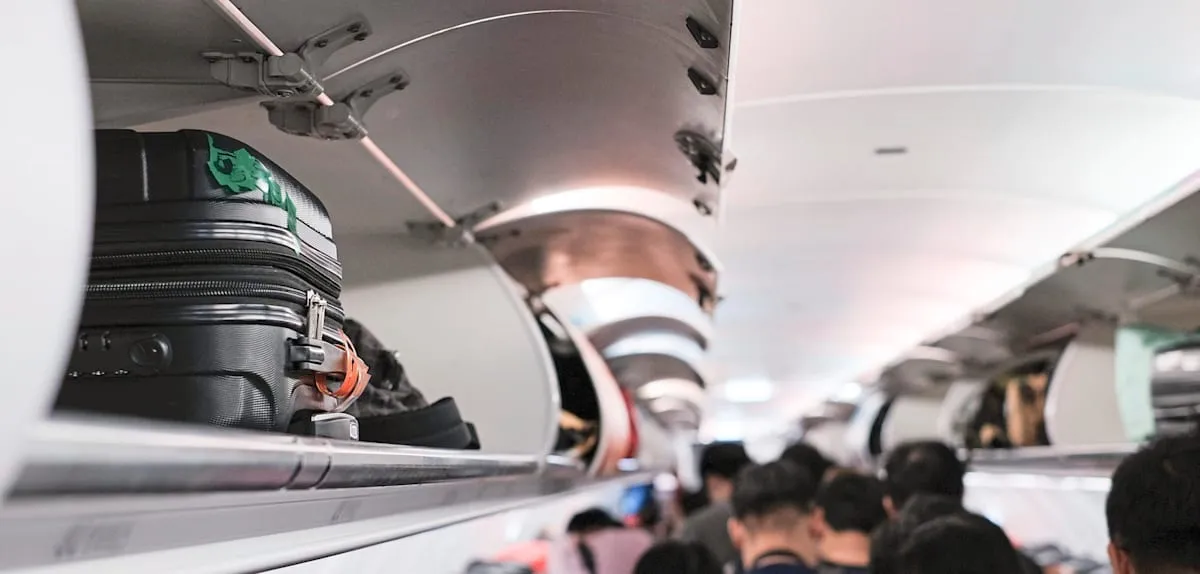
JAKARTA — The modus operandi of theft syndicates operating inside aircraft cabins is becoming increasingly sophisticated and alarming, now even targeting business class passengers on long-haul flights. Recent reports indicate a significant increase in cases of valuable items disappearing from overhead storage compartments, suggesting organized groups systematically operating on the most popular international flight routes in 2026. These criminals exploit passenger complacency and trust in airline security.
The rising frequency of these theft incidents raises serious concerns for airlines and global security authorities. Security, previously considered paramount in the business class segment, has now become a new vulnerability for syndicates to carry out their actions. Passengers paying more for extra privacy and comfort ironically become easy targets as they often carry more valuables and tend to be less vigilant.
These theft syndicates reportedly operate with a structured workflow. They often work in small groups with clear roles. One member might act as a distraction, while another busies themselves searching bags in the overhead compartments, and a third member is ready to receive stolen goods for concealment or transfer. They are adept at exploiting moments when passengers are asleep, going to the lavatory, or enjoying in-flight entertainment.
Long-haul flight routes, especially those connecting major cities in Europe, Asia, and America, are prime targets. The long duration of flights provides ample time for perpetrators to conduct their operations undetected. The crowded environment of an aircraft, even in business class, also makes it easier for them to camouflage their movements and avoid suspicion.
The most frequently targeted items include large sums of cash, jewelry, luxury watches, portable electronic devices such as laptops and tablets, as well as passports and important documents. The losses incurred by victims are not only financial but also cause psychological trauma and bureaucratic inconvenience, especially if travel documents are lost.
Various global airlines have begun to intensify warnings to passengers regarding this threat. In-flight announcements often remind passengers not to leave valuables in overhead compartments or to keep them under constant supervision. However, the effectiveness of these preventive measures remains a subject of debate as theft figures continue to rise.
Aviation security experts highlight the importance of passenger education and increased vigilance. “Passengers must understand that the aircraft cabin, like any other public place, is not immune to crime,” said an unnamed security analyst. “Especially in business class, the assumption of higher security often backfires.”
International law enforcement authorities are also urged to enhance coordination and intelligence sharing regarding these cross-border theft syndicates. The identification and apprehension of perpetrators require cross-national cooperation given the transnational nature of the crime. This phenomenon underscores the importance of legal reforms capable of treating dangerous criminals with special measures to deter them from repeat offenses. This aligns with calls for stricter handling of dangerous criminals, similar to discussions on legal reforms for dangerous criminals.
Passengers are advised to always carry personal valuables such as wallets, mobile phones, and passports in small bags that can be placed under the seat or kept within physical reach. Using small locks on carry-on bags can also serve as a deterrent, though it does not fully guarantee security.
These theft incidents also prompt airlines to re-evaluate cabin security procedures and the potential for increased surveillance by cabin crew. Special training for flight attendants to detect suspicious behavior may be necessary to anticipate criminal acts before they occur.
With the increasingly sophisticated modus operandi of air crime, collective vigilance is key. Both passengers and airlines have a vital role in creating a safer flight environment from the threat of theft syndicates. Protection of passenger assets and comfort must be a top priority in the global aviation industry amidst this challenge.