 Gabriella
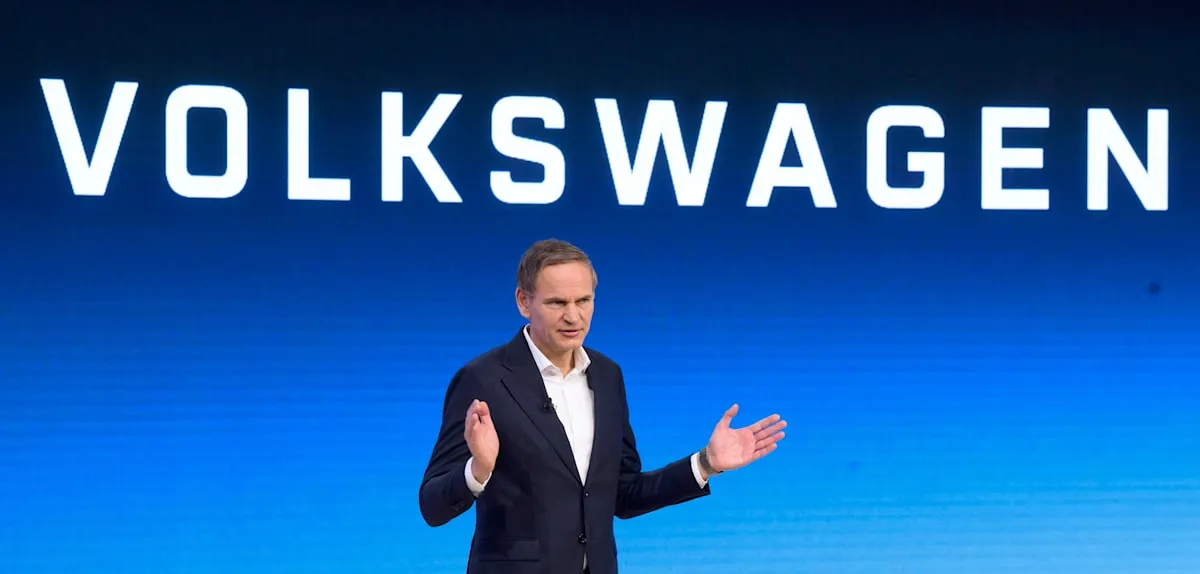
Wolfsburg – Volkswagen (VW) Chief Executive, Oliver Blume, has unveiled a challenging and ambitious vision amidst global turbulence: to achieve a record profit margin of nine percent and sell nine million vehicles by 2030. This declaration comes as the German automotive giant grapples with a profound crisis, including internal restructuring and significant employee reductions.
This bold move underscores VW's commitment not only to survive but to thrive in a volatile industry landscape. The strategic targets were presented by Blume in an internal forum, highlighting the urgency of fundamental changes in the company's operations.
The crisis gripping Volkswagen is not merely a temporary shock. The company faces a series of complex challenges, ranging from global supply chain disruptions, a massive transition to electric vehicles (EVs), to fierce competition from new market players. The global macroeconomic conditions in 2026 also remain shrouded in uncertainty, adding pressure on production and sales targets.
Job cuts have become an integral part of VW's restructuring strategy. This measure is being undertaken to enhance operational efficiency and adapt the company's structure to changing needs in the digital and electrification era. Although painful, management views it as a prerequisite for achieving the necessary agility.
Blume emphasized that the goal of nine million vehicle units is more than just a number. It reflects an aggressive market expansion, particularly in the increasingly competitive electric vehicle segment. Substantial investments in battery technology and software research and development are key pillars supporting this target.
The achievement of a nine percent profit margin indicates strenuous efforts in cost optimization across every production and administrative line. Efficiency, according to Blume, will be attained through vehicle platform standardization, synergy among brands under the VW Group umbrella, and comprehensive digitalization of business processes.
However, the path to 2030 will not be smooth. Volkswagen must navigate an increasingly stringent emissions regulatory landscape, fluctuating raw material prices, and evolving consumer expectations. The success of this strategy heavily depends on the company's ability to innovate relentlessly and adapt quickly.
Automotive industry analysts have greeted this announcement with a mix of optimism and skepticism. Blume's ambitions are considered high, but the implementation challenges are equally formidable. Some parties question how VW will balance the need for radical innovation with maintaining employee loyalty amidst waves of layoffs.
Historically, Volkswagen has proven its resilience in facing various storms, from emission scandals to economic pressures. However, the scale of transformation required today is far greater, demanding firm leadership and precise execution. Intense competition from Chinese and American EV manufacturers, such as BYD and Tesla, also adds to market complexity.
This strategy is not just about financial figures, but also about reshaping Volkswagen's identity as a key player in the future of global mobility. The success of this strategy will serve as a benchmark not only for VW but for the entire automotive industry, which is undergoing its largest revolution in history.
Editorial Insight: Oliver Blume's vision for Volkswagen in 2030 is clearly a significant gamble. Combining massive growth ambitions with workforce reductions is a high-risk strategy demanding perfect execution. If successful, VW will solidify its position as a global automotive powerhouse in the era of electrification. However, if it stumbles, the consequences could severely impact the company's reputation and stability, potentially triggering social unrest due to layoffs. The journey to 2030 will be a true test of Blume's leadership and Volkswagen's adaptability.