 Chandra Wijayanto
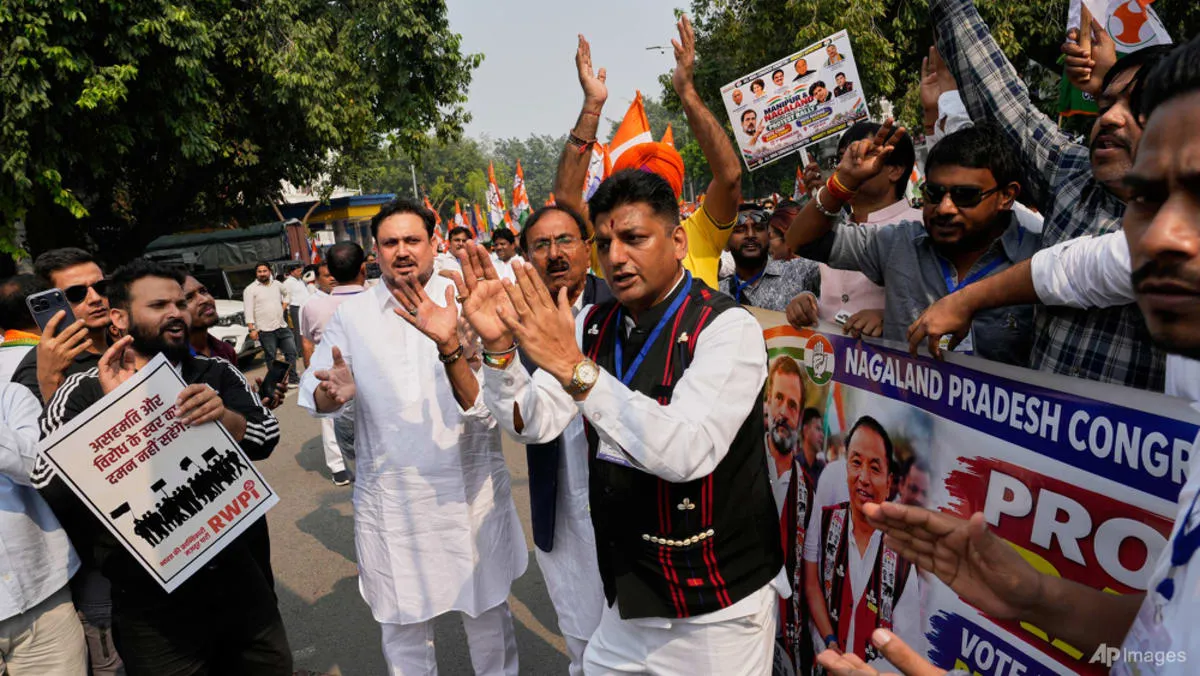
NEW DELHI – Thousands of Indians flooded the streets on Sunday (November 1, 2026), joining a wave of opposition protests demanding the resignation of the Chief Election Commissioner. This massive demonstration culminates over a month of rallies consistently challenging Prime Minister Narendra Modi's leadership and the integrity of democratic processes in the world's most populous nation.
This organized mass action, involving various opposition factions, centers on sharp criticism against India's highest election official. They accuse the office of potential bias and a failure to maintain the neutrality crucial for the foundations of India's constitutional democracy. The primary demands revolve around accountability and transparency in the upcoming general elections.
Protesters, comprising diverse segments of society, voiced deep disappointment with the country's political direction. Banners and posters carried not only articulated demands concerning the Chief Election Commissioner but also criticisms of economic policies, social justice issues, and alleged authoritarian practices attributed to the Modi administration.
Political tensions in India have indeed escalated in recent years. The Bharatiya Janata Party (BJP) government under Narendra Modi, despite enjoying widespread support, also faces significant resistance from a united alliance of opposition parties. They frequently highlight issues of civil liberties, pluralism, and the centralization of power.
The demand for the Chief Election Commissioner's resignation is not new in India's dynamic political history. However, the frequency and scale of these latest protests indicate a growing intensity of opposition resistance. They argue that the presence of a perceived non-independent election chief could fundamentally damage public trust in the electoral system.
According to several political analysts, this movement also reflects the opposition's effort to build a cohesive narrative ahead of the next general elections. By targeting the Chief Election Commissioner, they hope to draw public attention to systemic issues and mobilize broader support.
Similar protests fueled by dissatisfaction with authority have been observed in various parts of the world. In South Asia, for instance, garment worker protests in Bangladesh some time ago also sparked violence and ultimately led to the formation of a wage board after a strong wave of demonstrations. This demonstrates how public pressure can influence policy and leadership. Read more about garment worker protests in Bangladesh.
The Indian government, through its spokesperson, has previously affirmed its commitment to fair and transparent democratic processes. They state that election institutions operate independently and that the opposition's accusations are unfounded, serving as mere political maneuvers. However, these statements have yet to quell the wave of discontent on the streets.
This situation places Prime Minister Modi under significant political pressure. Although his popularity remains high among his supporters, the massive rejection from the opposition bloc demands a strategic response to maintain the country's political stability, especially with various global challenges facing India.
Constitutional law experts also underscore the importance of safeguarding the integrity of every state institution, particularly electoral bodies, which are pillars of democracy. The credibility of the electoral process depends not only on rules but also on public perception of the neutrality of its administrators.
This wave of protests warrants close observation as an indicator of India's simmering internal political dynamics. How the Modi government addresses the opposition's demands, and whether this leads to reform or confrontation, will significantly determine the future direction of Indian democracy.
Editorial Insight:
The massive protests in India demanding the Chief Election Commissioner's resignation highlight the vulnerability of democracy amidst political polarization. This demand is not merely about personnel change but reflects fundamental concerns over the integrity of a vital institution. Should the government fail to respond constructively, this unrest could erode public trust and trigger broader instability, providing an opening for anti-democratic narratives from various quarters.