 Debby Wijaya
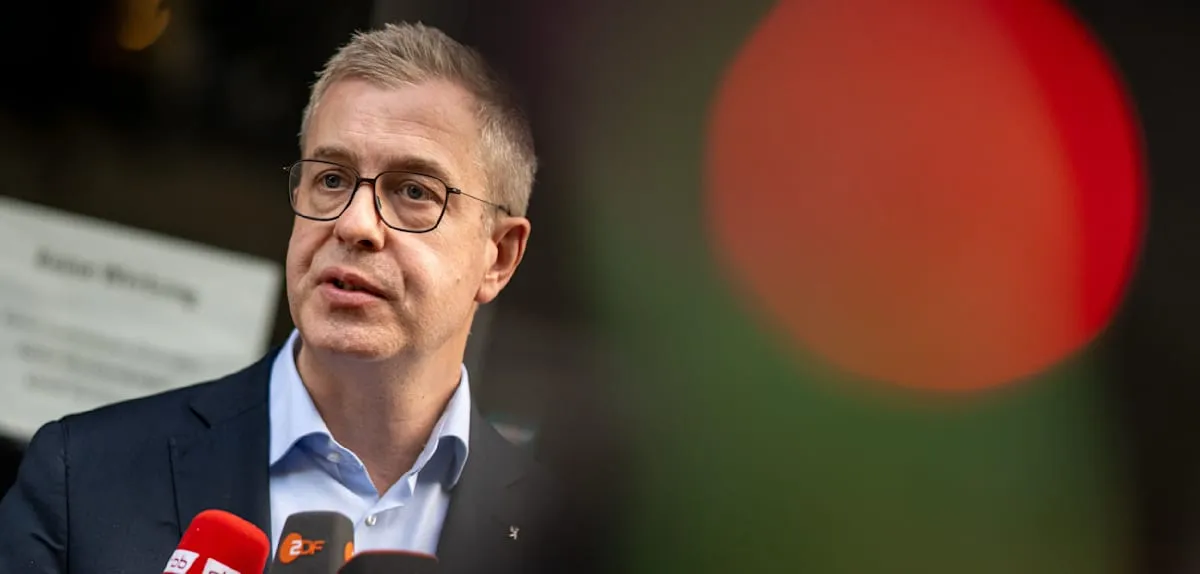
Berlin — The political landscape of the German capital is once again in flux after Finance and Culture Senator Stefan Evers was nominated as the prospective successor for the position of Regierender Bürgermeister (Governing Mayor) of Berlin. This nomination follows the surprising withdrawal of current Governing Mayor Kai Wegner (CDU) from the upcoming election race. This strategic move marks a crucial phase in the leadership of Berlin's CDU as the 2026 general election approaches.
Wegner's withdrawal, who currently heads the city government, was an unexpected decision that immediately sparked widespread discussion. He has led the ruling coalition through a challenging period, and his decision has fueled speculation about the future direction of Berlin's politics.
Internal sources within the Christian Democratic Union (CDU) hinted that Wegner's decision was based on a desire to create space for internal party consolidation. This move aims to prepare a fresh leadership figure, seen as a strategic effort to strengthen the party's position ahead of the increasingly imminent and competitive general election.
In this context, Stefan Evers emerged as a central figure. Evers is not a new face in Berlin's political arena. He has built a significant track record during his tenure as Finance and Culture Senator, demonstrating his capability in effectively managing two vital sectors of the capital.
Evers's track record in the Berlin Senate reflects robust competence. His experience in managing the city's budget and his dedication to advancing the cultural sector provide him with a strong foundation. This makes him a logical and experienced choice for the CDU to lead the party in the crucial election.
This nomination affirms the party's full confidence in Evers's capacity to shoulder significant responsibility. The role of Regierender Bürgermeister demands not only reliable managerial skills but also progressive leadership vision to address Berlin's complex urban challenges.
Political analysis indicates that this decision is also an adaptive response by the CDU to evolving voter preferences. The party seeks to present a face that can attract broad support from various segments of Berlin society, including younger generations and professional groups who are increasingly demanding change.
This leadership transition will be a significant test for the CDU's solidarity. The party must ensure that the succession process proceeds smoothly and does not create internal friction that could harm its electability. Internal consolidation and transparent communication are key.
The challenges awaiting Evers as a prospective leader are substantial. Berlin continues to grapple with pressing issues such as the chronic housing crisis, social integration, ambitious environmental sustainability goals, and post-pandemic economic revitalization. Strong and adaptable leadership is critically needed.
The 2026 election for Regierender Bürgermeister of Berlin is predicted to be one of the most fiercely contested political arenas in Germany. With Evers's nomination, the CDU has placed its strategic piece on the capital's political chessboard.
Previous related articles have discussed how Stefan Evers is projected to lead the Berlin CDU in the crucial 2026 election. This highlights the importance of the strategic position he now holds within the party's leadership structure.
Furthermore, speculation about the CDU's political future in Berlin has intensified following Wegner's withdrawal, positioning Evers as the frontline candidate. This development indicates that the succession process has been carefully planned and meticulously calculated.
Political observers will closely monitor how Evers builds his campaign momentum. He needs to articulate a clear vision and a convincing work program to assure constituents that he is the right leader to guide Berlin towards a more stable and prosperous future.
Final confirmation regarding Evers's official candidacy still awaits further endorsement from the relevant internal party structures. However, the existing signals are very strong, indicating that he is the agreed-upon choice to lead the CDU's campaign in Berlin.
Berlin's local political dynamics often serve as an important indicator for national trends in Germany. Therefore, these developments in Berlin will be closely watched not only by city residents but also by the entire political spectrum in Germany and Europe.