 Gabriella
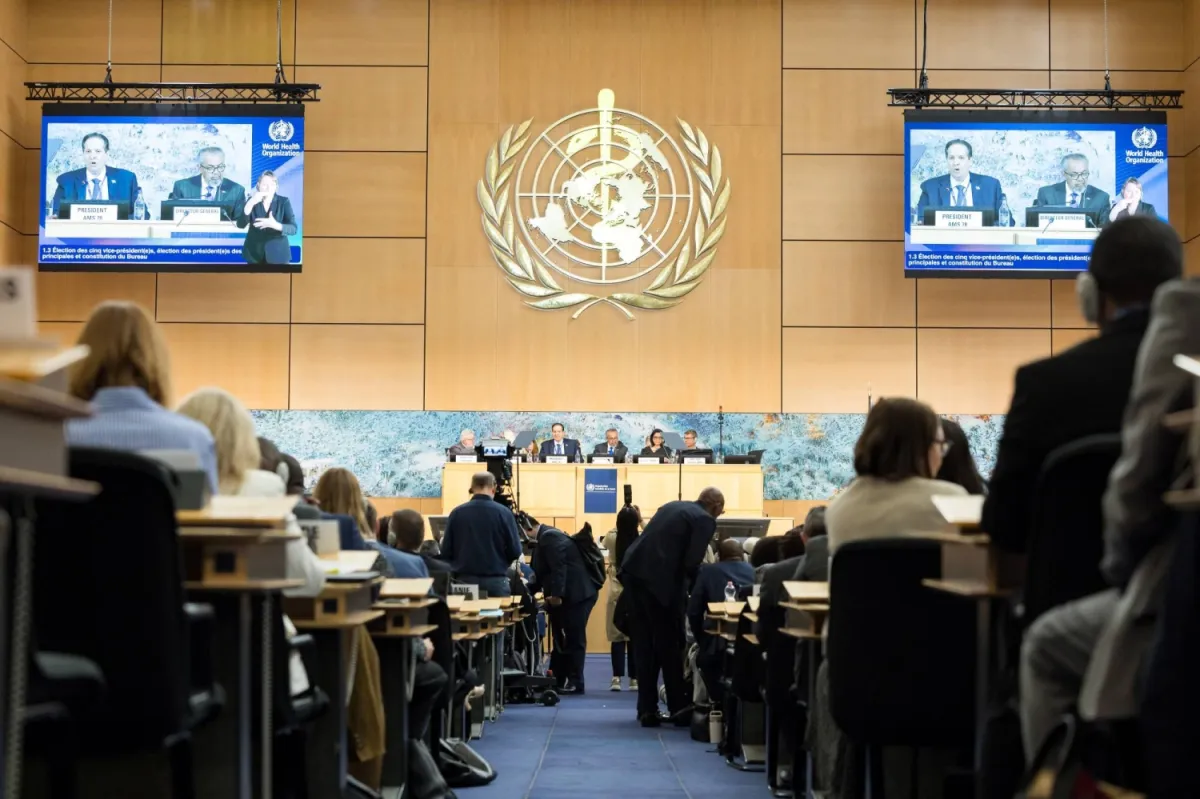
Geneva – The World Health Organization (WHO) recently issued a stark warning about the increasingly serious threat of antimicrobial resistance (AMR) to global health. WHO officials stated that progress in prevention, diagnosis, and the appropriate use of antibiotics remains too slow. This situation impedes the achievement of crucial global targets, potentially triggering a more severe health crisis in 2026 and beyond.
Antimicrobial resistance occurs when microorganisms like bacteria, viruses, fungi, and parasites evolve and no longer respond to the drugs designed to kill them. This phenomenon, often referred to as 'superbugs,' makes common infections difficult or even impossible to treat, increasing the risk of disease spread, severity, and death.
The impact of rising AMR is extensive. Without effective antibiotics, routine medical procedures such as surgeries, organ transplants, and chemotherapy become highly risky. Healthcare costs will soar dramatically due to longer hospital stays and the need for more expensive medications.
One crucial point highlighted by WHO is the slow improvement in preventive measures. Poor hygiene infrastructure, lack of access to vaccines, and inadequate sanitation practices continue to provide gaps for infection spread. Furthermore, rapid and accurate diagnosis to identify resistant pathogens is still uneven across many regions, delaying effective interventions.
Inappropriate use of antibiotics, both in human health and agriculture sectors, is a primary driver of resistance. Often, antibiotics are prescribed for viral infections that do not require them, or patients do not complete the full dosage, allowing stronger bacteria to survive and multiply. Public awareness campaigns about the importance of judicious antibiotic use have not yet reached optimal targets.
The international community has set various ambitious targets to combat AMR, including enhanced surveillance, the development of new antibiotics, and investment in research. However, according to WHO, member states have not demonstrated sufficient collective commitment to meet these deadlines, putting billions of lives at risk.
This warning is not the first issued by WHO. For several years, this global health organization has consistently highlighted AMR as one of the greatest threats to global health and development. However, the global response remains fragmented and has not reached the necessary scale.
Solving the AMR crisis requires strong international coordination. Every country has a vital role in strengthening their health systems, investing in research and development, and implementing policies that promote responsible antimicrobial use. The role of member states in infection control efforts is also vital, as demonstrated by Singapore leading the global fight against infections and being designated a WHO collaborating center.
Given the urgency of the situation, WHO calls for accelerated implementation of the Global Action Plan on AMR. This includes greater investment in research and development of new antibiotics and vaccines, strengthened surveillance systems, and comprehensive public education. Without decisive and collective action, the world risks returning to a pre-antibiotic era, where even simple infections can be fatal.
Editorial Insight: WHO's warning underscores the world's collective failure to address this escalating threat. Antimicrobial resistance is not merely a medical problem but a complex socio-economic crisis. Tackling AMR requires a 'One Health' approach integrating human, animal, and environmental health. Delays now will exact a far greater cost in the future, both in terms of lives and economic losses. It is crucial for every government to not only acknowledge this threat but also allocate significant resources for tangible actions, not just rhetoric.