 Dodi Irawan
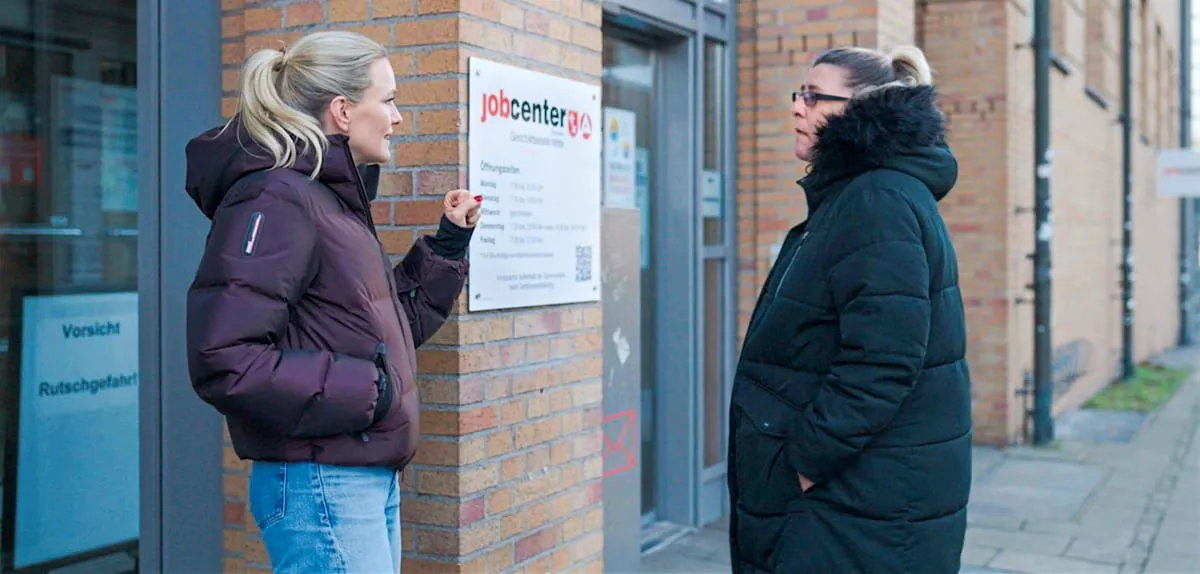
BERLIN — Prominent German ZDF television journalist, Sarah Tacke, has been subjected to extreme online verbal abuse, including being called a 'Nazi-Schlampe,' following the broadcast of her controversial documentary on the Buergergeld social welfare system. The incident comes amidst a wave of sharp criticism directed at her coverage, accusations she vehemently denies.
Intense criticism befell Tacke after the documentary aired, sparking a fierce debate regarding the representation of Buergergeld recipients. Instead of succumbing to pressure, Tacke publicly rejected accusations of bias, asserting that her team conducted in-depth research and provided rare insights into the realities behind the state aid system.
The ZDF documentary aimed to present a comprehensive picture of Buergergeld, the benefit scheme that replaced Hartz IV. Tacke and her team claimed to have explored often-overlooked perspectives, offering a more nuanced view of the challenges and realities faced by aid recipients in Germany.
However, these good intentions clashed with a highly polarized public reaction. Some circles deemed the documentary unbalanced, tending to highlight negative aspects or even reinforce stigmas against individuals relying on social benefits. These accusations quickly spread across social media platforms, creating a digital storm.
Responding to the allegations, Tacke affirmed, "Our research has enabled rare and hard-to-obtain insights. We strive to present facts objectively." Her statement underscores her commitment to the principles of independent and data-driven investigative journalism.
The online harassment she received, particularly the use of the term 'Nazi-Schlampe,' is not only a personal attack but also a worrying indication of the current climate of public debate in Germany. Such hateful epithets highlight how quickly criticism can devolve into baseless personal attacks and slander.
The Buergergeld debate itself has remained one of Germany's most sensitive political issues in 2026. The scheme, launched to provide a more comprehensive social safety net, is continuously scrutinized for its effectiveness, cost, and potential for abuse, by both conservative and progressive factions.
This incident also raises serious questions about the safety and freedom of journalists in carrying out their duties, especially when covering topics that ignite public emotion. Online threats and harassment can silence important voices and hinder critical and in-depth reporting.
Press freedom advocates and media organizations are calling for stronger protections for journalists. They emphasize that credible journalism is a pillar of democracy, and attacks of this nature undermine that foundation.
Tacke's case adds to a growing list of journalists facing online bullying in Europe, a trend that threatens the integrity of news reporting. It compels the media industry to contemplate the best strategies for supporting their staff amidst an increasingly hostile digital environment.
The German government has repeatedly expressed its concern over the spread of hate speech online. The attack on Tacke serves as a bitter reminder that further action is needed to maintain a healthy public sphere and respect for differing opinions.
Healthy public debate requires tolerance for diverse viewpoints. Sarah Tacke's case, much like past debates surrounding other government programs such as the baby benefit program deemed unconstitutional, demonstrates that polarization can easily erode the boundaries of civilized discussion.
Through her steadfast stance, Sarah Tacke has indirectly become a symbol for many other journalists who dare to speak truth amidst pressure. This incident, rather than silencing her, has only strengthened Tacke's commitment to journalistic integrity and public enlightenment. She asserts that such pressure will not sway her dedication to continue delivering accurate and balanced reporting.
AfD Program Deemed Unconstitutional, Baby Benefit Triggers Legal Controversy