 Dorry Archiles
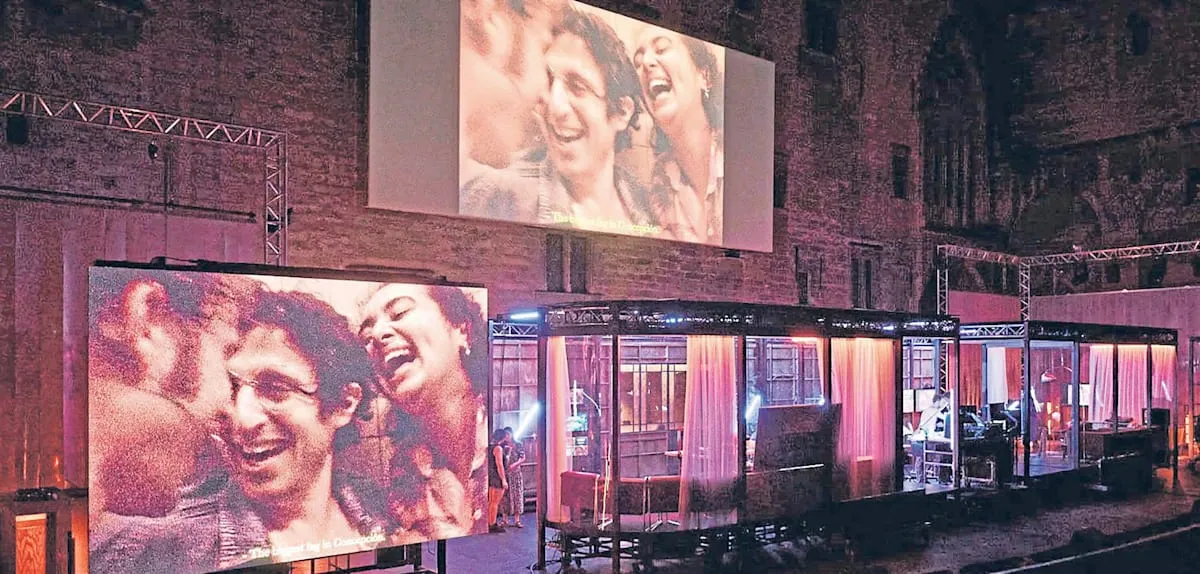
AVIGNON — The Avignon Theatre Festival 2026 has once again stirred the global art scene with performances brutally testing the limits of audience tolerance and sensitivity. Some critics and art enthusiasts even felt the urge to “flee” from artistic experiences laden with violence, evil, and catastrophe, sparking a serious debate about the essence and purpose of contemporary art. These performances in the cultural city of France, taking place throughout July 2026, highlight artists' obsession with the dark side of human existence, while challenging the public to re-evaluate the meaning of aesthetic boundaries.
This phenomenon is not new, but in this edition, its intensity feels more profound. A big question hangs in many minds: Are today's theatre makers truly obsessed with evil, violence, and catastrophe? Or are they, instead, reflecting the increasingly complex and brutal realities of the world through the stage medium?
Since its opening earlier this month, several shows have generated waves of heated discussion. Explicit scenes depicting physical violence, psychological damage, and social destruction dominate the narratives, leaving audiences seemingly no room to breathe. Renowned art critic, Dr. Elisa Moreau, stated, “Art should provoke, but there is a fine line between provocation and emotional torture. In Avignon, that line seems increasingly blurred.”
Audience responses varied. Some appreciated the artistic courage and honesty, seeing it as an honest mirror of reality. However, many also felt alienated, even experiencing physical discomfort, leading them to leave the theatre before the performance concluded. This phenomenon of “flight” is a strong indicator that there is a saturation point in the consumption of overly dark and disturbing performances.
The Avignon Festival, a beacon of global performing arts since 1947, has always been known as a platform for experimentation and innovation. However, the dominant narrative in 2026 seems to lead audiences into a much darker territory compared to previous editions. This also raises questions about the festival's role in guiding the direction of contemporary art.
Several directors and artists whose works were staged at the festival argue that their goal is to open the audience's eyes to aspects of life often avoided. “We do not intend to torture, but to force reflection,” said Antoine Dubois, a young director whose work has been heavily criticized for its violence. “This world is full of horrors, and theatre has a responsibility not to turn a blind eye to them.”
However, this philosophy faces challenges. Some artists and academics argue that art also has a duty to offer hope, beauty, or at least catharsis, not just exposure to trauma. They worry that the accumulation of violent representations could desensitize audiences or even glorify, rather than enlighten.
This debate is not only relevant to the art world. In the global context of 2026, marked by various conflicts and crises, from escalation in the Middle East to political instability in various countries, Avignon's performances seem to be a metaphor for a tense world. This reminds us of the cultural challenge to confront reality, as reflected in reports on Pizzaballa: Peace is Only Culture, Middle East Trapped in Endless Crisis 2026 or Wave of US-Iran Escalation Explodes: Middle East Boils Again in 2026.
The effects of this trend may be felt in subsequent global art festivals. Will other festivals follow Avignon's path of exploring increasingly extreme boundaries, or will there be a pushback towards more balanced representations? This is a crucial question for the future of performing arts.
The Avignon Theatre Festival 2026, with all its controversies, has successfully ignited an unavoidable discussion. Whether as criticism, reflection, or mere experimentation, the performances in Avignon reassert art's role as an arena for the clash of ideas, emotions, and perceptions, forcing us all to re-examine what we truly expect from an artistic experience.
Ultimately, audience response is the most honest indicator. The desire to “flee” is not merely a rejection of art, but perhaps a reflection of human capacity to absorb horror. This raises questions about the extent of artists' responsibility for the psychological well-being of their audience.
Avignon's boldness in showcasing such works also reflects Europe's continually shifting cultural landscape. Simultaneously, phenomena like Nonna Maxxing 2026 indicate a need for tranquility and authenticity, which might be an antithesis to the unrest offered by some Avignon performances.
Regardless of the debate, the Avignon Festival 2026 will be remembered as an edition that dared to go further, pushing the boundaries of artistic expression, and forcing the world to confront an often uncomfortable mirror.