 Edward DP Situmorang
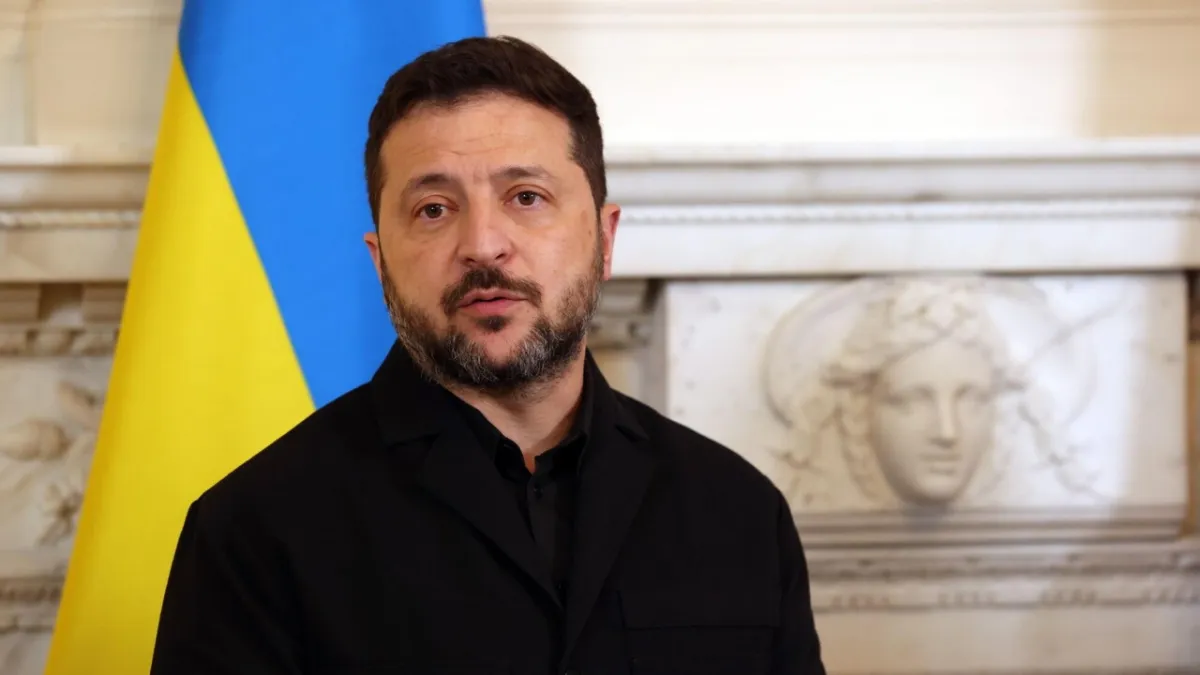
KYIV – Ukrainian President Volodymyr Zelensky has declared his readiness to resume attacks on oil refineries within Russian territory. This announcement coincides with reports from Ukrainian media stating that the Starlink satellite internet service has returned to full functionality after a disruption. This situation reignites conflict tensions and simultaneously triggers sharp comments from SpaceX CEO, Elon Musk.
According to the *Financial Times*, Zelensky explicitly stated that offensive operations against Russian oil infrastructure would be intensified. This represents a strategic response from Kyiv to pressure Moscow amidst the prolonged invasion. Previous attacks have inflicted significant losses on Russia's energy production capacity.
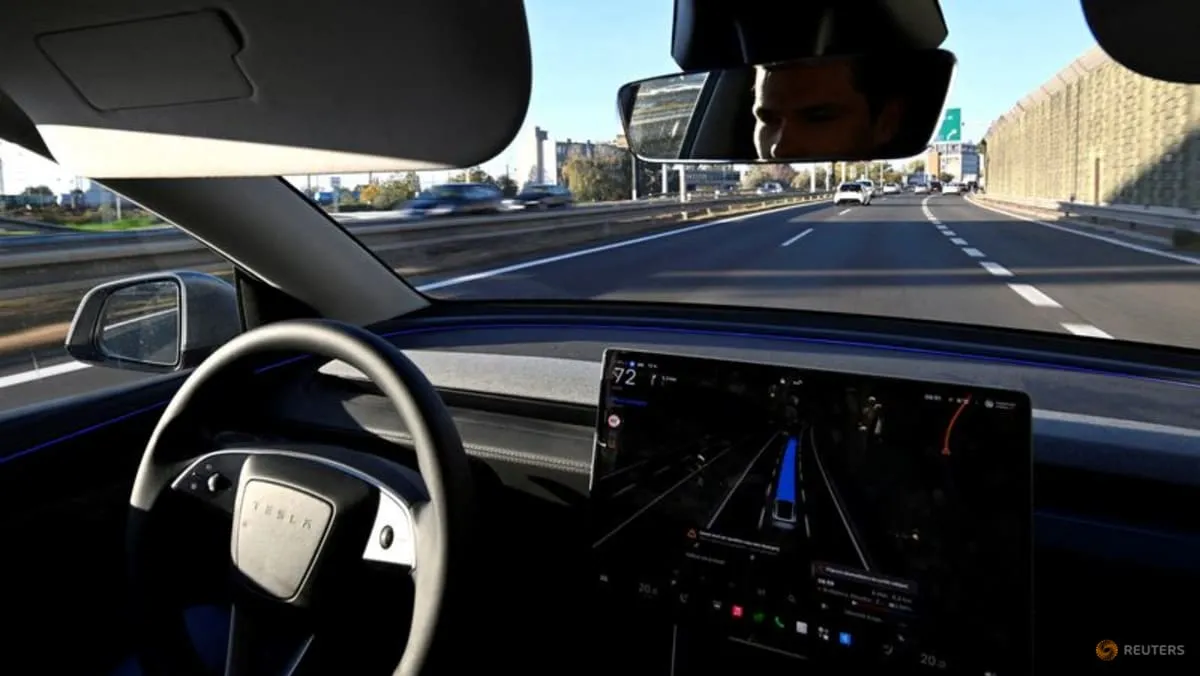
Reports from various Ukrainian media outlets confirmed that the stop is over for Starlink services. This restoration is vital for Ukraine's communication and military command capabilities, given their reliance on the satellite network for coordination on the battlefield. Earlier incidents of Starlink service disruption had caused serious concerns among Ukrainian military and government officials.
However, amidst Zelensky's firm statements, Elon Musk launched scathing criticism. The technology entrepreneur expressed his view that it is time for the Ukrainian president to leave, a comment with the potential to spark waves of diplomatic debate and public support. This is not the first time Musk has made controversial comments regarding the conflict in Ukraine.
Ukraine's decision to target Russian oil refineries is not without risk. The Kremlin is likely to respond with more intensive retaliatory strikes against Ukrainian civilian or military infrastructure. However, for Kyiv, this is part of an enemy economic disruption strategy, hoped to weaken Russia's war capacity.
Starlink, operated by Elon Musk's SpaceX, has been the backbone of Ukrainian communication since the conflict began. This system allows Ukrainian forces to stay connected, even in areas with destroyed communication infrastructure. Therefore, its functional recovery is a substantial moral and tactical boost.
In this year 2026, the dynamics of the conflict in Eastern Europe are becoming increasingly complex. The role of non-state actors such as Elon Musk and his technology companies is becoming more crucial, sometimes directly or indirectly influencing the course of the conflict. Musk's comments reflect a tension between technological support and political ambition.
The threat of attacks on Russian oil refineries also has the potential to affect global energy markets. Oil price increases could occur if supplies are disrupted, adding economic pressure on many countries. Global energy crises have been a major issue in previous years, and this escalation could repeat a similar scenario.
The Ukrainian government asserts that their attacks are a legitimate response to Russian aggression. They argue that energy infrastructure is a valid military target because it supports the logistics and funding of Russia's war efforts. This aligns with modern warfare principles targeting the enemy's economic capabilities.
Although Starlink is fully operational again, Musk's statement may raise questions about the stability of technological support in the future. Ukraine's reliance on private technology highlights certain vulnerabilities that must be considered in the long term.
Conditions on the battlefront remain tense. In several regions such as Kherson, civilians continue to strive to maintain normalcy amidst constant drone threats, as reported in the article Kherson Berdenyut: di Tengah Ancaman Drone, Warga Pertahankan Normalitas. This escalation of oil refinery attacks is certain to add complexity to the humanitarian situation.
The international community will closely monitor these developments. Reactions from Ukraine's allies, especially NATO member states, will be an important indicator of how they interpret this escalation of attacks and its implications for regional stability.
Editorial Insight: Ukraine's decision to resume attacks on Russian oil refineries, backed by Starlink's restoration, marks a new phase in its war strategy. This step, though risky, demonstrates Kyiv's resolve to maintain economic pressure on Moscow. However, Elon Musk's comments add a layer of complexity, highlighting the ambiguous role of non-state actors and technology in contemporary geopolitical conflicts. This is not merely a military confrontation but also a war of information and economics, where every statement and system recovery carries significant strategic impact.