 Chris Robert
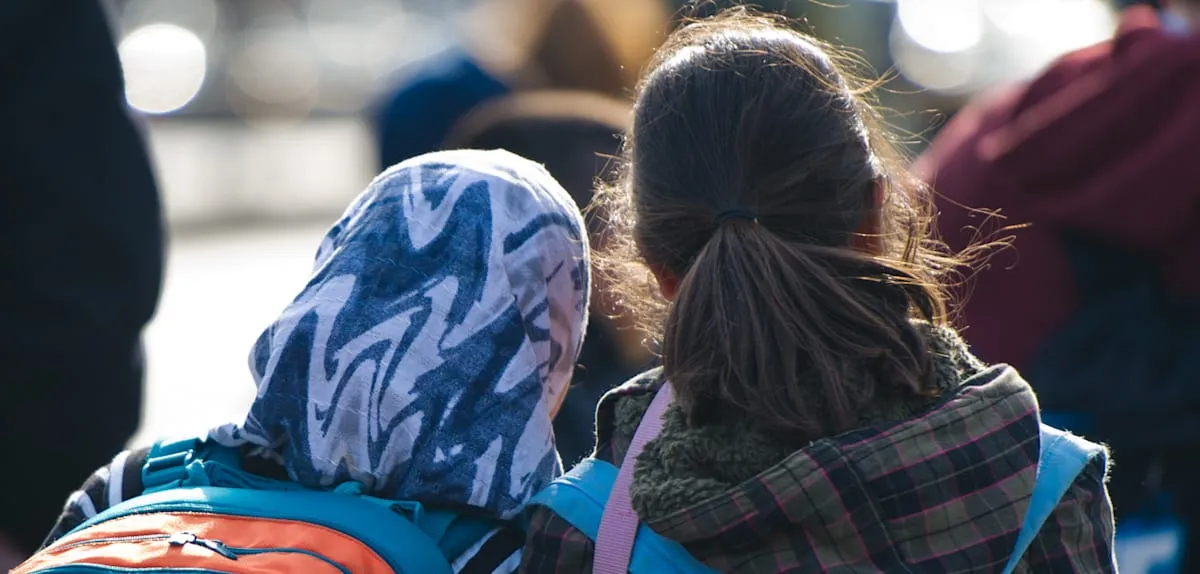
ZURICH – The Zurich Cantonal Parliament in Switzerland has controversially decided to impose a ban on headscarves for female teachers and students in all public educational institutions. The decision, passed by a narrow vote of 87 to 82 in 2026, now tasks the regional government with formulating a constitutionally compliant regulation, triggering a wave of intense debate over religious freedom and the principle of state neutrality.
The vote, held amidst tense public opinion, reflects deep polarization within Swiss society regarding identity and integration. Members of parliament supporting the ban argued that this step is essential to ensure neutrality and equality in schools, ensuring no dominant religious symbols are present.
Opponents, comprising a progressive coalition and representatives of minority communities, firmly stated that this ban constitutes a violation of fundamental human rights, particularly religious freedom guaranteed by the constitution. They highlighted that such a ban could deepen discrimination and isolate certain segments of society.
The outcome of the Zurich Cantonal Council meeting is not the first time religious attire issues have sparked controversy in Europe. Various other countries have grappled with similar questions, seeking a balance between public secularism and individual rights to express beliefs.
The regulations to be formulated by the Zurich Cantonal government are expected to consider legal and social nuances. This process is projected to involve intensive discussions with various stakeholders, including representatives from the Muslim community and human rights organizations.
Critics worry that this ban could potentially complicate, rather than facilitate, the integration of young Muslim women into society. They argue that schools should be inclusive spaces that celebrate diversity, not restrict it.
On the other hand, proponents of the ban adhere to the view that religious symbols in public spaces, especially in a neutral educational environment, can create pressure or stigma. They emphasize the importance of a learning environment free from visible religious influence.
This decision also has the potential to trigger legal challenges. Several organizations have indicated the possibility of appealing to the federal court if the resulting regulation is deemed to violate constitutional rights.
The impact of this decision is not limited to Zurich. Other regions in Switzerland and European countries may monitor these developments as a potential precedent. The issue of headscarves in public spaces has been a hot topic of debate in the European Union for years.
'This is a significant moment for Zurich,' said a local political analyst. 'It will test the extent to which our society is willing to balance liberal principles with the need for social cohesion.'
The ban targets both teachers and students, differing from some prohibitions in other countries that may apply only to students or staff. This raises questions about the professional impact on Muslim female teachers who wear headscarves.
Switzerland's educational environment is known for its high standards and inclusive approach. However, this decision indicates a shift in the interpretation of these values, now prioritizing visual neutrality.
The Cantonal government now faces the challenging task of developing a legal framework that not only fulfills the parliamentary mandate but also withstands constitutional and social scrutiny. This requires extra caution to avoid further polarization.
Legal experts observe that the definition of 'religious neutrality' in public spaces often remains a gray area in law. This case could become a significant milestone in Swiss jurisprudence regarding the limits of religious expression in state institutions.
The psychological impact on students and teachers accustomed to wearing headscarves is also a concern. This transition can lead to feelings of marginalization or even trauma for some individuals, although the government hopes it will foster integration.
Editorial Insight: The Zurich Parliament's decision to ban headscarves in schools underscores the enduring challenge in modern secular societies to reconcile religious freedom with the principle of state neutrality. While intended to promote equality and cohesion, this move risks deepening divisions and setting a questionable precedent for religious minorities. The future of this regulation will heavily depend on how the Zurich government navigates its legal and social complexities, as well as the response from affected communities. It mirrors a global debate on multiculturalism versus national identity that is far from resolved.