 Gabriella
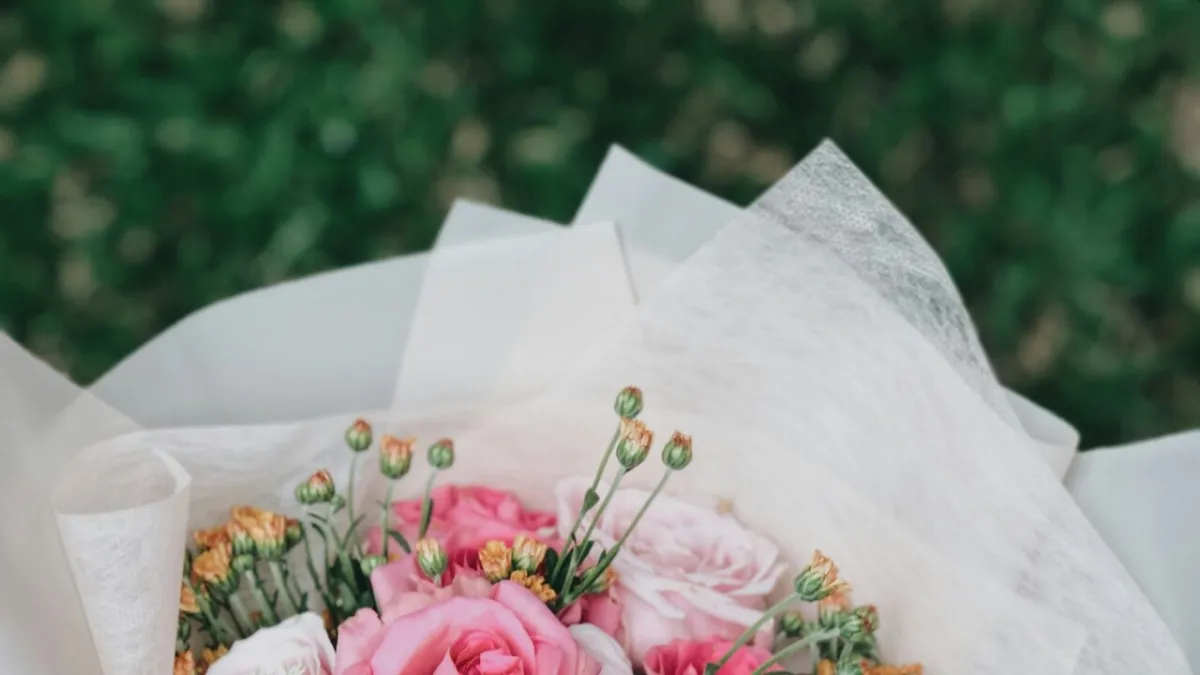
ROME – The global perfume industry entered a revolutionary new era in 2026, thanks to cutting-edge technological breakthroughs allowing fragrance experts to recover and replicate the aromas of long-extinct flowers. This innovation is fundamentally transforming the perfumer's palette, offering a spectrum of scents previously unattainable, even by the wildest imagination.
Researchers in various bio-aroma laboratories worldwide, primarily across Europe and North America, have successfully developed new methodologies combining molecular genetics and advanced 'headspace' technology. This approach enables them to analyze microscopic residues from preserved plants or ancient DNA traces, then reconstruct their specific aromatic compound profiles.
The process involves identifying genes responsible for producing volatile aroma compounds in vanished botanical specimens. Once these genes are isolated, bio-synthetic technology is utilized to reproduce these aroma molecules in a controlled laboratory environment. The result is pure essences of flowers that last bloomed thousands or even millions of years ago.
A leading aroma chemist from the University of Bologna, Dr. Emilia Rossi, stated, 'We are not just recreating scents from the past; we are opening doors to an infinite era of olfactory exploration. This is a revival of lost botanical heritage, a bridge between history and innovation.' Dr. Rossi's statement underscores the profound impact of this discovery on the art of perfumery.
Headspace technology, already familiar in the industry, is now refined to capture and analyze aroma molecules from ancient herbarium specimens or even fossilized resin. With unprecedented precision, these devices can identify highly complex aroma components, then use AI algorithms to decipher and replicate their structures.
The impact of this innovation is already evident in the development of several experimental perfumes showcased at confidential fragrance forums in Paris and Grasse. Critics and veteran perfumers alike have lauded the depth and complexity of these new scents, which are expected to redefine future fragrance trends. Consumers can anticipate richer, more unique sensory experiences.
However, this success has also sparked ethical and philosophical discussions concerning the boundaries of human intervention in nature. Some question the long-term implications of replicating life (in this case, aromas) that have become extinct, even at a molecular level. Yet, proponents argue this is a form of aroma conservation that can enrich human culture.
The industrial-scale utilization of 'bio-mimicry' is predicted to be a major driver of growth in the luxury perfume market. Large corporations are now vying for exclusive licenses to these technological patents, seeing colossal profit potential from unique and unprecedented 'ancient aroma' products.
Beyond enriching fragrance options, this technology also has the potential to provide scientists with new insights into plant evolution and their adaptation to ancient environments. Aromas are not merely aesthetic; they are also crucial keys in ecological interactions and plant self-defense.
In 2026, the global market witnesses a paradigm shift. From simply blending natural and synthetic extracts, perfumers can now work with the 'DNA' of aromas, unlocking limitless new dimensions. This is not just about scent; it is about historical narratives told through the sense of smell.
Editorial Insight: This breakthrough signifies more than just product innovation; it reflects a fundamental shift in humanity's relationship with nature and technology. The commercial potential of these 'ancient aromas' is undoubtedly immense, but discussions regarding the sustainability and ethics of using such technology will intensify. Moving forward, we may see new regulations or industry standards emerge to balance innovation with ecological responsibility.