 Dodi Irawan
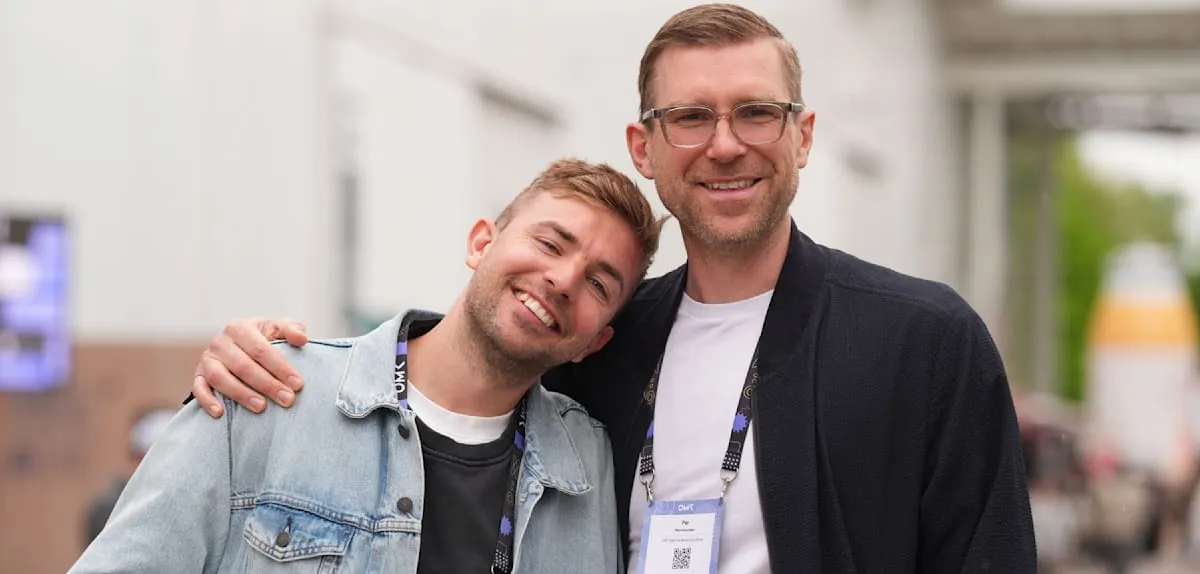
BERLIN — Two of Germany's leading football analysts, Per Mertesacker and Christoph Kramer, are concluding their roles in the Berlin studio. Both are flying to East Rutherford, United States, to provide live coverage of the 2026 World Cup final between Argentina and Spain. This dramatic decision marks a shift in ZDF's broadcasting strategy, offering direct perspective from the stadium atmosphere after the initial phases of the tournament were covered remotely.
This change of location has surprised many, considering that for almost a full month, ZDF's experts, including Mertesacker and Kramer, consistently reviewed matches from their studio facilities in the German capital. They meticulously analyzed every tactic, on-field drama, and team performance, far from the hustle and bustle of the stadiums in the co-hosting United States and Canada.
ZDF management confirmed this bold move. They stated that the physical presence of commentators at the final's venue would add depth and authenticity to the broadcast experience for viewers at home. This is an effort to present the ambiance of the climactic match more immersively, something that cannot be fully replicated from a studio.
Christoph Kramer, the former German national team midfielder known for his sharp analyses, expressed his enthusiasm. "Being in East Rutherford, feeling the direct vibrations from MetLife Stadium, is every commentator's dream," he stated briefly before departure. "This will be an epic final between two football giants, and we are fortunate to be a part of it."
Echoing Kramer, Per Mertesacker, the legendary former Arsenal and German national team defender, also welcomed the opportunity. "The studio experience is invaluable, but nothing beats the adrenaline of being among tens of thousands of spectators," Mertesacker remarked. "We will strive to bring that spirit directly to ZDF viewers."
The journey to East Rutherford, the venue that will silently witness the crowning of the new world champion, demonstrates ZDF's commitment to providing the best coverage. MetLife Stadium, with a capacity of over 80,000 spectators, is projected to be filled with a sea of supporters from both finalist nations, Argentina and Spain, as well as football fans from around the world.
This 2026 World Cup final brings together Argentina, the defending champions, and a dazzling Spanish team that has performed impressively throughout the tournament. The match is anticipated to be one of the most captivating spectacles in the history of this quadrennial event, pitting the world's best talents against each other in pursuit of the championship crown.
However, this decision does not apply to all experts. Internal ZDF sources indicate that two other unnamed analysts will remain in Berlin to complete their coverage duties. This raises speculation regarding the selection criteria and the reasons behind this differential treatment.
This move also highlights the evolution of media approaches to covering global sporting events. Although technology enables effective remote coverage, the value of direct presence, especially for an event as crucial as the World Cup final, is still considered irreplaceable.
Football fans in Germany are now eagerly awaiting live commentary from Mertesacker and Kramer, hoping they can capture every emotional and tactical detail of the ultimate match. High expectations are placed on these two German football icons to deliver memorable reviews.
ZDF's decision may also reflect the intense competition among television stations to offer the best broadcast experience. In the digital age, where information access is effortless, authenticity and emotional connection become crucial selling points.
Public reactions are varied. Most welcome the move positively, seeing it as an appropriate step to honor the final moment. Meanwhile, a small minority argues that consistency in coverage location should have been maintained to avoid bias or travel fatigue for the commentators.