 Angela Stefani
Bern, Switzerland – A 34-year mystery shrouding the Swiss Alps finally unraveled in early 2026, as rescue teams discovered the remains of two Belgian alpinists. Both were reported to have dramatically disappeared while climbing in the summer of 1992, and this tragic discovery was made possible by the increasingly massive phenomenon of glacier melt. This finding not only provides closure for the victims families but also highlights the serious impacts of climate change on mountain ecosystems.
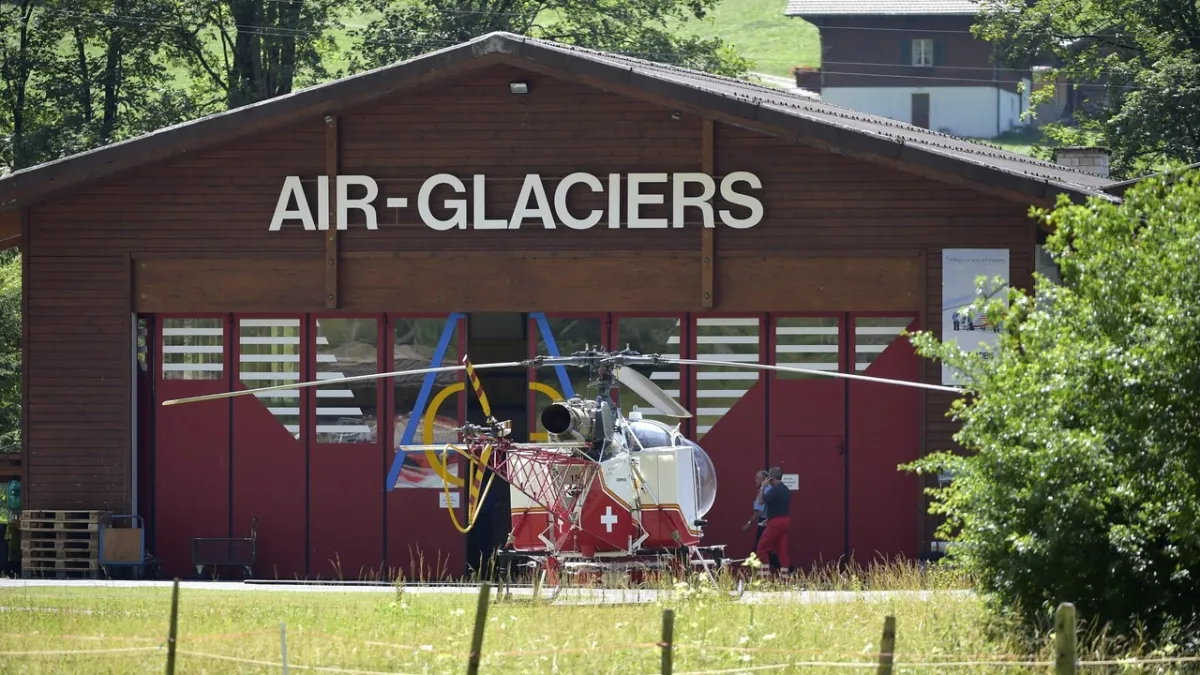
Local search and rescue teams, conducting a routine patrol around the Tsanfleuron Glacier in the Valais region, were the first to encounter the human remains. The bodies, partially frozen and still clad in outdated climbing gear from the 90s, indicated they had been trapped within the ice for an extended period. The glacier's continuous retreat over the past decade was a crucial factor in the revelation of this tragedy.
The alpinists were identified as Marc Wengler (37 years old) and Anne-Marie Dubois (32 years old), both from Brussels. They were known as an experienced adventurous couple with ambitions to conquer several challenging peaks in the Alps. Their expedition in July 1992 along the Mont Blanc de Cheilon route abruptly ended without a trace, triggering a large-scale search operation at the time that yielded no results.
The Wengler and Dubois families, who had lived in uncertainty for decades, now receive this news with a mixture of sadness and relief. We always wondered what happened to them. Although it is a bitter pill to swallow, at least we now know they have passed and can rest in peace, said a close relative, Emmanuelle Wengler, to the media.
Identification of the remains was quickly conducted through DNA testing and comparison with dental records, confirming the identities of both alpinists. In addition to the bodies, rescue teams also found several personal belongings, such as wallets, watches, and a 90s-era camera still containing film. These items are expected to provide further clues about the final moments of their journey.
The phenomenon of glacier melt in the Alps has been a global concern for years. Environmental scientists note the accelerating rate of ice melt due to rising global temperatures. This not only has the potential to uncover past tragedies but also threatens freshwater supplies and unique mountain ecosystems.
Professor Dr. Lena Schmidt, a leading glaciologist from the University of Zurich, explained that such discoveries are expected to become more frequent. Glaciers act like giant time capsules. As they melt, they release whatever has been stored within them, be it ancient artifacts or, as in this case, long-lost accident victims, she elaborated.
Swiss authorities are now striving to raise awareness about the dangers and potential discoveries in mountainous areas affected by glacier melt. Appeals for constant vigilance and reporting anything unusual continue to be directed at hikers and tourists. This discovery also opens discussions on the need for updated safety protocols and search operations in dynamic glacial environments.
The Belgian Alpine Federation expressed its deep condolences for the loss of its members and reminded the entire climbing community of the importance of thorough preparation and awareness of changing natural conditions. They also acknowledged the tireless efforts of the Swiss rescue teams.
The discovery of Marc Wengler and Anne-Marie Dubois' remains is a poignant reminder of nature's power and human fragility in its presence. Their story now becomes part of a larger narrative about the impacts of climate change and how glaciers, slowly but surely, are beginning to unveil the secrets they have held for decades.
Editorial Insight: This case of alpinists' remains being found after decades solidifies the narrative surrounding the tangible impacts of global warming on the planet's geography. Glaciers worldwide are receding at an alarming rate, not only threatening ecosystems and water supplies but also uncovering hidden traces of the past. Moving forward, the global community must prepare for more such discoveries, which will demand coordinated responses encompassing conservation efforts, safety protocols, and support for families affected by mountain tragedies. This serves as a profound call for reflection on humanity's relationship with nature.