 Demian Sahputra
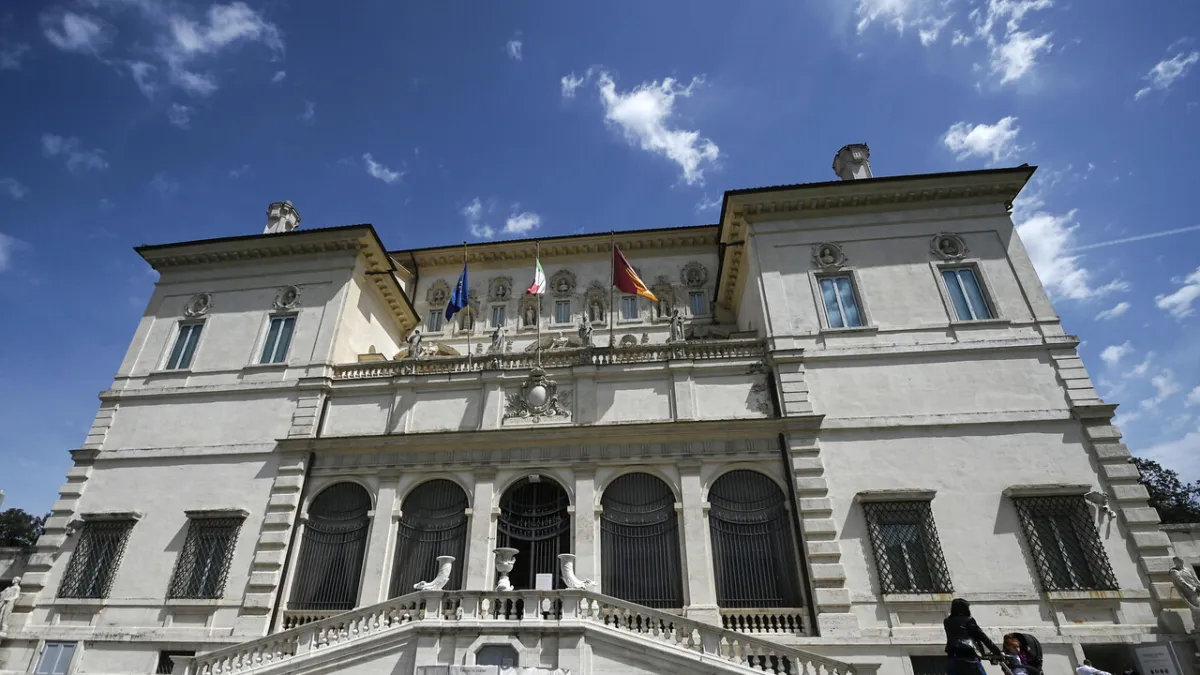
ROME – An ambitious project to expand and modernize the Galleria Borghese, one of Italy's most valuable art and historical gems, enters a crucial phase in 2026. A total of 63 renowned architectural firms from around the world have submitted proposals in a prestigious competition, vying for the opportunity to shape the future of this iconic cultural institution. The evaluation commission is now poised to select the finalists who will proceed with designing a transformative vision for the gallery.
This initiative marks a significant effort by the Italian government to ensure their cultural heritage remains relevant and accessible in the 21st century. Galleria Borghese, famous for its collection of Bernini sculptures and Caravaggio paintings, has long faced capacity and infrastructure challenges to accommodate millions of visitors annually while maintaining optimal conditions for its invaluable artworks.
This international competition has garnered an extraordinary response from the global architectural community, demonstrating the enduring appeal of Rome's cultural sites. The involvement of dozens of top architects from various continents underscores the scale and importance of this project, which is expected to entail substantial investment and require high-level design expertise.
The competition organizers emphasized that the selection process seeks not only architectural innovation but also solutions sensitive to the historical and artistic context of Galleria Borghese. The redesign must harmonize with the magnificent original structure while providing more advanced exhibition spaces, visitor facilities, and conservation areas.
Director-General of Italian Museums, Elena Rossi, expressed her optimism regarding the process. We are looking for designs that are not only visually spectacular but also functional and sustainable, Rossi stated during a press conference in Rome. This expansion is an investment for future generations, ensuring Galleria Borghese remains a beacon of art and global inspiration.
The Galleria Borghese expansion is projected to significantly increase visitor capacity, reduce long queues, and provide a more comfortable environment for enjoying the collections. Additionally, educational and research facilities will be expanded, allowing the museum to deepen its academic and community roles.
Participants are challenged to overcome the complexities of a historic site, including space limitations and stringent conservation requirements. The submitted designs are expected to create a seamless transition between the historical building and modern additions, possibly utilizing cutting-edge technology in materials and construction techniques.
This project also has the potential to create hundreds of jobs, both during the design and construction phases, providing an economic boost to Italy's creative and construction sectors. The presence of major names in the architectural world will also place Rome at the forefront of global cultural design innovation.
The importance of art institutions as centers of inspiration and global dialogue is increasingly recognized. This is similar to efforts seen in prestigious exhibitions worldwide, such as Masterpieces of Collector Gustave Fayet: Sensational Exhibition Shakes Fondation Vuitton Paris which captured the attention of international collectors and art lovers. With this step, Galleria Borghese seeks to reinforce its position as one of the cultural centers of gravity.
The final decision regarding the list of finalists is expected to be announced in the second half of this year, generating excitement among the public and media. The public awaits a new vision that will transform one of Rome's most beloved landmarks without sacrificing its original charm.
Editorial Insight: The Galleria Borghese expansion project is not merely a physical development; it is a strategic statement about how cultural heritage can adapt and evolve in the modern era. The true challenge for the commission is to select a design that can honor a rich past while boldly embracing future needs, ensuring the museum remains relevant and enjoyable for an ever-wider audience without losing its essence. The success of this project will serve as a benchmark for many cultural institutions worldwide facing similar dilemmas.