 Edward DP Situmorang
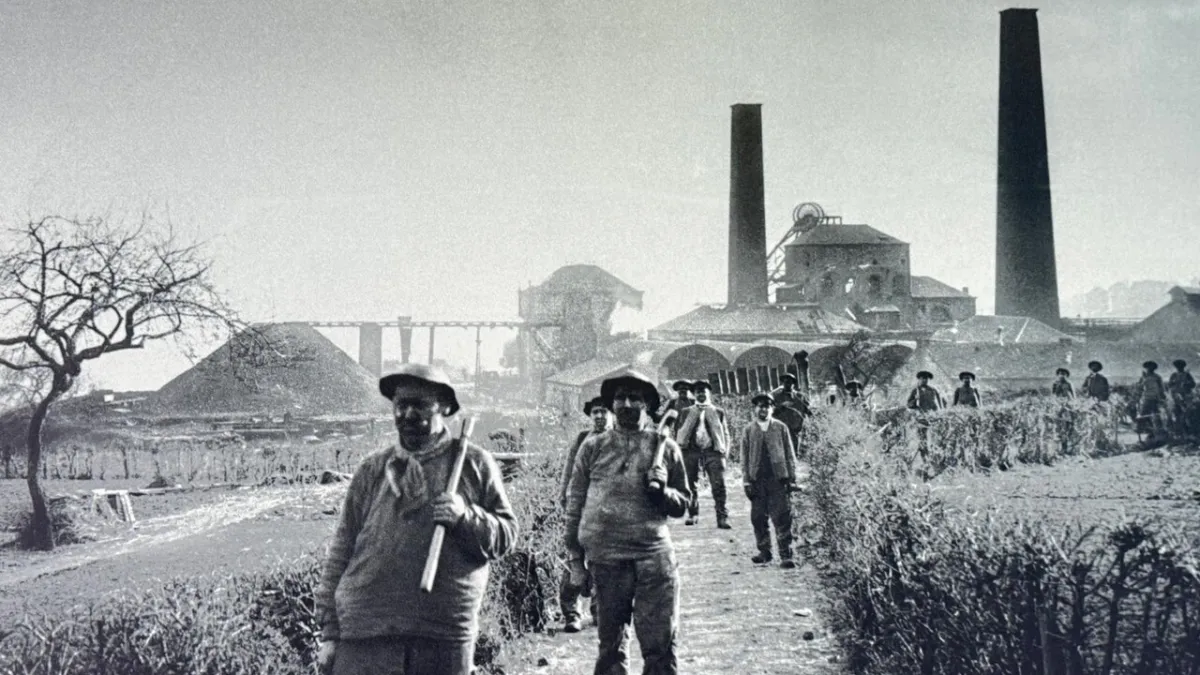
ROME – The Italian government, through the ruling Fratelli d’Italia (FdI) party, solemnly commemorates the 70th anniversary of the Marcinelle Tragedy in 2026, a dark event where hundreds of miners, mostly Italian immigrants, perished in a Belgian coal mine disaster in 1956. This commemoration serves as a pivotal moment to vocalize a strong commitment against all forms of worker exploitation, an issue that remains profoundly relevant today.
On August 8, 1956, a devastating fire at the Bois du Cazier coal mine in Marcinelle, Belgium, claimed 262 lives. Of these, 136 victims were Italian migrant workers who sought livelihoods underground. This tragedy became a symbol of the sacrifice and extreme risks faced by migrant laborers in pursuit of a better life, as well as a grim portrayal of working conditions that often neglected safety.
The Fratelli d’Italia party, which currently leads Italy’s governing coalition, initiated a series of events to honor the victims. Prime Minister Giorgia Meloni, through her party's representatives, affirmed that the government would not tolerate exploitative labor practices. She declared, “There is no room for those who exploit workers,” a statement underscoring the government’s firm stance.
This commemoration is also accompanied by a significant ambition: to establish August 8 as a European Day of Remembrance for victims of workplace tragedies and against exploitation. This initiative aims to raise collective awareness across the continent regarding the importance of workers' rights and humane working conditions. Italy, with its long history of labor migration, feels a moral responsibility to lead this effort.
The issue of worker exploitation is not merely a legacy of the past but an ongoing challenge in various sectors, both in Italy and throughout Europe. Although labor protection laws have evolved, new forms of exploitation, especially against vulnerable and migrant workers, are still frequently encountered. The government is committed to strengthening oversight and law enforcement.
The ongoing migrant crisis across Europe in 2026, as highlighted in issues like “Madrid's Ultimatum Shakes Rome: Europe Divided Over 2026 Migrant Crisis”, also demonstrates the fragility of migrant workers’ positions. Economic and social pressures often make them vulnerable to inadequate working conditions and minimal wages. Therefore, the Italian government’s voice on Marcinelle resonates with contemporary challenges.
Meloni’s government consistently champions the importance of workers' dignity and respect. They argue that economic prosperity should not be achieved at the expense of fundamental individual rights. This commitment is not mere rhetoric but a concrete endeavor through labor policy reforms and enhanced public education.
FdI’s initiative to establish August 8 as a European Day has been positively received by various labor organizations and civil society in Italy. They hope that recognition at the European level will provide new momentum for the struggle for workers' rights across the European Union and prevent the recurrence of similar tragedies.
Worker exploitation not only impacts individuals but also undermines a fair economic order. Unethical practices create unfair competition and hinder sustainable economic growth based on principles of social justice. Therefore, strict law enforcement is crucial.
It is hoped that this momentum from the 70th anniversary of Marcinelle will spark a broader national and European dialogue on worker protection. Italy is determined to be at the forefront of ensuring that every individual, regardless of origin, receives fundamental rights and safe, dignified working conditions.
Editorial Insight: The Italian government’s commemoration of the 70th anniversary of the Marcinelle Tragedy, particularly by FdI, represents a strategic move beyond mere ceremony. It is a reaffirmation of Italy’s identity as a nation that values workers’ contributions, especially migrants, and a proactive effort to shape a more responsible European narrative regarding labor rights. Given the complexities of modern labor markets and migration issues, this initiative holds significant potential to influence labor policy debates across the European Union, ensuring that lessons from a dark history are not forgotten.