 Angela Stefani
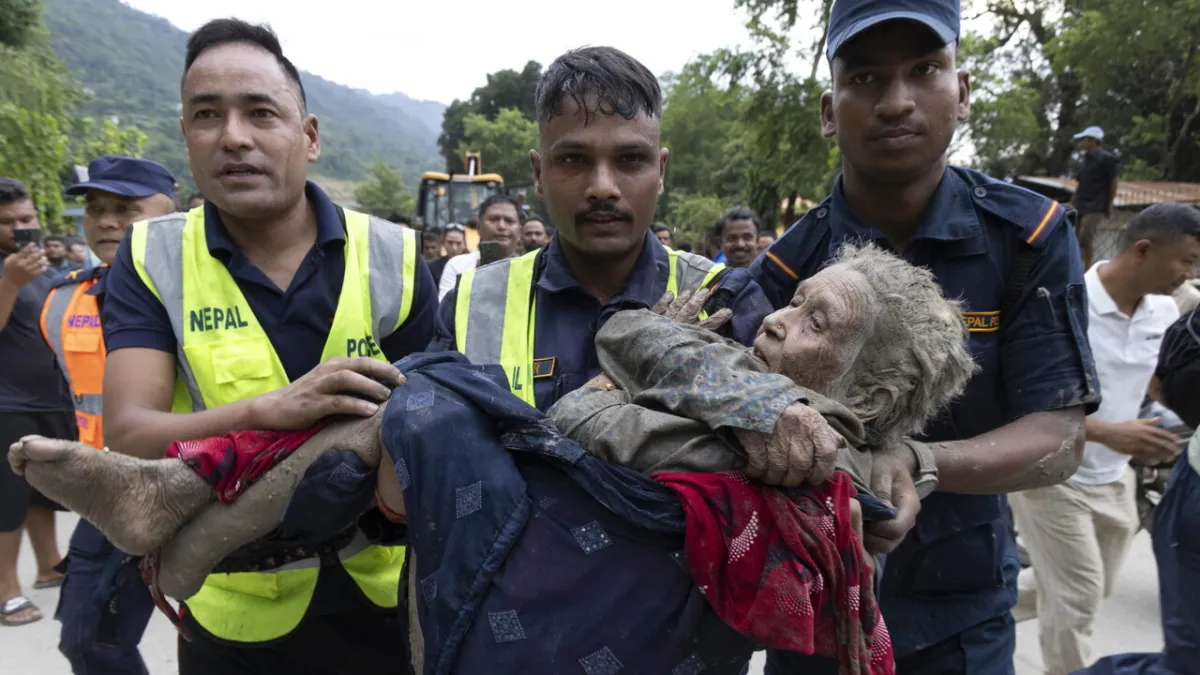
KATHMANDU – Gunakeshari Bohara, a woman over 90 years old, has become a symbol of resilience and hope after being successfully evacuated alive from the mud following a flash flood in the mountainous region of Nepal in early 2026. She is the sole survivor of a nursing home completely devastated by the strong currents, etching a dramatic story that quickly spread and touched many hearts amidst the deep sorrow of the natural disaster.
Photos of Gunakeshari's rescue, showing her covered in mud but with eyes full of life, quickly became an icon of the tragedy. The image reflects humanity's struggle against brutal natural forces, while also serving as a reminder of the vulnerability of elderly communities in disaster zones.
This tragic incident occurred when flash floods accompanied by landslides struck several remote villages at the foot of the Himalaya mountains, following days of extreme rainfall. The disaster has caused severe infrastructure damage and claimed many lives, exacerbating a humanitarian crisis that demands global attention.
The nursing home where Gunakeshari resided, located in a vulnerable area, was hit with immense force by masses of water and mud. The building was almost completely gone, leaving only debris and mounds of earth. Rescue teams, working tirelessly under difficult conditions, were initially pessimistic about finding survivors.
We had almost given up hope. The condition of the nursing home was terrible, said Dinesh Rai, a volunteer from the SAR team involved in the rescue operation. However, we kept searching and suddenly we heard a faint sound. It was Gunakeshari, buried under the debris, but still breathing.
Gunakeshari's evacuation process was dramatic. The SAR team had to carefully dig through mud and rubble, ensuring no further injury to the frail body of the elderly woman. After hours of effort, Gunakeshari was finally pulled out safely, greeted with emotion by officers and local residents who assisted.
This story adds to a long list of heroic tales and resilience amidst the disasters plaguing Nepal. Previously, in 2026, Nepal also faced landslides and floods threatening the Himalayan ecosystem. Furthermore, casualties sharply increased due to a series of hydrometeorological disasters.
The Nepalese government, along with international humanitarian organizations, continues to provide emergency aid, including temporary shelters, food, and medical supplies. However, the extensive scale of destruction and difficult terrain pose significant challenges to aid distribution efforts.
The situation on the ground remains very precarious. We need more support to reach all victims, said a spokesperson for Nepal's Ministry of Disaster Management. Gunakeshari's story gives us spirit, but we must not be complacent about the thousands of others who still need help.
Environmental and climate experts warn that the frequency and intensity of such disasters are likely to continue to increase in the Himalayan region due to climate change. Satellite imagery has even revealed the scale of flood devastation on the Nepal-Tibet border.
Gunakeshari Bohara's story has not only drawn local but also international attention, reminding the world of the urgency of climate change mitigation actions and disaster preparedness, especially for vulnerable populations such as the elderly. The iconic photo of the grandmother serves as a reminder that behind every disaster statistic, there is an individual story of struggle, hope, and sometimes, a miracle.
Editorial Insight: Gunakeshari Bohara's rescue story is more than just news; it is a mirror of human resilience in the face of calamity and a crucial emphasis on the impact of climate change in vulnerable regions like the Himalayas. This event should trigger deeper reflection on early warning systems, disaster-resilient infrastructure, and special attention to vulnerable groups. Without serious intervention, heartbreaking stories like this will continue to repeat, demanding more than just sympathy, but rather concrete and sustainable action from all parties.