 Dodi Irawan
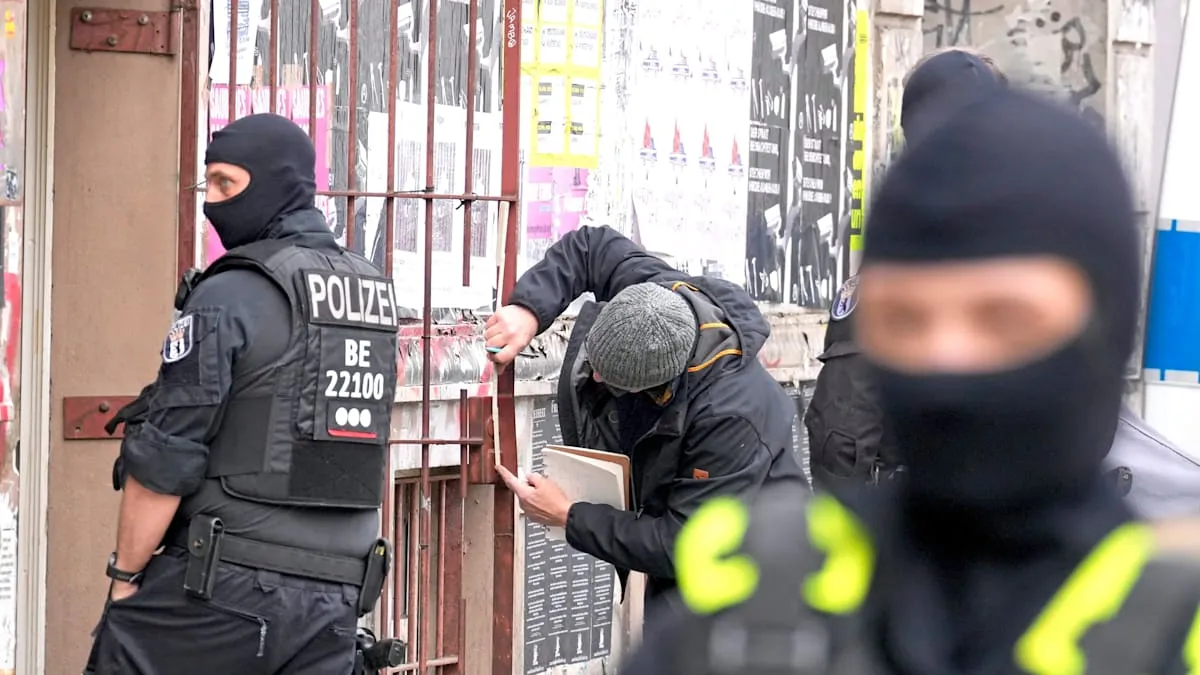
BERLIN — German investigators have identified four suspects from a left-wing extremist group linked to a power supply sabotage act in Berlin. This incident revealed the use of sophisticated technology, deemed comparable to intelligence capabilities, raising serious questions about threats to critical national infrastructure. However, the arrests of these four individuals are delayed due to legal resistance from their lawyers.
Law enforcement agencies in Germany are now thoroughly investigating the power outage incident that paralyzed parts of Berlin. This sabotage, strongly suspected to be orchestrated by left-wing extremist elements, has sparked widespread concern among officials and the public alike. Investigative sources indicate that the technology found at the scene and linked to the suspects is state-of-the-art equipment capable of impressing any intelligence agency.
The discovery of this technology forms the primary focus of the investigation. Philipp Woldin, WELT Political Correspondent, analyzed that the use of such tools demonstrates a high level of organization and meticulous planning, far beyond ordinary acts of vandalism. This indication strengthens the suspicion of strong ideological motives behind the attack on public infrastructure.
Investigators face significant challenges in the arrest process. The four primary targets, strongly believed to be closely associated with this sabotage incident, have had their lawyers aggressively resist the raids proposed by the authorities.
This legal resistance, according to some legal observers, is a common tactic to buy time and prepare a defense strategy. However, it also slows down the pace of the investigation, especially in securing additional evidence that might be with the suspects or on their properties.
The German government, through the Ministry of Interior, has not yet issued an official statement regarding the specific details of the technology discovered. However, leaked information suggests that the devices may involve high-level encrypted communication systems, signal jamming tools, or even equipment specifically designed to disrupt electrical systems without leaving clear traces.
This sabotage incident occurred in 2026, raising critical questions about Germany's readiness to face hybrid threats and attacks on critical infrastructure. Power outages not only disrupt daily civilian activities but also potentially endanger emergency services and vital communication systems.
The event also reignites debates concerning extremism in Germany. While the primary focus often lies on far-right groups, this incident serves as a stark reminder that the threat of left-wing extremism remains real and capable of causing serious damage.
National security observers urge the government to take proactive measures immediately. 'This is not merely an act of vandalism,' stated an unnamed security analyst, 'This is a deliberate attack targeting stability, using highly sophisticated methods.'
Despite the delayed arrests, authorities affirm their commitment to bringing the perpetrators to justice. Public prosecutors are reportedly preparing strong arguments to overcome the resistance from the defense lawyers, ensuring the legal process proceeds unimpeded.
The case is expected to attract significant public and media attention in the coming period, given its broad security and political implications. The investigation continues amidst speculation about the extent of this left-wing extremist network and who else might be more deeply involved.