 Dorry Archiles
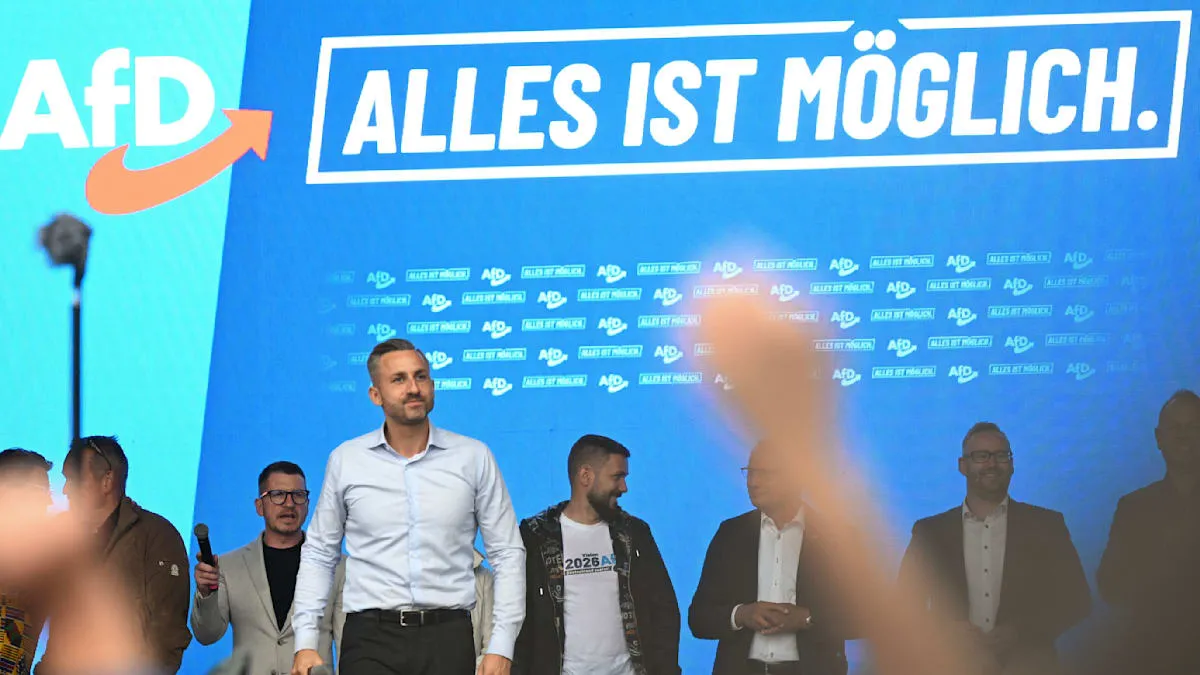
MAGDEBURG – Political tensions are escalating in the state of Saxony-Anhalt ahead of the Landtag election, with the Alternative for Germany (AfD) party leading the polls. This dynamic marks a crucial phase in the German political landscape, simultaneously highlighting a shift in voter preferences in the eastern regions.
AfD, known for its anti-establishment rhetoric and strict immigration policies, has maintained a significant lead in recent surveys. This positions the party strategically to achieve strong results, possibly even leading a coalition government at the state level.
Responding to this momentum, AfD plans a grand closing campaign event. This major agenda will feature the party's federal leadership, indicating the importance of the Saxony-Anhalt election for their national strategy.
Meanwhile, the Christian Democratic Union (CDU), traditionally a dominant force, has opted for a contrasting strategy. They decided not to invite the federal Chancellor or other central party leaders to their main campaign event in Saxony-Anhalt.
This decision has fueled various speculations. WELT-Reporter Gerrit Seebald commented on the situation, stating, 'Sven Schulze (Saxony-Anhalt CDU leader) has not been particularly keen on having the Chancellor in Saxony-Anhalt in the past.' This suggests internal CDU political calculations regarding the appeal and potential electoral burden of national figures.
The absence of direct support from the federal CDU leadership can be interpreted as an effort to focus on local issues and regional candidates, or as an acknowledgment of potentially less positive public sentiment towards the current central government.
The political situation in Saxony-Anhalt is inseparable from broader challenges facing Germany. Issues such as a sluggish economy and migration policies continue to be subjects of public debate. Recent warnings about the German economy, highlighting its reliance on debt, further complicate the atmosphere, creating opportunities for opposition parties.
Shifting support towards the AfD in eastern Germany is not a new phenomenon. This region often serves as a strong support base for parties with platforms criticizing central government policies and emphasizing local identity.
The Saxony-Anhalt Landtag election will serve as an important barometer for national political sentiment. Its results could influence the power dynamics in the Bundestag and the strategies of major parties leading up to the next federal election.
Established parties face a daunting task in responding to AfD's popularity. They must craft narratives capable of convincing voters of the relevance and effectiveness of their policies, especially amid disillusionment with crucial issues.
This situation also raises questions about the future of coalitions and the ability of parties to form stable governments. The possibility of greater political fragmentation will be a major challenge after the votes are counted.
Editorial Insight: The tensions in Saxony-Anhalt reflect the deepening polarization in German politics. An AfD victory would send a strong message to Berlin, urging traditional parties to fundamentally address public concerns, especially in the eastern regions. Without effective communication and policy strategies, the risk of populism will continue to erode the foundations of German democracy.