 Dodi Irawan
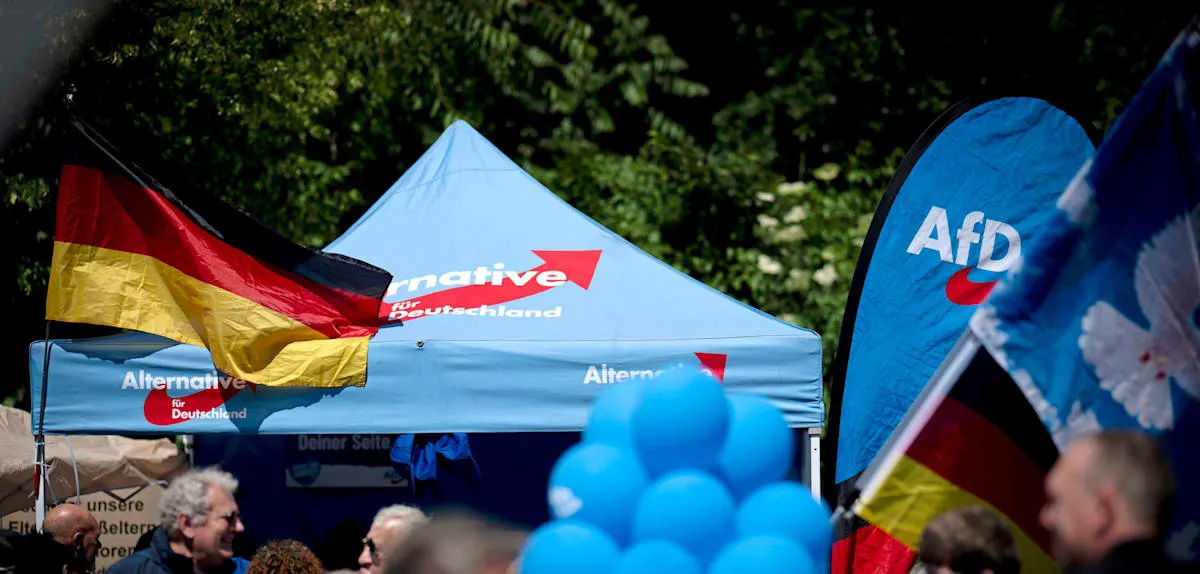
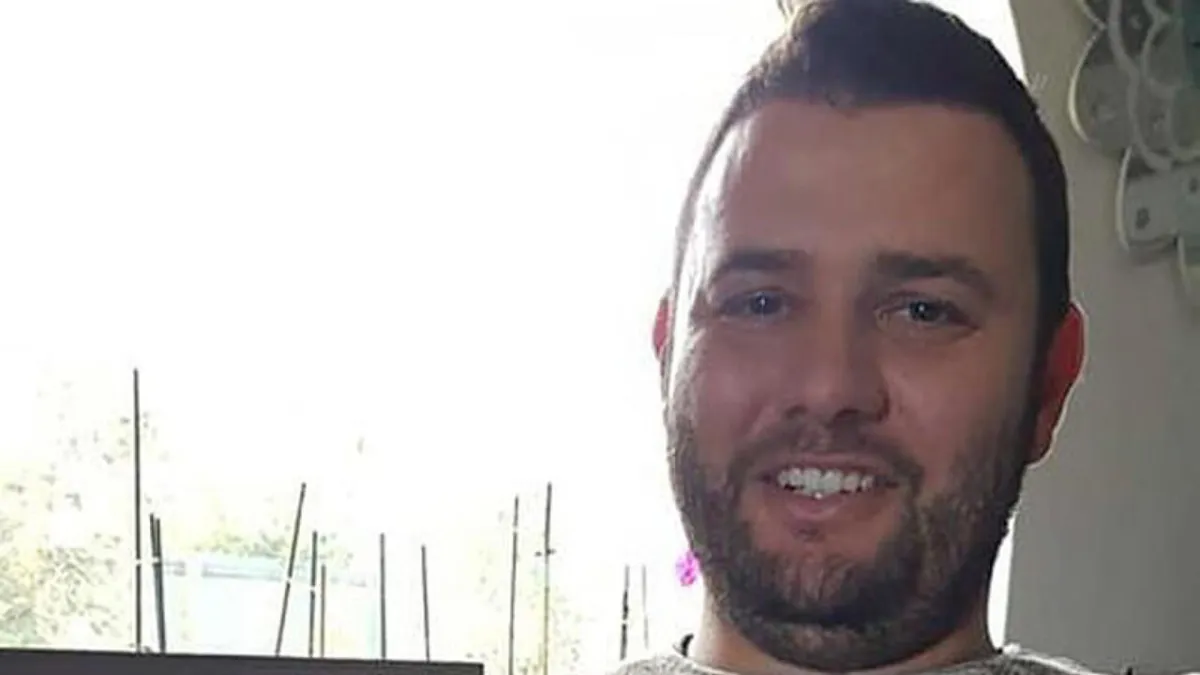
BERLIN — The German political stage is once again rocked by a startling revelation. Kai-Uwe Uebner, a Wernigerode city council member from the Alternative for Germany (AfD) party, has frankly accused his party colleagues of engaging in right-wing extremism and nepotism. His confession on national television channel ZDF has sparked strong reactions, leading to the initiation of his expulsion process from the party.
This disclosure occurred in the second week of May 2026, causing a stir within the AfD's internal circles and the German public. Uebner, known for his outspokenness, did not hesitate to expose his own party's flaws, revealing a fracture in the solidarity within the AfD, which has frequently been mired in controversy recently.
Allegations of right-wing extremism are not new for the AfD. The party has long faced intense scrutiny from security authorities and is often associated with radical groups. However, a direct admission from one of its members in the mass media lends a different weight to these accusations, strengthening public perception of extremist tendencies in certain party factions.
In addition to extremism, the accusations of nepotism made by Uebner are equally serious. This practice, involving the appointment or assignment of positions to relatives or friends without clear meritocracy, can damage the party's integrity and constituent trust. Uebner claims to possess strong evidence to support his allegations.
AfD national Vice-Chair Beatrix von Storch responded swiftly by stating that the party would not tolerate actions that damage its image. "Every member has the right to express an opinion, but there are clear boundaries, especially when it involves open defamation in the media," she remarked during a brief press conference at the party's headquarters. Her statement indicates that Uebner's actions are considered to have overstepped the bounds of internal party ethics.
Uebner's expulsion process from the AfD is expected to take time. Typically, this involves an internal investigation, hearings, and a vote by the party's disciplinary committee. This case has the potential to become an important precedent for how the AfD handles dissenting opinions and internal criticism in the future.
Uebner's revelation directly tests the AfD's commitment to democratic values and transparency. Amidst the party's efforts to normalize its image among voters, incidents like this drag the AfD back into a vortex of controversy and reinforce the narrative that the party is still grappling with fundamental internal issues.
The issue of extremism within the AfD is not new. Previously, the Christian Social Union (CSU) party also considered partially banning the AfD in the state of Thuringia, a step that demonstrated serious concerns about the party's ideological direction. Uebner's confession now adds to a long list of intense scrutiny directed at the AfD. To learn more about German political dynamics, you can read the related article CSU Considers Partial Ban of AfD Thuringia, Firm Stance Against Extremism.
Political analysts predict that this incident could worsen internal divisions within the AfD, particularly between moderate and more radical factions. It also has the potential to affect the party's performance in upcoming local and federal elections, especially as political intensity in Germany tends to increase in 2026.
Professor Klaus Müller, a political expert from the University of Berlin, stated, "Uebner's actions, though controversial, are a reflection of mounting internal pressure within the AfD. This is an alarm call for the party leadership to seriously address fundamental issues that have long been ignored, rather than simply silencing critical voices." This statement underscores the complexity of the challenges facing the AfD.
Furthermore, the reputation of journalism and freedom of expression is also under scrutiny. With an AfD politician revealing party internals in the media, this highlights the crucial role of the press in uncovering truth and maintaining accountability, despite often being targets. Read more about these challenges in the article Journalists Targeted by Political Violence: Germany's Democracy Alarm Rings Loud.
Kai-Uwe Uebner's case is not merely about the expulsion of a member, but a larger internal struggle over the identity and future of the AfD as a political force in Germany. The public now awaits how this controversial party will address the serious allegations made by its own member.