 Demian Sahputra
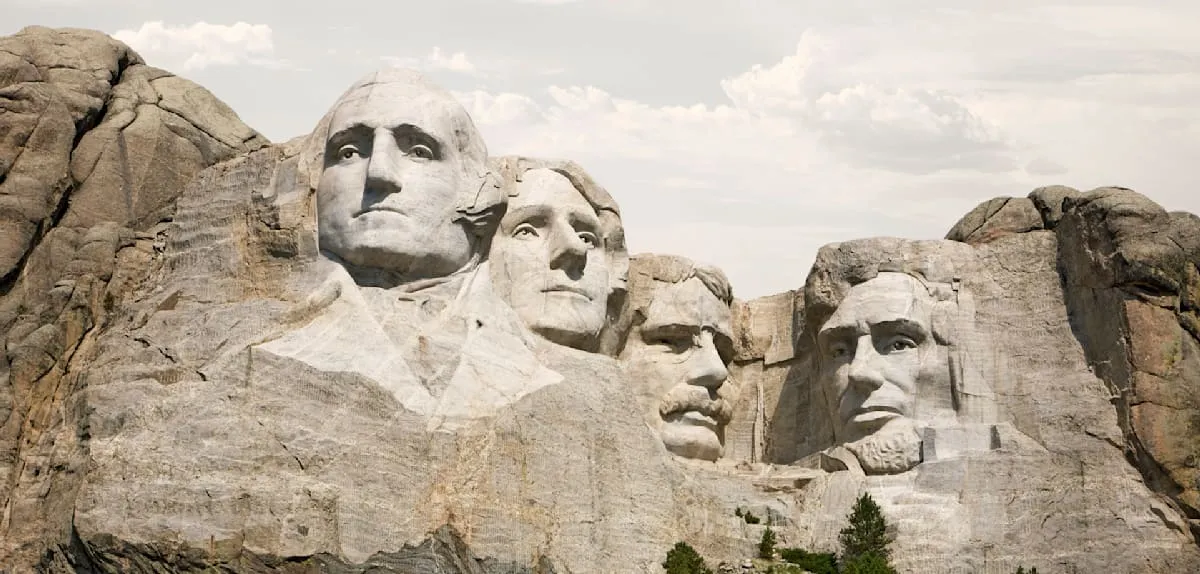
Jakarta — A recent survey among global travelers in early 2026 highlights that the mastery of identifying ten of the world's most famous architectural and natural icons serves as a true marker of an accomplished explorer or 'weltenbummler'. This challenge is not merely a memory test, but a measure of the depth of experience and appreciation for the cultural heritage and geographical wonders that shape the modern travel landscape.
This phenomenon emerges alongside a paradigm shift in tourism, which no longer solely focuses on physical visits but also on a deep understanding of destinations. Anyone claiming to be a true traveler is expected to possess adequate geographical and historical knowledge, transcending a mere checklist of social media visits.
The concept of ‘weltenbummler’, a German term for a world traveler, is increasingly relevant in the context of travel in 2026. It differentiates tourists who merely pass through from those who truly absorb the essence of a place and can recognize global symbols even from partial images or minimal descriptions.
This shift is driven by an abundance of information access and individuals' desire for more authentic and meaningful experiences. They seek to understand the narrative behind each landmark, not just capture selfies in front of it. This creates a new standard for travel enthusiasts.
The criteria for the ten icons mentioned in the survey include historical sites, natural wonders, and modern constructions that have gained global recognition. The identification process requires more than just visual recognition; it also demands an understanding of their cultural context and significance.
Informal education about world geography and history has become an integral part of travel preparation for many individuals in 2026. Online platforms, documentaries, and active travel communities contribute to enriching the spatial literacy of prospective explorers.
The impact of this trend is also felt in the tourism industry. Destinations are beginning to design more educational and interactive experiences, targeting travelers hungry for knowledge and appreciation, rather than fleeting entertainment. This is a progressive step for sustainable tourism.
The digital age also plays a significant role in shaping this trend. With constant visual exposure through social media and video-sharing sites, recognizing world icons has become both easier and more challenging. The real challenge lies in distinguishing popular photos from substantial understanding.
The ten icons may vary depending on perspective, but they generally encompass symbols representing ancient civilizations, innovative architecture, or unique geological formations. They are undeniable markers in humanity's collective imaginative map.
Ultimately, the ability to recognize and appreciate these global icons reflects a higher level of travel literacy. It is an indicator that an individual has transcended the role of an ordinary tourist and embraced the role of an informed and responsible global citizen.
This trend affirms that in 2026, travel is not just about seeing, but about understanding and connecting with the world around us on a broader and deeper scale.