 Chris Robert
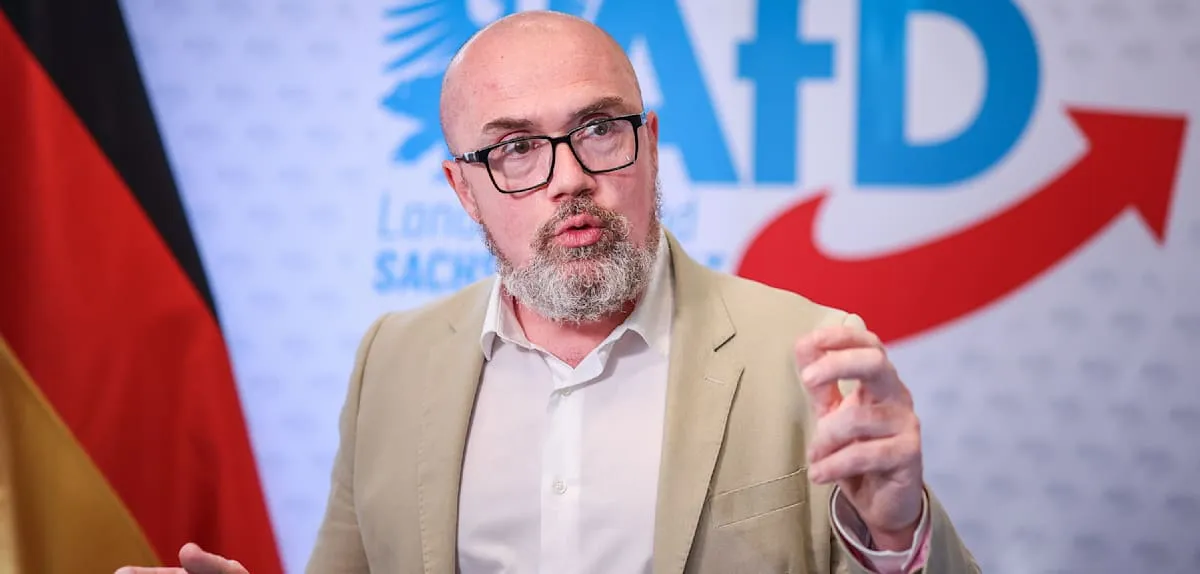
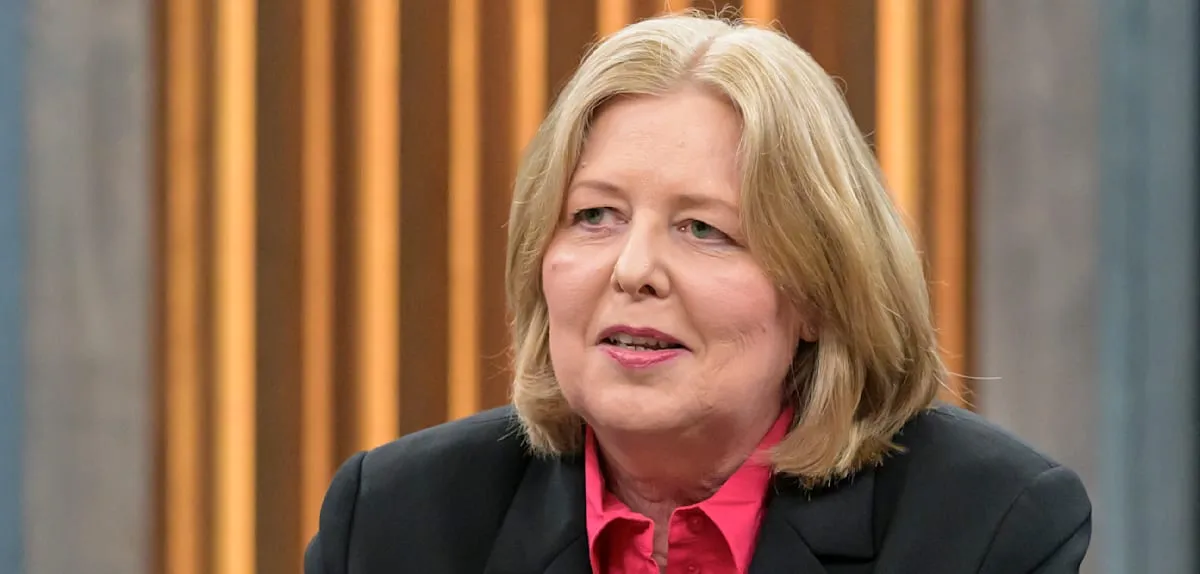
BERLIN – Hans-Thomas Tillschneider, a prominent politician from the Alternative for Germany (AfD) party, surprisingly terminated a podcast interview after 50 minutes. The incident occurred when journalist Melanie Amann posed pointed questions concerning the controversial figure Bjorn Hocke, accusations of far-right terror, and the AfD's commitment to democracy for various associations.
The interview, which began intensely, abruptly halted when Tillschneider felt the questions had crossed a line. With a firm tone, he declared, 'That's it now. One does not talk like that,' before deciding to end the recording session. Melanie Amann, the journalist, attempted to persuade Tillschneider to continue the discussion, but her efforts were unsuccessful.
Questions surrounding Bjorn Hocke, a figure often associated with the AfD's far-right wing and extremist views, consistently present a sensitive issue. Hocke himself has repeatedly been the target of harsh criticism for rhetoric deemed radical and incompatible with Germany's liberal democratic values. The far-right terror accusations raised by Amann further intensified the atmosphere, given the context of increased scrutiny on extremist groups in Germany.
The discussion regarding the AfD's commitment to democracy, particularly concerning associations, also constitutes a crucial area. The party is frequently accused of ambiguity in its stance toward Germany's constitutional order, an accusation that often sparks fierce debate on the national political stage.
This incident is not the first time the Alternative for Germany (AfD) has drawn public scrutiny for controversy. Previously, a CDU politician in Stendal also caused a stir in German politics after it was revealed he funded an AfD rival. Tillschneider's action underscores the challenges the AfD faces in managing its public image and interactions with mainstream media.
Several political analysts in Germany suggest that Tillschneider's decision to stop the podcast could be interpreted as an attempt to avoid difficult questions that could potentially harm the party ahead of several important elections in 2026. This also reflects the ongoing tension between far-right populist parties and media institutions.
In the modern media landscape, transparency and accountability from politicians are fundamental elements. A reluctance to face sensitive questions, especially by abruptly ending an interview, can create negative perceptions among the public and strengthen suspicions of hidden agendas.
Melanie Amann, known for her direct and courageous interviewing style, appears to have touched upon core issues often avoided by AfD politicians. This type of investigative journalism is frequently necessary to elicit a more honest perspective from public leaders.
The AfD itself, as a party that continues to consolidate its position in the German parliament, consistently strives to balance maintaining its voter base, which is often disillusioned with establishment politics, while simultaneously facing pressure to moderate some of the extremist views represented by its members.
How this incident will affect the AfD's image moving forward remains a question. However, one thing is certain: this event once again highlights the polarization in German politics and the crucial role of media in holding power accountable.
Editorial Insight: The incident where AfD politician Hans-Thomas Tillschneider walked out of an interview is more than just a minor occurrence; it reflects a deep-seated tension between far-right populist parties and the media. It also highlights the reluctance of some politicians to confront critical questions relevant to their ideology and actions. Amid increasing political polarization, the ability to engage in constructive dialogue, even with challenging questions, is vital for democratic health. Such incidents risk widening the trust gap between politicians, the media, and the public.