 Dodi Irawan
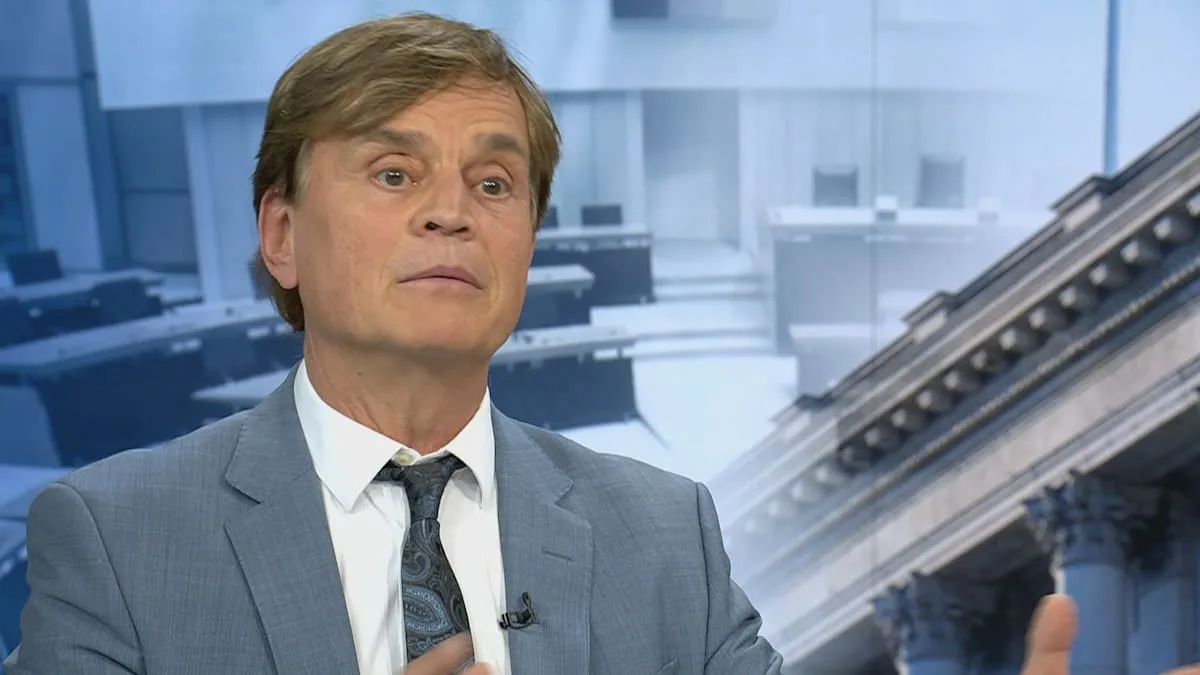
BERLIN – Germany's political landscape is in turmoil after Bernd Baumann, a prominent figure from the Alternative for Germany (AfD), declared his party a central force in the country. This statement comes after a series of significant electoral successes for the AfD, while Baumann also explicitly stated that the Christian Democratic Union (CDU) is facing a serious internal crisis, even like dismantling itself.
Baumann not only highlighted the AfD's dominance in various regions, particularly in the east, but also explicitly demanded constructive political cooperation on concrete agendas. Baumann underlined the instability of the traditional conservative party, stating that the real catastrophe for Germany is the CDU, which is tearing itself apart.
Baumann's claims are not unfounded. Recent regional election results indeed show a trend of strengthening AfD. The far-right party has achieved remarkable successes, even triggering concerns among established parties. This phenomenon is reflected in earlier reports, such as Germany Shaken: AfD Dominates East, Chancellor Merz Calls Result a 'Disaster'!.
The CDU crisis, as described by Baumann, refers to the party's inability to effectively respond to political challenges and maintain internal cohesion. In his view, the CDU's fragmentation creates space for the AfD to further solidify its position as a determinant of national political direction.
Furthermore, Baumann affirmed that the AfD would not change its ideological course or political platform for the sake of cooperation. This statement demonstrates the AfD's high self-confidence in negotiating future political projects, while also challenging other parties to adapt to the new political realities.
The AfD's unwillingness to compromise on their fundamental principles could complicate coalition-building efforts, particularly at the federal and state levels. However, it also reflects the AfD's strategy to maintain a strong ideological identity in front of their voters.
These developments indicate a significant shift in the German political landscape. The traditional dominance of parties such as the CDU and the Social Democratic Party (SPD) is increasingly eroded by the rise of the AfD. Even the SPD has experienced bitter victories hampered by the AfD, as noted in the article SPD's Bitter Victory: Mecklenburg-Vorpommern Euphoria Hampered by AfD Dominance.
Political analysts suggest that this situation will force other parties to re-evaluate their strategies in dealing with the AfD. Whether they will isolate the AfD or seek common ground for governmental stability remains a major question.
This analysis could be a crucial moment for the future of parliamentary democracy in Germany. The demand for cooperation from the AfD, albeit with the condition of not changing course, indicates that they want to be recognized as legitimate players who must be considered in policy formation and the country's direction.
Editorial Insight: Bernd Baumann's statement reflects the escalation of political tensions in Germany. The AfD's boldness in declaring itself a central force and calling for cooperation without compromise demonstrates that they feel electoral legitimacy has given them a strong bargaining position. The CDU's internal crisis, on the other hand, highlights the challenges faced by established parties in confronting waves of populism and changing voter preferences. If mainstream parties fail to find responsive strategies, the AfD's influence in the German political arena is predicted to continue to grow, reshaping the country's political power map in the coming years.