 Gabriella
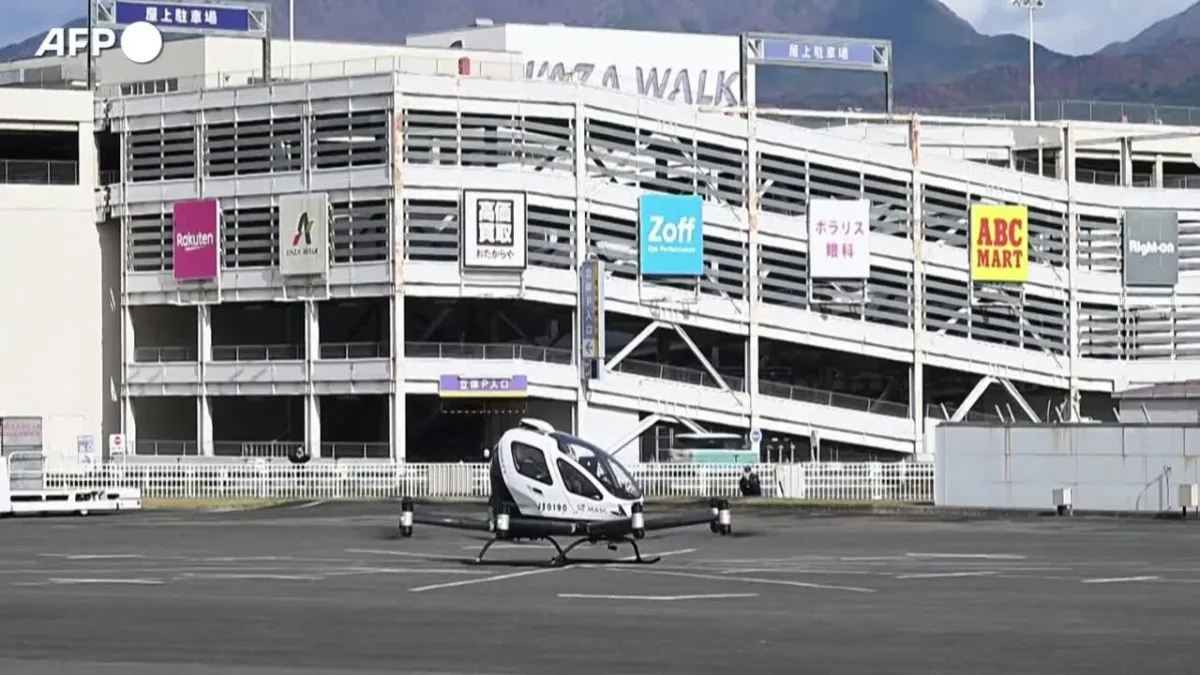
YAMANASHI – Japan has once again etched its name in the annals of future urban mobility. A successful maiden test flight of an autonomous electric air taxi carrying passengers was conducted in Yamanashi Prefecture, heralding a new era of pilotless air transport. This demonstration, which took place in early 2026, showcased the immense potential of electric vertical take-off and landing (eVTOL) vehicles in combating traffic congestion and revolutionizing urban travel.
This innovative step positions Japan as a global leader in the development of advanced air mobility solutions. The success of autonomous passenger flight is not merely a technical achievement but also a validation of the concept that urban skies can become efficient and environmentally friendly transport corridors.
Pilotless aircraft or eVTOL systems rely on advanced artificial intelligence and high-precision navigation technology to operate autonomously. With electric propulsion, these vehicles promise quiet operations and zero carbon emissions, aligning with global sustainability goals. Integrating these systems into the transport ecosystem necessitates robust supporting infrastructure, including vertiports and rapid charging systems.
The Yamanashi trial involved a series of stringent procedures to ensure passenger safety and optimal performance. This demonstrative flight served as concrete proof of autonomous technology's ability to manage complex variables such as weather conditions, flight paths, and potential disruptions. The presence of passengers in this trial was crucial for collecting direct user experience data.
The development of air taxis is not without its challenges. Complex air traffic regulations, cybersecurity concerns, and public acceptance remain significant hurdles. Various civil aviation authorities worldwide are working to establish a comprehensive regulatory framework to safely and efficiently integrate eVTOLs into civilian airspace.
The Japanese government, through its Future Mobility Vision initiative, actively supports research and development in this field. Collaboration between the private sector and research institutions is key to accelerating innovation, with the goal of commercializing air taxis by the end of this decade. Substantial investments are being channeled into building a conducive ecosystem for this cutting-edge technology.
The industry sector foresees massive economic potential from air taxis. Market analysts project that the urban air mobility market could reach trillions of dollars in the next two decades, creating thousands of new jobs in manufacturing, operations, and maintenance. Japan aims to be a key player in this global market.
Air taxis offer an appealing solution for increasingly congested major cities. With the ability to bypass ground traffic, travel times can be drastically reduced, improving urban residents' productivity and quality of life. The vision of traveling between cities in mere minutes is now closer to reality.
Safety remains the utmost priority. Every autonomous system is designed with multiple layers of redundancy and fail-safe protocols to ensure maximum reliability. Certification from international aviation authorities is an absolute prerequisite before commercial services can be launched to the public.
Despite the progress achieved, public education and trust-building remain crucial tasks. Many in the public are still hesitant about the safety of pilotless aircraft. Transparent educational campaigns and continuous safety demonstrations will be essential to win over consumer confidence.
The success of this trial in Yamanashi is not only a significant milestone for Japan but also inspires other nations to accelerate their advanced air mobility development programs. The era where the sky becomes an everyday transport route appears to be on the horizon.
Editorial Insight:
The autonomous air taxi trial in Japan in 2026 represents more than just a technological demonstration; it is a paradigmatic leap in the evolution of transportation. While regulatory, infrastructure, and public acceptance challenges persist, Japan's courage to lead this innovation signals a farsighted vision. Successful implementation of air taxis could fundamentally transform urban landscapes, offering unimaginable efficiencies and opening a new chapter in human connectivity, simultaneously sparking intense competition among global technology and aviation giants.