 Robert Andrison
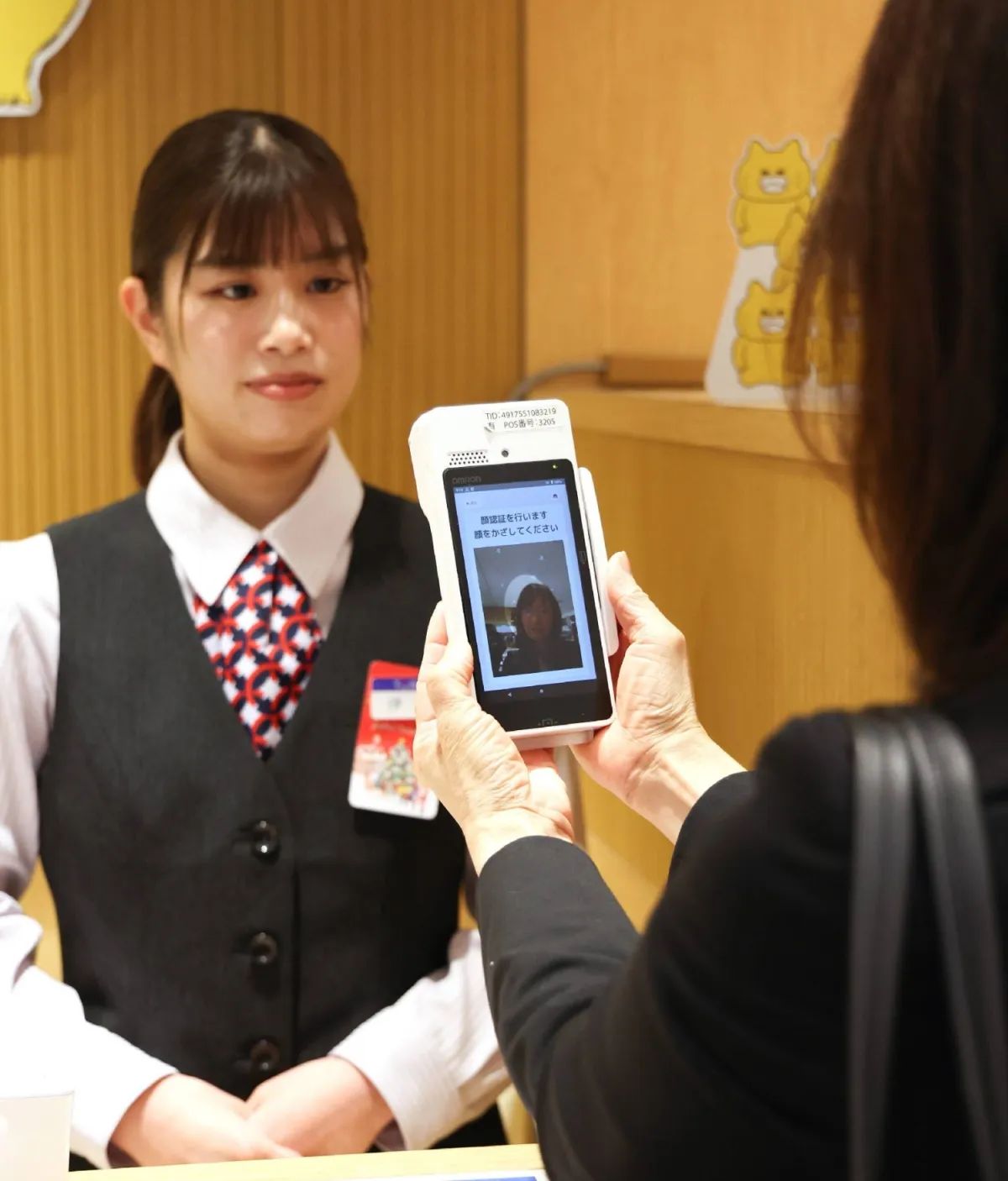
TOKYO – Japan's retail industry once again made history in 2026 with the launch of the first facial recognition payment system at a store in Tokyo. This revolutionary initiative, spearheaded by Tobu Railway in collaboration with technology giant Hitachi, marks a new era of more efficient and secure digital transactions.
The strategic collaboration between Tobu Railway, an entity widely known in the transportation and retail sectors, and Hitachi, a global player in information technology and infrastructure systems, forms the core foundation of this innovative project. This partnership leverages the expertise of both companies to create a payment solution that is not only advanced but also reliable.
This cutting-edge payment system operates through biometric authentication technology. Consumers who have registered their facial data can complete transactions simply by scanning their faces at dedicated terminals, eliminating the need for physical cards or mobile devices.
Speed and convenience are the main draws of this service. Checkout queues are projected to be significantly reduced, allowing customers to complete payments in a matter of seconds. This represents a major leap in the modern shopping experience.
Security aspects are also a top priority. The facial recognition system is claimed to offer a higher level of data protection compared to traditional payment methods. Biometric data is encrypted and processed with strict security standards to prevent misuse.
Japan, known as a pioneer in technological innovation, continues to seek ways to integrate artificial intelligence and biometrics into daily life. This launch underscores the country's commitment to leading the adoption of payment technology globally.
Tobu Railway does not rule out the possibility of expanding the implementation of this service to its network of stores and transportation facilities in the future, paving the way for a broader contactless payment ecosystem across Japan.
While the concept of biometric payment is not new globally, this scale of retail implementation in Japan sets an important precedent. Previously, some companies had explored fingerprint or vein payments, but facial recognition offers unique flexibility.
Of course, questions surrounding data privacy and public acceptance will be crucial in determining long-term success. However, with security assurances from Tobu and Hitachi, consumer trust is expected to build over time.
Similar innovations are seen in Japan's efforts to enhance technology infrastructure, as reported in the article 'Revolusi Chip Jepang: Rapidus Kantongi Insentif Pajak Triliunan di Hokkaido', demonstrating the nation's focus on developing advanced technology ecosystems.
Furthermore, the trend of artificial intelligence and its security is also a global concern, reflected in the news 'Aliansi Raksasa Teknologi Singapore Perkuat Benteng Keamanan Data AI Perbankan 2026', which highlights the importance of data protection in the digital age.
Editorial Insight: This development is not merely about a new payment method but is a strong indicator of a paradigm shift in consumer interaction with technology. If successfully adopted en masse, facial recognition payment will reshape shopping habits and accelerate the pace of digitalization. The potential for operational efficiency for retailers and an enhanced customer experience will be the primary drivers behind the expansion of similar technologies.