 Debby Wijaya
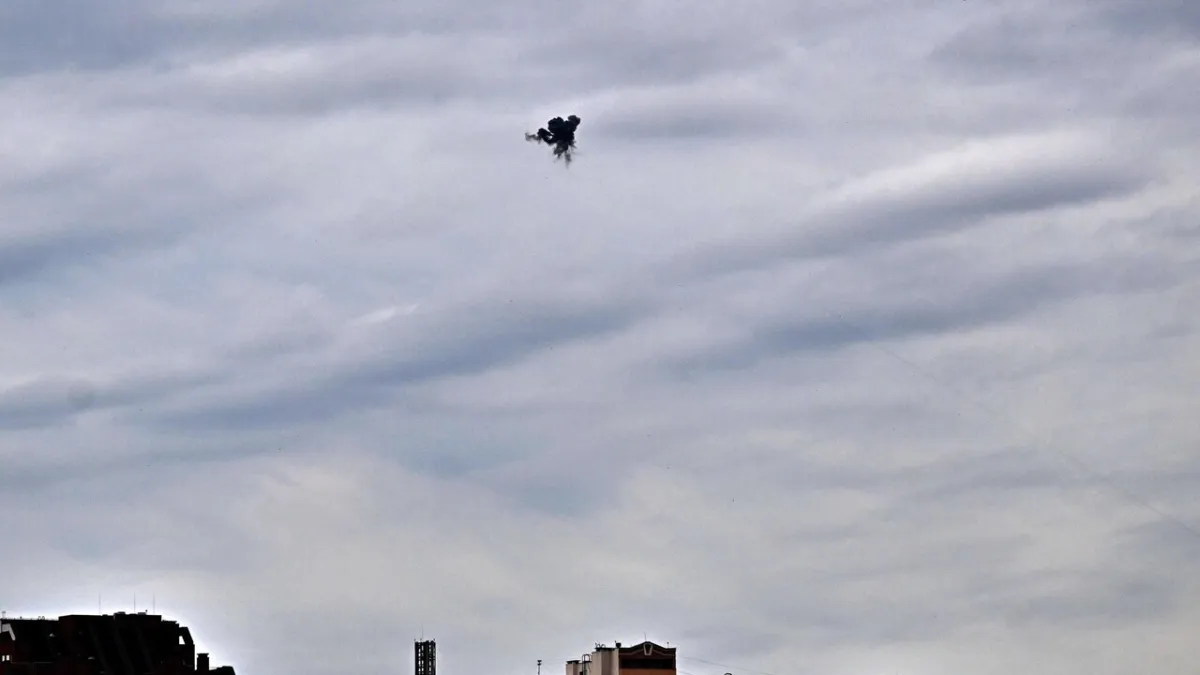
BERLIN – Flight operations at a major German airport were temporarily suspended for 15 minutes this week, following a drone alarm that sparked serious concern. The incident, initially reported by an eyewitness complete with photo evidence, ultimately unveiled a surprising explanation from the police, pointing towards the possibility of another object as the trigger for the disruption.
The disruption, which occurred on Tuesday morning, caused brief delays for several scheduled flights, though it did not lead to widespread cancellations. Airport authorities promptly took preventive action by halting all takeoff and landing activities to ensure safety.
The alarm was triggered by an individual who claimed to have seen a drone hovering in a restricted area around the airport. This testimony was reinforced by several photographs subsequently handed over to law enforcement as initial evidence. The presence of a drone in an airport's airspace constitutes a serious violation that could endanger thousands of lives.
Responding to the report, local police immediately launched a thorough investigation. A specialized team was deployed to analyze the incident site, review CCTV footage, and evaluate the photo evidence obtained from the eyewitness. Airport security protocols were fully activated.
Following a comprehensive analysis of the submitted images, the police began to conclude that the identified object was likely not a drone. "Many indications point to another object," a brief statement from the police spokesperson noted, without elaborating on the specific type of object.
This statement shifted the initial perspective from a clear security threat to a potential case of misidentification. Nevertheless, the swift action to halt operations was still considered a standard and necessary procedure to maintain flight security integrity, given the potential dangers posed by any foreign object in the airspace.
Incidents like this are not isolated globally, highlighting the vulnerability of detection systems and the challenges in distinguishing small flying objects, especially under certain lighting or weather conditions. Increasingly advanced drone technology also adds complexity to airspace surveillance.
Even if the investigation’s findings lean towards a non-drone object, this episode reiterates the urgency of strengthening drone usage regulations and implementing more sophisticated surveillance technology around vital infrastructure such as airports. The German government, in this year 2026, continues its efforts to tighten air security policies.
As has been discussed in several public forums, the threat of illegal drones has become a primary concern for European security authorities. This is relevant to the German government's efforts to tighten security for major events, with drone threats being a key focus for the police.
This airport incident serves as a reminder of the importance of public vigilance and effective coordination between the community and security forces. Every report, no matter how minor, must still be taken seriously to guarantee flight safety.
The airport has now resumed normal operations, and flight schedules are gradually returning to plan. While the incident concluded without fatal consequences, valuable lessons about rapid response and thorough verification have been learned.
Editorial Insight: The drone alarm incident, which led to a 15-minute airport operational halt, reveals the duality of modern air security challenges. On one hand, a rapid response to potential threats is crucial and commendable, demonstrating the authorities' readiness. On the other hand, the investigation's finding that the object was likely not a drone highlights the complexity of identification and the risk of misinterpretation in high-pressure situations. This event underscores the need for more accurate detection technology and robust verification procedures to avoid unnecessary disruptions, while maintaining vigilance against genuine threats from irresponsible drone use.