 Debby Wijaya
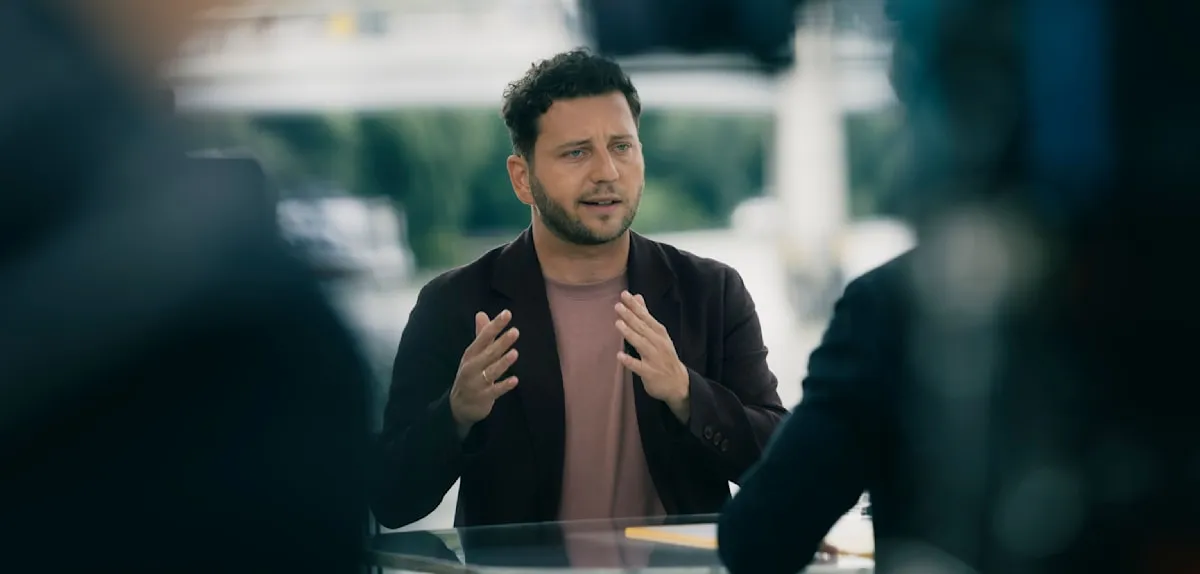
BERLIN – German Green Party leader Felix Banaszak has publicly urged the Christian Democratic Union (CDU) to revoke its incompatibility resolution with The Left (Die Linke) party, simultaneously calling for a focus on the climate agenda. Banaszak made these statements during a summer interview on ZDF television, highlighting his party's struggles in eastern German states and the threat of political fragmentation.
The Green Party's political struggles in eastern Germany form the main backdrop to Banaszak's appeal. The party faces significant challenges in maintaining its relevance and influence in a region with a distinct political landscape, underscoring Banaszak's urgency to seek cross-party solutions.
Reichinnek does not want to rebuild the wall, Banaszak asserted, referring to concerns about deepening political polarization. This wall metaphor implicitly harks back to Germany's past divisions, while also criticizing efforts to politically isolate certain groups.
The CDU's incompatibility resolution with Die Linke is essentially a ban for CDU members from cooperating or forming coalitions with The Left Party. Banaszak views this step as an impediment to constructive dialogue and joint solutions for national challenges.
Furthermore, Banaszak also demanded that the climate issue be reinstated at the top of the national political agenda. According to him, climate change is an urgent crisis that requires consensus and collective action from across the political spectrum, not just from one side.
Political decisions that restrict inter-party cooperation, such as those imposed by the CDU, risk weakening parliamentary democracy. This can hinder the formation of stable governments or prevent agreements on crucial issues that directly impact public welfare.
Through this appeal, Banaszak attempts to position the Green Party as a mediating force striving to bridge ideological differences for the greater good. This strategy is hoped to enhance his party's bargaining power amidst complex political pressures.
Since German reunification, politics in the eastern states have often exhibited unique dynamics, frequently marked by sentiments different from those in the west. Given this history, Banaszak's call not to build a new political wall resonates strongly with the public.
The CDU's response to Banaszak's appeal will be crucial in determining the direction of future political debate. Whether the CDU softens its stance or adheres to its position will affect the landscape of future coalitions, cooperation, and German political stability.
Debates surrounding internal political threats and extremism in Germany are not new. Previously, issues related to the extremist AfD party's threat to German intelligence also sparked intense discussion regarding national political integrity and the future of German democracy.
Editorial Insight: Felix Banaszak's appeal is more than just a political tactic; it is a reflection of deep concern over polarization eroding the foundations of German democracy. Through the wall metaphor, Banaszak highlights the importance of dialogue and compromise in tackling shared challenges, especially the climate crisis. The CDU's rigid stance against Die Linke could backfire, hindering progressive solutions and reinforcing an image of political division that is precisely what should be avoided. The future of German politics, particularly in the eastern regions, will heavily depend on its leaders' capacity to dismantle ideological barriers and prioritize the interests of the people.