 Debby Wijaya
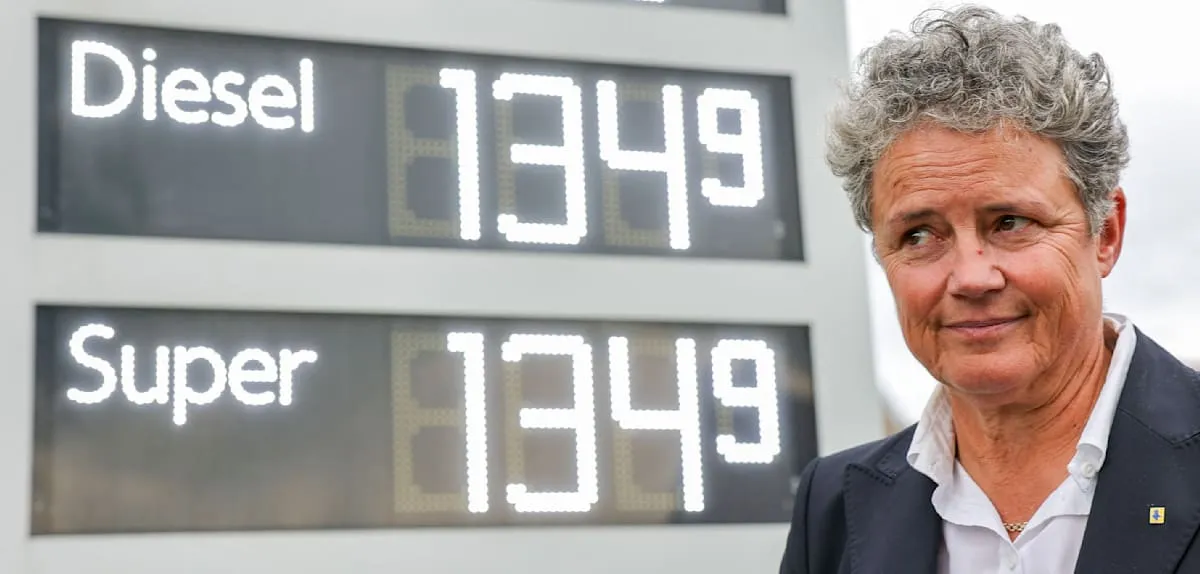
EISLEBEN – Germany's Free Democratic Party (FDP) caused an extraordinary commotion in Eisleben after offering super petrol for only 1.35 euros per liter. This significantly lower-than-market price policy successfully attracted thousands of drivers on an afternoon in 2026, leading to severe traffic jams and forcing local police to intervene to disentangle the gridlocked traffic.
The public enthusiasm that swamped the petrol station reflects a sharp response to the volatile energy prices still plaguing Germany. This rare offer, which meant one euro less per liter than the normal price, became an undeniable magnet for people yearning for relief from the cost of living.
This phenomenon not only highlights the appeal of cheap prices but also implicitly shows the economic pressure felt by many citizens. Within hours, the area around the petrol station became paralyzed, filled with long queues of vehicles, creating a scene rarely witnessed in the small town of Eisleben.
Local police, initially overwhelmed, eventually had to implement an emergency traffic redirection scheme. Officers were stationed at various points to manage the flow of vehicles and prevent more severe incidents, all to maintain public order amid the cheap petrol euphoria.
Political observers view this FDP action as a clever maneuver to capture public attention in the run-up to the Saxony-Anhalt State Election 2026. By highlighting the issue of living costs and fuel prices, the FDP aims to assert its relevance as a party concerned with the economic welfare of the people.
Petrol is a vital component of daily living costs, and its price increases often trigger negative sentiment towards the government. Therefore, the FDP's move can be interpreted as a strong political statement highlighting the prevailing government energy and tax policies.
Several drivers who managed to refuel expressed their gratitude. An Eisleben resident named Jurgen Muller, for example, stated, I have never seen a queue like this for petrol. Saving one euro per liter means a lot to us given the current economic conditions.
On the other hand, some criticized the FDP's action, deeming it to have created chaos and potential danger. It might attract attention, but the impact on traffic and potential safety risks cannot be ignored, said an official from the local transport association.
Regardless of the pros and cons, the incident in Eisleben clearly demonstrates how sensitive the public is to the price of basic commodities. The FDP's cheap petrol campaign successfully garnered attention, both positive and critical, and sparked a national discussion about energy policy and public purchasing power.
The FDP, long known for its liberal economic platform, often advocates for free markets and reduced tax burdens. This action aligns with the party's rhetoric to ease the financial burden on individuals and businesses.
This incident in Eisleben can also be linked to the regional political situation. As previously reported, Saxony-Anhalt itself is on the verge of an economic crisis, with the upcoming election serving as a crucial evaluation for the existing leadership. The FDP's action could be a strategy to gain sympathy in the region.
Editorial Insight: The FDP's action in Eisleben is more than just selling cheap petrol. It is an effective political demonstration, leveraging the cost of living issue to gain public attention and potentially electoral support. While creating temporary disruption, the incident successfully brought energy prices and purchasing power to the forefront of public debate, while also testing local authorities' ability to manage mass crowds triggered by unconventional policies. Its long-term impact on the FDP's image and the political dynamics in Saxony-Anhalt warrants close observation.